The Human Element of Play
Defining Play
What is Play?
Play is any activity we do for its own sake. It’s not about achieving a specific goal or producing a final product. Instead, the reward is the fun of doing it. Think of a sandbox. There's no right or wrong way to use it. You can build, dig, or just run your hands through the sand. The experience itself is the point.
This simple idea has a few key ingredients. True play is always freely chosen. It’s an activity you opt into, not one you're assigned. It's also intrinsically motivated, meaning you do it because it’s enjoyable, not for an external reward like a prize or praise. Finally, play is personally directed. The players create their own rules and goals, which can change at any moment.
When a child turns a cardboard box into a spaceship, they are in charge. They decide where it flies and what adventures it has. That’s the essence of personally directed play.
The Many Forms of Play
Play isn't a single activity; it takes many forms. Each type helps us explore the world and our own abilities in different ways.
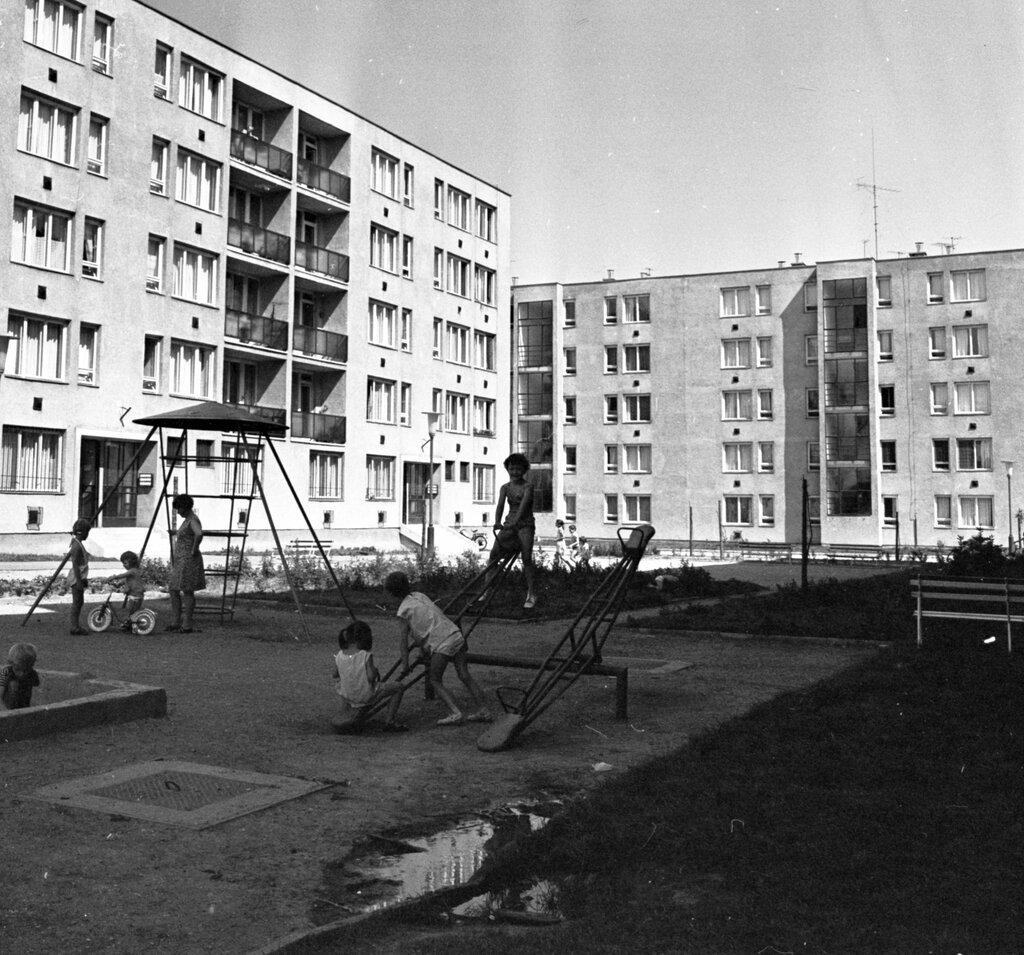
Physical play involves moving the body. Running, jumping, climbing, and tumbling are all examples. This kind of play helps us understand what our bodies can do, testing our strength, balance, and coordination. It’s often loud, energetic, and joyous.
Imaginative play, also known as pretend play, is powered by creativity. It's when we use objects, actions, or ideas to represent other things. A blanket becomes a superhero's cape, and a living room becomes a secret fortress. This type of play is about building new worlds and exploring different roles and scenarios.
Social play is any play that involves more than one person. From board games to team sports, it's how we learn to cooperate, negotiate, and understand social rules. We figure out how to take turns, share, and work toward a common goal, even if that goal is just having fun together.
A Universal Language
While the specific games, toys, and rules might look different from one place to another, play itself is a universal human behavior. Children in every culture invent games, tell stories, and engage in imaginative activities. A game of tag in Tokyo has the same core elements as one in Toronto. The drive to play is a fundamental part of our shared human experience.
Play is the main way that infants learn how to move, communicate, socialize, and understand their surroundings.
This universality shows that play isn't just a frivolous pastime. It's a natural and essential part of how we grow, connect, and make sense of our world.