The Human Circulatory System
Introduction to the Circulatory System
The Body's Delivery Service
Your body is a bustling city with trillions of cells, and each one needs supplies to function. How do they get what they need, like oxygen and nutrients? And how do they get rid of waste? They rely on a sophisticated transport network called the circulatory system.
Think of it as a massive, non-stop delivery service. Its primary job is to move substances around the body, ensuring every cell is nourished and cleansed. This system is made up of three main parts working in perfect harmony.
- The Heart: A powerful muscle that acts as the central pump.
- Blood Vessels: A network of tubes, like highways and side streets, that run throughout the body.
- Blood: The fluid that flows through the vessels, carrying all the essential cargo.
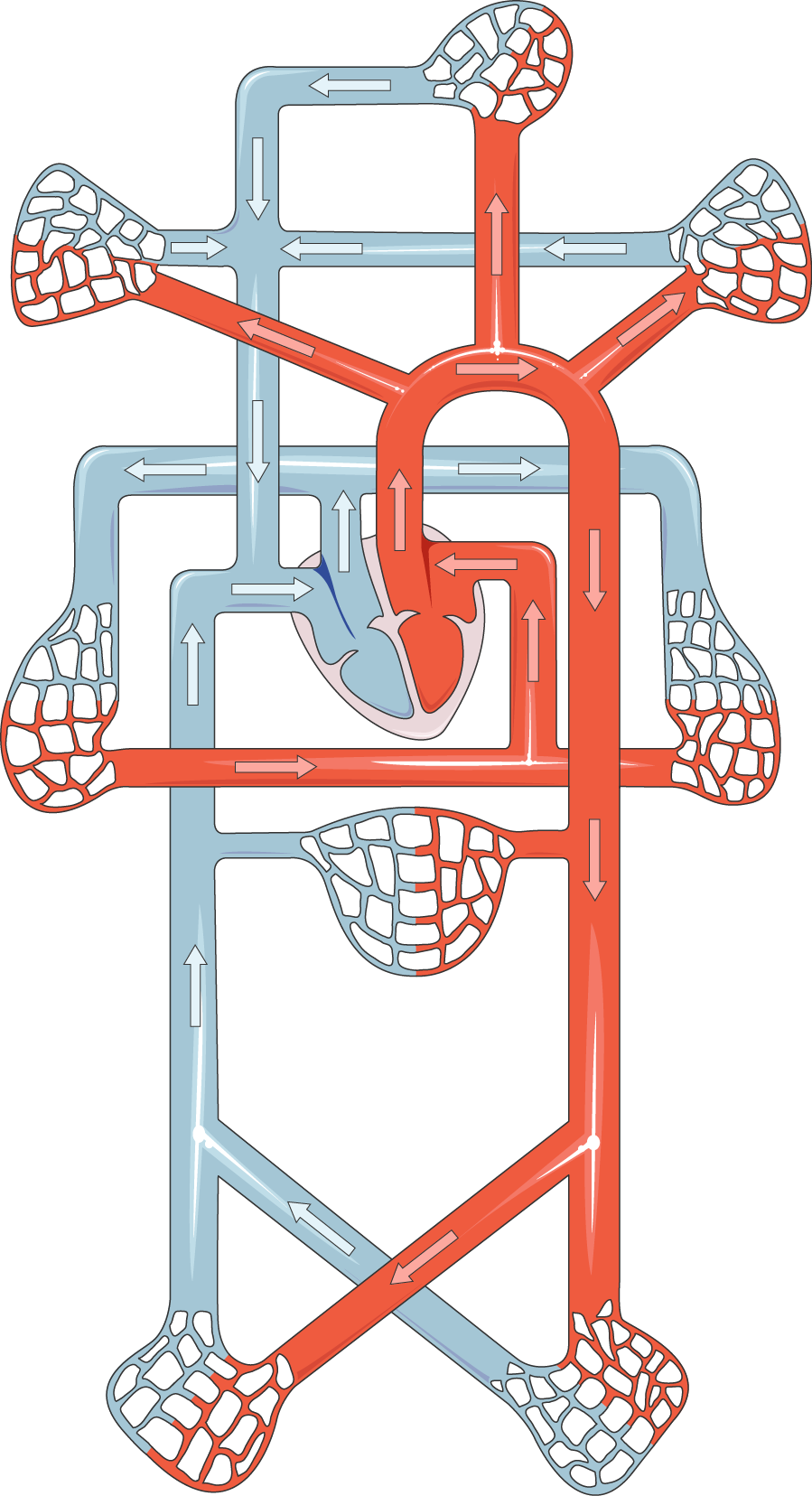
Two Major Circuits
The circulatory system doesn't just send blood out randomly. It operates on two distinct, interconnected routes, or circuits. Each circuit has a specific destination and purpose.
The first is the pulmonary circulation. This is a short loop that runs from the heart to the lungs and back again. Its only job is gas exchange. Blood travels to the lungs to drop off carbon dioxide waste and pick up a fresh supply of oxygen. Think of it as a quick trip to a refueling station.
Once the blood is re-oxygenated, it returns to the heart, ready for the second route: the systemic circulation. This is a much larger loop that transports the oxygen-rich blood from the heart to every other part of the body, from your brain to your toes. Along the way, it delivers oxygen and nutrients, and picks up waste products to be carried away.
Together, these two circuits ensure that every cell in your body gets the continuous supply of oxygen it needs to survive, while efficiently removing the waste that could otherwise be harmful.
What is the primary function of the circulatory system?
The circuit that transports blood from the heart to the lungs for gas exchange and back to the heart is known as the...