The Human Brain Unveiled
Introduction to Brain Anatomy
Your Brain's Three Main Players
The human brain is the most complex organ in the body, acting as the command center for everything we do. At first glance, it might look like one big, wrinkly mass. But it's actually organized into distinct parts, each with a specific job. The three largest and most fundamental structures are the cerebrum, the cerebellum, and the brainstem.
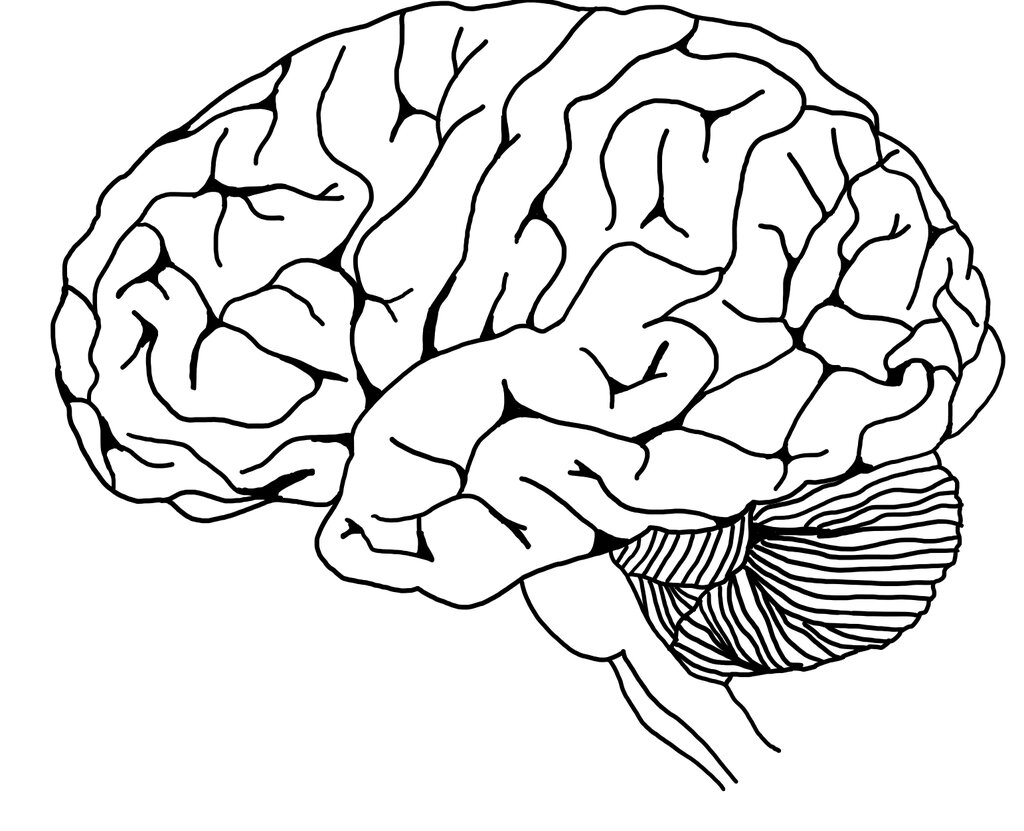
Think of them as a team. The cerebrum is the brilliant strategist, the cerebellum is the skilled athlete, and the brainstem is the tireless life-support system. Each part is essential for the team to function.
The Cerebrum
The cerebrum is the largest part of your brain and what you typically picture when you think of a brain. Its surface is covered in deep folds and wrinkles, which dramatically increase its surface area, allowing more neurons to fit inside your skull. This is where higher-level thinking happens.
The cerebrum is split down the middle into two halves, called the left and right hemispheres. They are connected by a thick bundle of nerves called the corpus callosum, which lets them communicate with each other. The cerebrum is responsible for things you consciously control, like problem-solving, speech, voluntary movements, and processing what you see and hear.
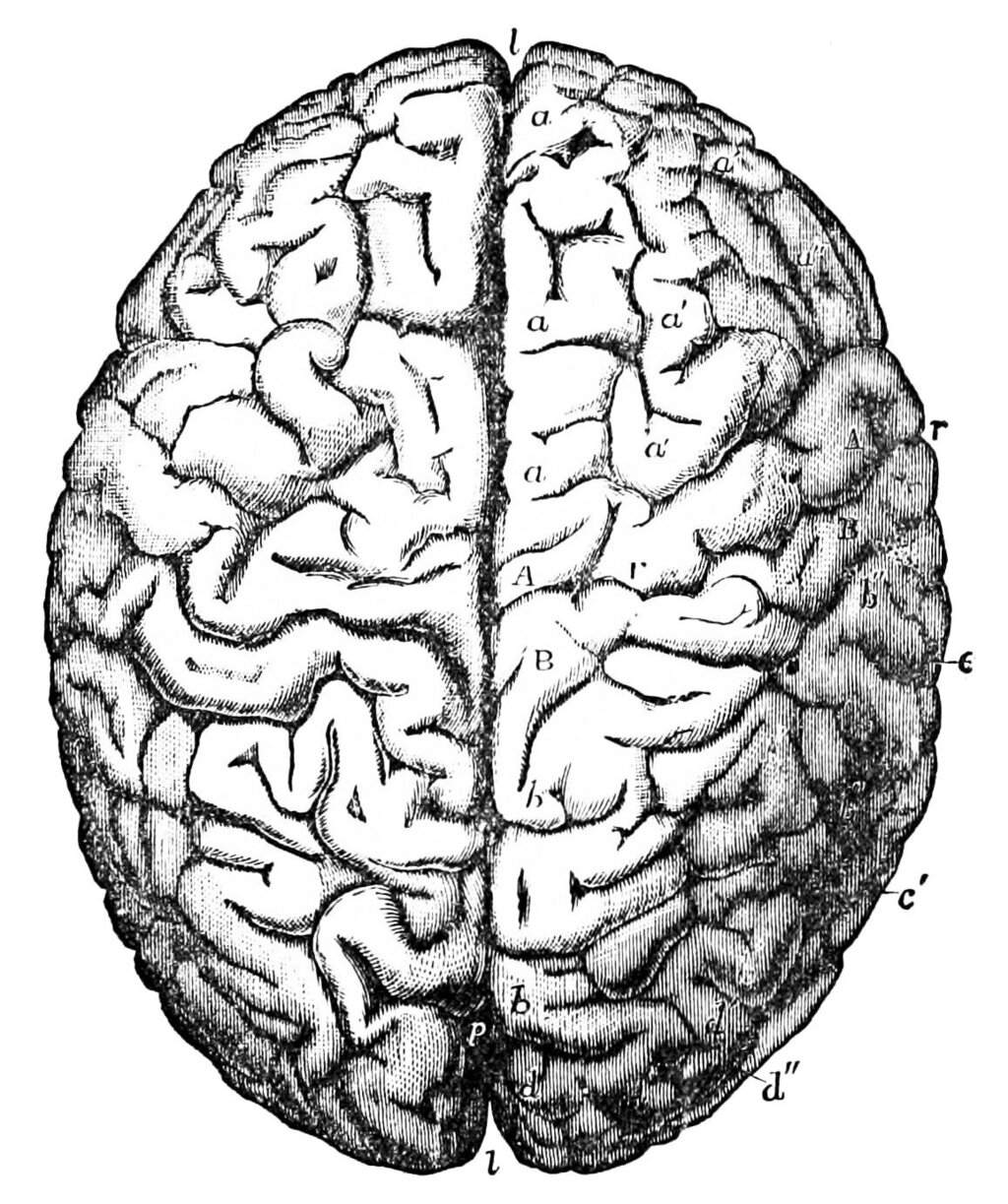
Generally, the right hemisphere controls the muscles on the left side of the body, while the left hemisphere controls the muscles on the right side.
The Cerebellum
Tucked underneath the cerebrum at the back of the head is the cerebellum, which means "little brain" in Latin. While it's much smaller than the cerebrum, it's packed with neurons and plays a huge role in our physical abilities.
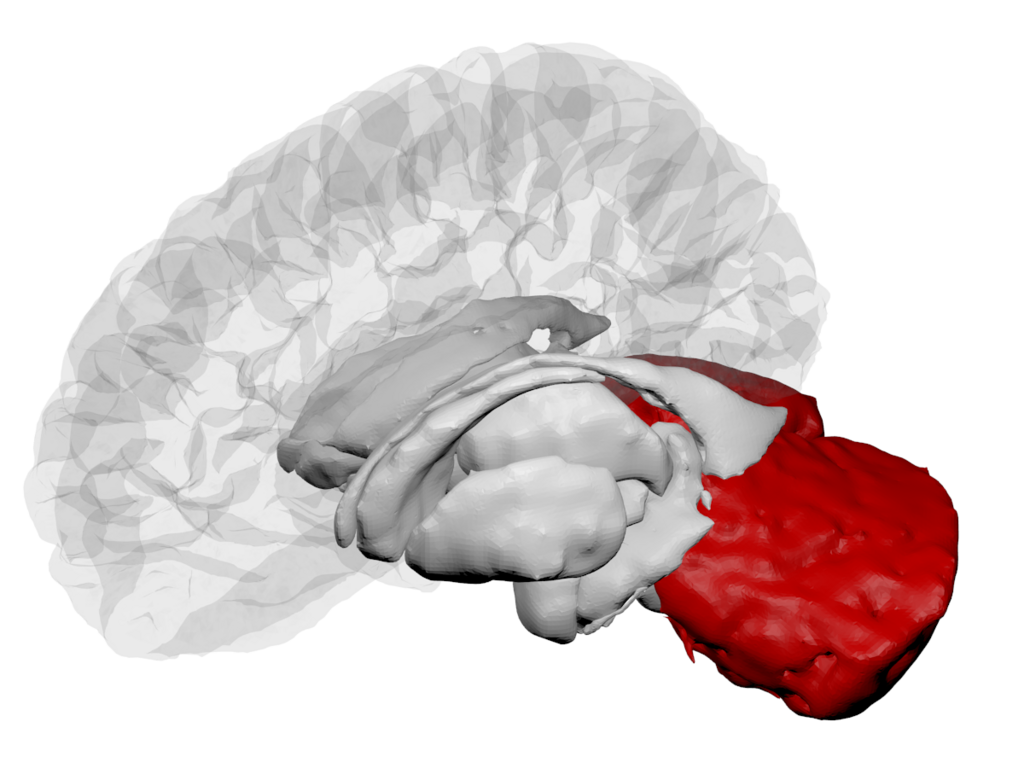
The cerebellum’s main job is to manage balance, posture, and coordination. When you walk, run, or even just stand upright without falling over, you have your cerebellum to thank. It fine-tunes motor commands to make your movements smooth and precise. Think of an acrobat walking a tightrope or a musician playing an instrument—those are activities that rely heavily on a well-functioning cerebellum.
The Brainstem
The brainstem is located at the base of the brain, connecting the cerebrum and cerebellum to the spinal cord. It's the most ancient and basic part of the brain, and it's in charge of all the functions your body needs to stay alive.
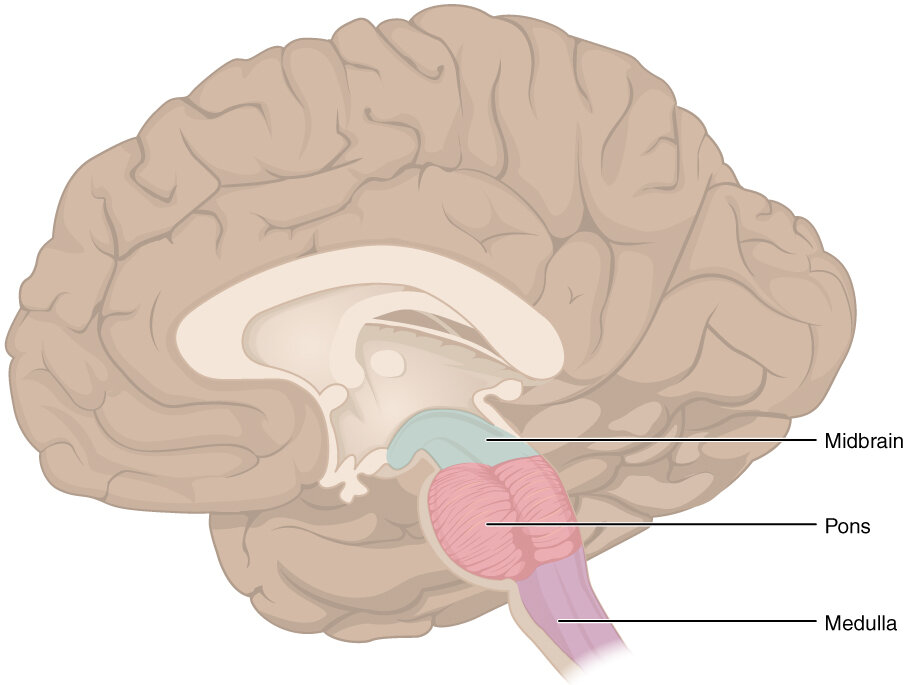
Unlike the cerebrum, the brainstem handles tasks that are completely automatic. You don't have to think about breathing, keeping your heart beating, or digesting food. The brainstem takes care of all of it, working tirelessly in the background whether you're awake or asleep. It's the silent, essential operator that keeps the whole system running.
Time to review what you've learned about the brain's main parts.
Which part of the brain is responsible for essential, automatic functions like breathing and heartbeat?
A gymnast flawlessly executes a complex routine on the balance beam. Which part of her brain is most crucial for maintaining her balance and coordinating these precise movements?
These three structures form the basic architecture of the brain, each contributing to the incredible capabilities of our nervous system.