The Human Body Explained
Introduction to Human Body Systems
Your Body's Symphony
Think of your body as an orchestra. Each musician has a unique instrument and a specific part to play. If they all play their parts correctly and in sync, they create beautiful music. If one is out of tune or off-beat, the whole performance suffers. Your body is similar, composed of different systems that must work together perfectly.
The ultimate goal of this coordination is to maintain a stable, balanced internal environment. This crucial state of balance is called homeostasis.
Homeostasis
noun
The ability of the body to maintain a stable internal environment despite changes in external conditions.
Every system, from your bones to your brain, plays a role in maintaining this equilibrium. Let's meet the key players.
Meet the Systems
There are eleven major organ systems in the human body. Each has a primary job, but none of them work in isolation.
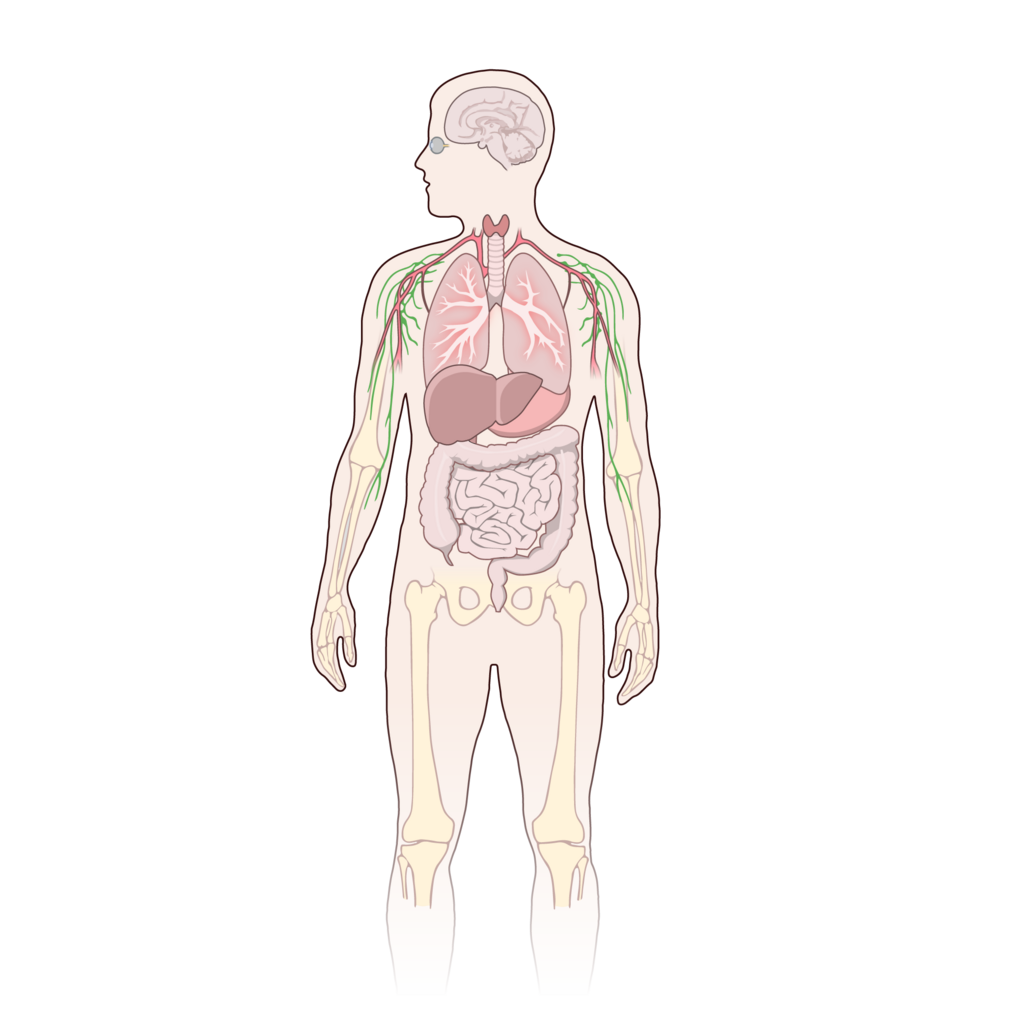
Here's a quick rundown of what each system does.
| System | Primary Function |
|---|---|
| Skeletal | Provides structure, protection, and creates blood cells. |
| Muscular | Enables movement and helps circulate blood. |
| Nervous | Transmits nerve impulses between parts of the body; the control center. |
| Endocrine | Produces hormones that regulate metabolism, growth, and other functions. |
| Cardiovascular | Pumps blood to transport oxygen, nutrients, and hormones. |
| Lymphatic | Part of the immune system; fights infection and returns fluid to the blood. |
| Respiratory | Takes in oxygen and removes carbon dioxide. |
| Digestive | Breaks down food into nutrients the body can absorb. |
| Urinary | Filters blood and removes waste products from the body. |
| Reproductive | Allows humans to reproduce. |
A Coordinated Effort
The real magic happens when these systems collaborate. Imagine you decide to go for a run. This simple action requires a complex, coordinated effort.
Your nervous system sends signals from your brain to your muscular system, telling your leg muscles to contract and relax. Your muscles pull on your skeletal system, creating movement. As you run faster, your muscles need more oxygen.
To meet this demand, your respiratory system kicks into high gear, making you breathe faster. Your cardiovascular system responds by having your heart pump more oxygen-rich blood to the working muscles.
Meanwhile, your endocrine system releases hormones like adrenaline to boost your heart rate and energy levels. As your body heats up, your skin's sweat glands—part of the integumentary (skin) system—produce sweat to cool you down, a perfect example of homeostasis in action. All of this happens automatically, without you even thinking about it.
This seamless integration is happening inside you all the time, whether you're running a marathon or just reading this article. Understanding how these systems work together is the first step to appreciating the incredible complexity of the human body.
Ready to test your knowledge on the body's major systems?
What is the biological term for the body's ability to maintain a stable, balanced internal environment?
During a run, your nervous system signals your muscles to contract. Which system provides the structural framework that your muscles pull on to create movement?