The House of Anjou
Origins of the House of Anjou
The First Angevins
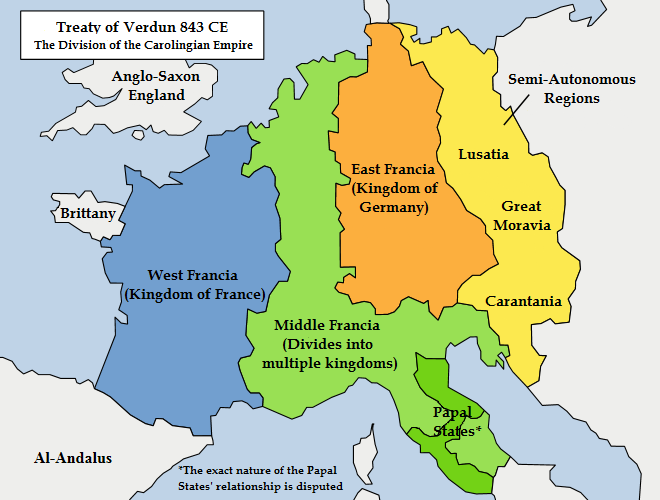
In the chaotic landscape of late 9th-century West Francia, local strongmen were the key to holding the kingdom together. The Carolingian kings, struggling against Viking raids and rebellious nobles, often delegated regional defense to capable warriors. One such man was Ingelger.
The historical record on Ingelger is thin, pieced together from later accounts. Tradition holds that through his mother, he was related to powerful figures at court. His service to the king, likely Charles the Bald or his successor Louis the Stammerer, earned him a critical appointment: Viscount of Angers. This city, strategically located on the Loire River, was a vital defensive post against both Viking and Breton incursions.
This appointment was the seed from which a dynasty would grow. Ingelger wasn't a count, but his control over Angers and the surrounding lands gave his family a territorial base. He solidified his standing by marrying Adelais of Amboise, an heiress from a prominent local family. This union secured his family’s position within the regional nobility.
From Viscount to Count
Ingelger's son, Fulk, inherited his father's ambition and military skill. Known as Fulk the Red, likely for his hair color, he was the one who truly established the family's power. Around the year 930, he took a crucial step: he began styling himself Count of Anjou. This was more than a name change; it was a declaration of hereditary rule over a defined territory.
By claiming the title of Count, Fulk I transformed his family's appointed position into a personal, inheritable domain.
Fulk spent his long rule fighting to make that claim a reality. He battled the Vikings who sailed up the Loire and clashed with his powerful neighbors, the counts of Blois and the dukes of Brittany and Normandy. Through strategic warfare and a politically savvy marriage to Roscille de Loches, who brought the valuable fortress of Loches into his control, Fulk expanded his territory and secured Anjou's borders.
A Time of Consolidation
The next ruler, Fulk II, was a different sort of man than his father. Nicknamed Fulk the Good, he preferred diplomacy to war. His reign was less about aggressive expansion and more about strengthening the county from within. He fostered learning, supported monasteries, and focused on building alliances rather than conquering enemies.
Fulk the Good's most significant contribution was securing his family's legitimacy. He maintained good relations with the French kings and ensured his neighbors recognized his authority. While his father had carved out a territory with the sword, Fulk II made sure it would last by building a stable administration and a network of powerful friends. This foundation of military strength and diplomatic shrewdness allowed the House of Anjou to become one of the most powerful families in France.
Now, let's test your knowledge of how this powerful dynasty began.
What was the initial title granted to Ingelger that established his family's foothold in the region?
What was the most significant contribution of Fulk I, known as Fulk the Red?
From a royal appointment to an established county, the first three generations of the House of Anjou laid the groundwork for their descendants to play a major role on the European stage.