The History of the Round Table
Founding of Round Table
The Young Man's Idea
In the 1920s, a young caterer named Louis Marchesi was a member of the Rotary Club in Norwich, England. He enjoyed the fellowship but noticed a problem. As one of the youngest members, he often felt that the older, more established businessmen dominated the club. Their perspectives were valuable, but there wasn't much room for the ideas and energy of the younger generation.
Marchesi envisioned a different kind of club. He wanted a space specifically for young professional men to meet, share ideas, and support each other. He believed that if these men could connect, they could not only advance their own careers but also work together to serve their community.
This wasn't just about business networking. Marchesi was driven by a desire for service and fellowship among peers. He saw a gap: a place where men under 40 could develop their skills and make a tangible difference. His idea was simple but powerful: create a club that would adopt, adapt, and improve.
Laying the Foundation
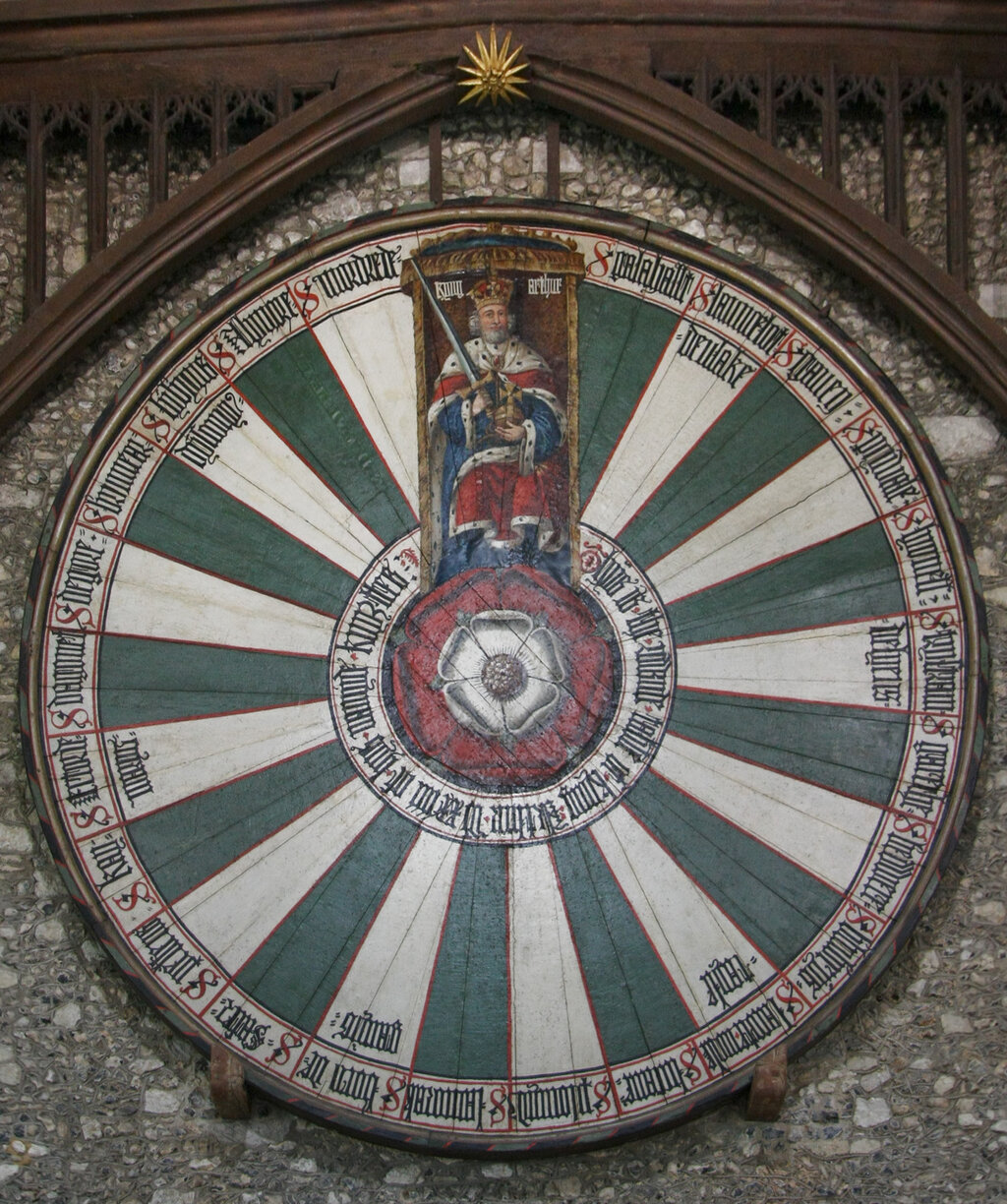
On March 14, 1927, Marchesi's idea became a reality. He gathered a group of about 85 young men at Suckling House in Norwich for the first official meeting. It was here that the "Round Table" was formally established. The name was inspired by the Arthurian legend, where King Arthur's knights sat at a round table to ensure everyone had an equal voice.
The motto they adopted was "Adopt, Adapt, Improve." This captured the forward-thinking spirit of the new organization.
From the very beginning, Marchesi set clear ground rules for the club. He wanted to avoid the pitfalls of other organizations and keep the focus tight. The initial objectives were straightforward:
| Objective | Description |
|---|---|
| Professional Development | To develop the fellowship of young professional and businessmen. |
| Community Service | To stimulate service and civic-mindedness among its members. |
| International Understanding | To promote cooperation and peace between nations. |
A Neutral Ground
One of the most crucial principles Marchesi established was that the Round Table must be non-political and non-sectarian. He understood that arguments over politics or religion could easily divide members and distract from the club's main purpose. He wanted the organization to be a place of unity, where members from all backgrounds could come together for a common cause.
Sectarian
adjective
Relating to or characteristic of a sect; narrowly confined or devoted to a particular sect.
This neutral stance allowed the focus to remain on service and personal growth. It meant that membership was open to any young man of good character, regardless of his political affiliations or religious beliefs. This inclusive foundation was key to its appeal and set the stage for its future growth.
Let's check your understanding of these founding principles.
What was the primary motivation for Louis Marchesi to establish the Round Table?
The name "Round Table" was chosen to symbolize the principle of __________ among its members.
The initial structure in Norwich laid a solid groundwork, creating a model that was both appealing and easy to replicate.