The History of the Netherlands
Prehistoric and Ancient Netherlands
Before the Dikes
Long before the canals of Amsterdam were dug or windmills dotted the landscape, the low-lying region of the Netherlands was a wild, marshy delta. The earliest evidence of human relatives here dates back a staggering 250,000 years. These were nomadic hunter-gatherers who followed herds of mammoths and reindeer, leaving behind little more than flint tools and temporary encampments.
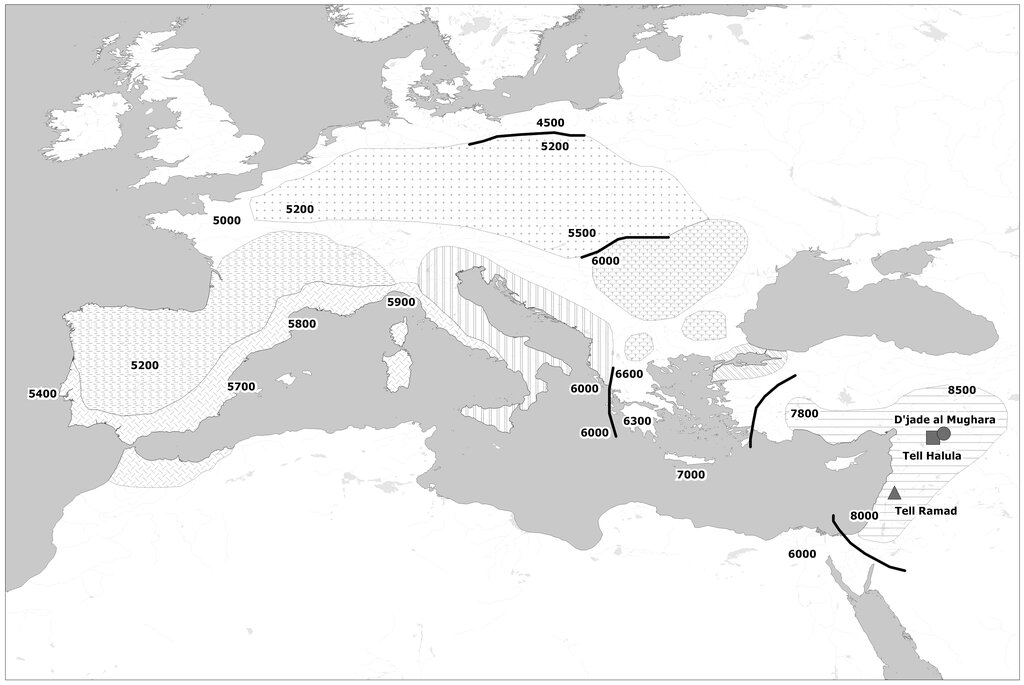
Around 5000 BC, a major shift occurred. The first farmers, part of the Linear Pottery culture, arrived from Central Europe, bringing with them agriculture and animal husbandry. They settled on the fertile loess soil in the south of modern-day Limburg. For the first time, people began to live in permanent settlements.
Further north, another distinct culture emerged: the Funnelbeaker people, named after their characteristic pottery. They are best known for constructing massive stone tombs called hunebedden (dolmens) around 3000 BC. These monuments, built with boulders weighing up to 20 tons, served as communal graves and are the oldest surviving structures in the Netherlands. They point to a complex society with organized labor and shared beliefs about the afterlife.
The Bronze Age brought new technologies and expanded trade networks, connecting the region with communities across Europe. The subsequent Iron Age saw the arrival of Celtic and Germanic tribes, who settled in farmsteads and small villages, their lives dictated by the rhythm of the seasons and the constant threat of flooding.
The Roman Frontier
In the 1st century BC, the arrival of Julius Caesar's legions changed everything. The Romans conquered the southern part of the region, establishing the Rhine River as the northernmost frontier of their vast empire. This border, known as the Limes Germanicus, was a heavily fortified line of forts, watchtowers, and roads.
Life south of the Rhine became increasingly Romanized. The Romans founded the first cities, such as Ulpia Noviomagus Batavorum (modern Nijmegen), the oldest city in the Netherlands. They built impressive infrastructure, including roads, bridges, and canals, to move troops and goods efficiently. Local tribes, like the Batavi and the Cananefates, were integrated into the empire. Many Batavian men served as elite soldiers in the Roman army, renowned for their courage and horsemanship.
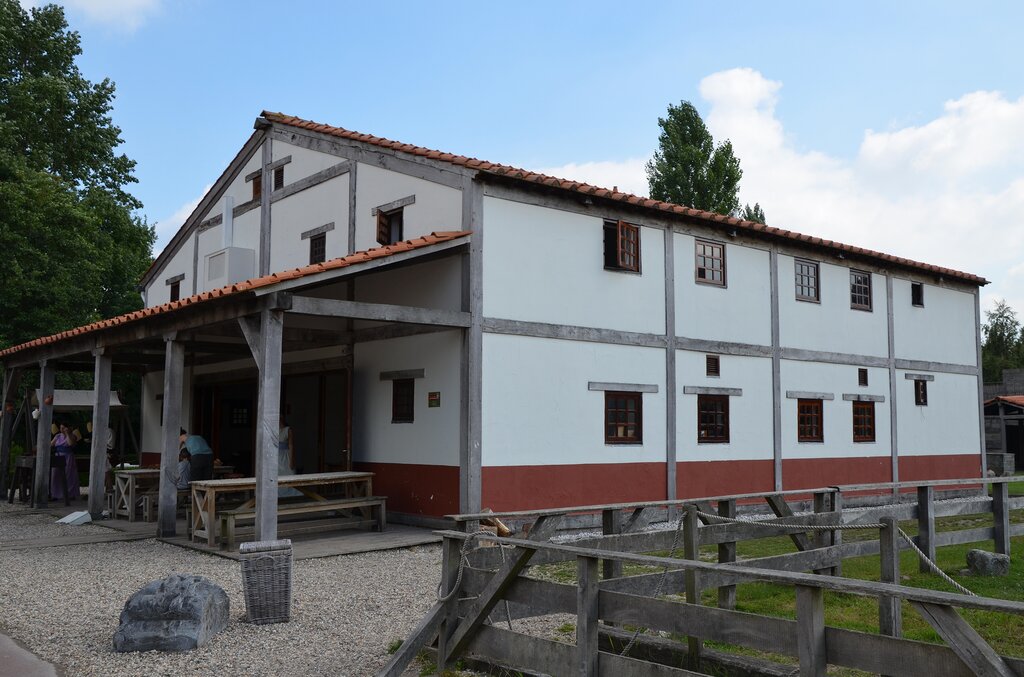
North of the Rhine, Germanic tribes such as the Frisii maintained their independence. They traded with the Romans—exchanging cattle hides and amber for wine, pottery, and luxury goods—but fiercely resisted Roman attempts to expand the frontier. The relationship was a complex mix of trade, conflict, and cautious coexistence.
Cultural Exchange
Roman rule brought profound cultural changes. The Latin language, Roman law, and new technologies became widespread in the south. Local Celtic and Germanic deities were often identified with Roman gods in a process called syncretism. The introduction of currency and a market economy transformed local trade.
Roman goods like wine, olive oil, glass, and elaborately decorated pottery (terra sigillata) became status symbols among the local elite.
This wasn't a one-way street. The Romans also adopted local customs and knowledge. They learned from the locals' expertise in managing a wet, delta environment. The interaction between these cultures created a unique Gallo-Roman society in the southern Netherlands, blending old traditions with new influences.
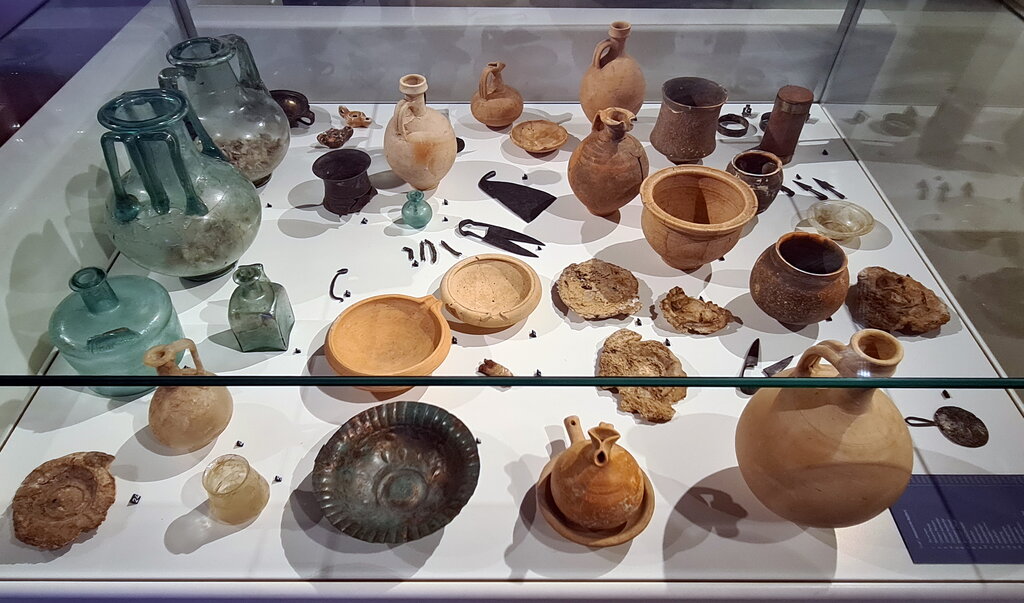
By the 3rd century AD, Roman power began to wane. Increased raids by Germanic tribes and internal instability weakened the Rhine frontier. Around 400 AD, the Romans officially withdrew, leaving behind a legacy of cities, roads, and a cultural landscape that would shape the future of the Netherlands for centuries to come.