The History of Querétaro
Pre-Hispanic Querétaro
The First Inhabitants
Long before Spanish conquistadors arrived, the lands of what is now Querétaro were home to diverse groups of people. The earliest evidence points to nomadic hunter-gatherers who roamed the semi-arid plains and mountainous highlands for thousands of years. Over time, some of these groups began to settle in small villages, particularly in the fertile southern valleys, where they cultivated maize, beans, and squash.
These early societies were relatively small and decentralized. They left behind stone tools, simple ceramics, and rock paintings that offer glimpses into their daily lives and spiritual beliefs. Their world was shaped by the rhythms of the seasons and a deep connection to the land.
The Chupícuaro Influence
Around 500 BCE, a powerful culture known as the Chupícuaro emerged to the south, near the Lerma River. While not directly based in Querétaro, their influence spread throughout the region, profoundly shaping its development. The Chupícuaro were master ceramicists, known for their intricately decorated pottery featuring geometric patterns and stylized human figures. Their distinct artistic style has been found at numerous archaeological sites in Querétaro, indicating extensive trade and cultural exchange.
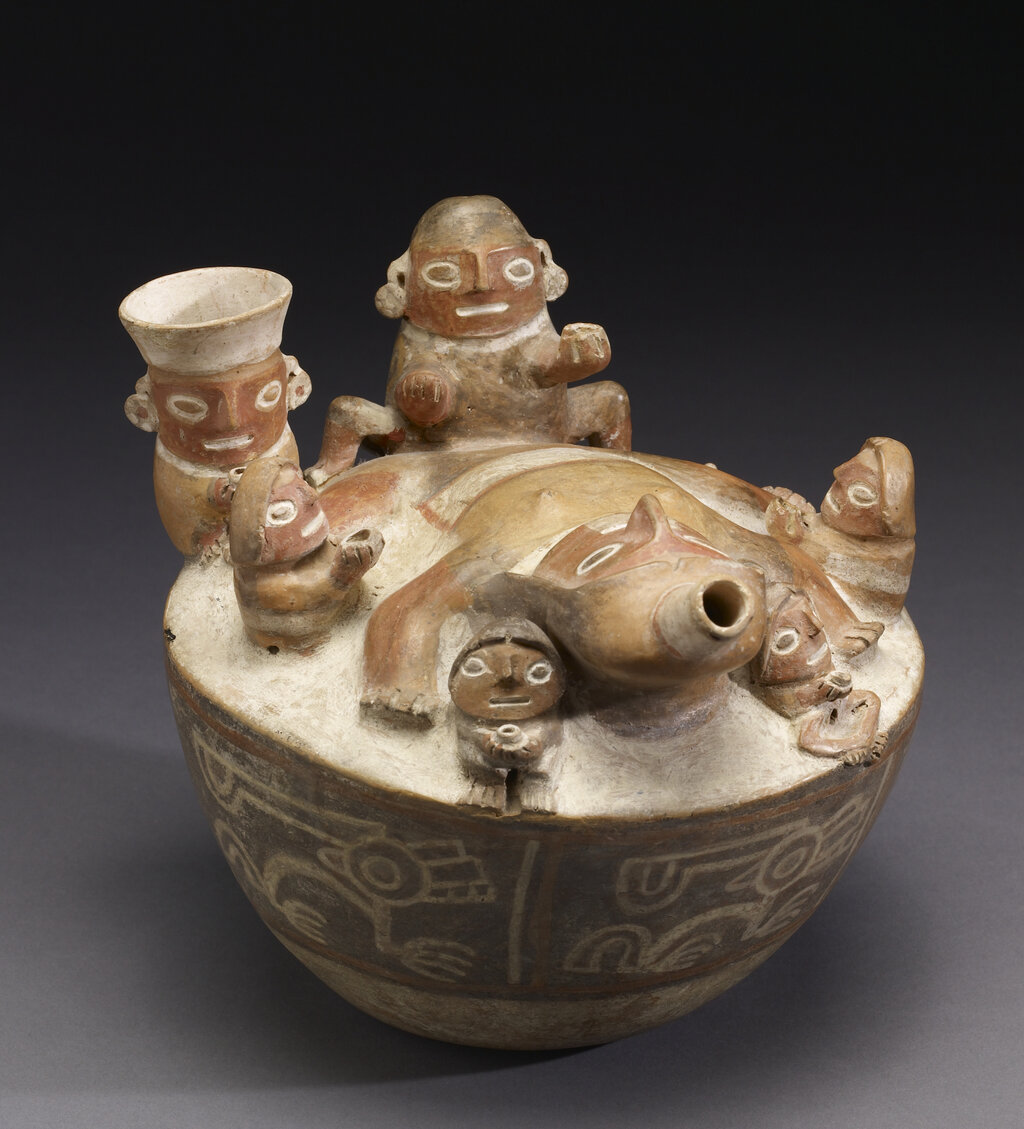
The arrival of Chupícuaro traditions marked a shift towards more complex social structures. Agriculture became more intensive, villages grew larger, and ceremonial practices became more formalized. They introduced new farming techniques and religious ideas that were adopted and adapted by local populations, laying the groundwork for the larger centers that would follow.
Centers of Power
By the Classic period (around 200–900 CE), Querétaro had become a crucial crossroads, connecting the great civilizations of the Basin of Mexico, like Teotihuacan, with the cultures of the north and west. This strategic position led to the rise of significant ceremonial and political centers.
The most prominent of these was El Cerrito, located in the modern-day city of Querétaro. For centuries, it was a major religious pilgrimage site, influenced first by Teotihuacan and later dominated by the Toltecs of Tula. Its main pyramid, a massive structure built over several generations, was the heart of a bustling urban area. The architecture and artifacts found at El Cerrito show a blend of cultural traditions, reflecting its role as a cosmopolitan hub.
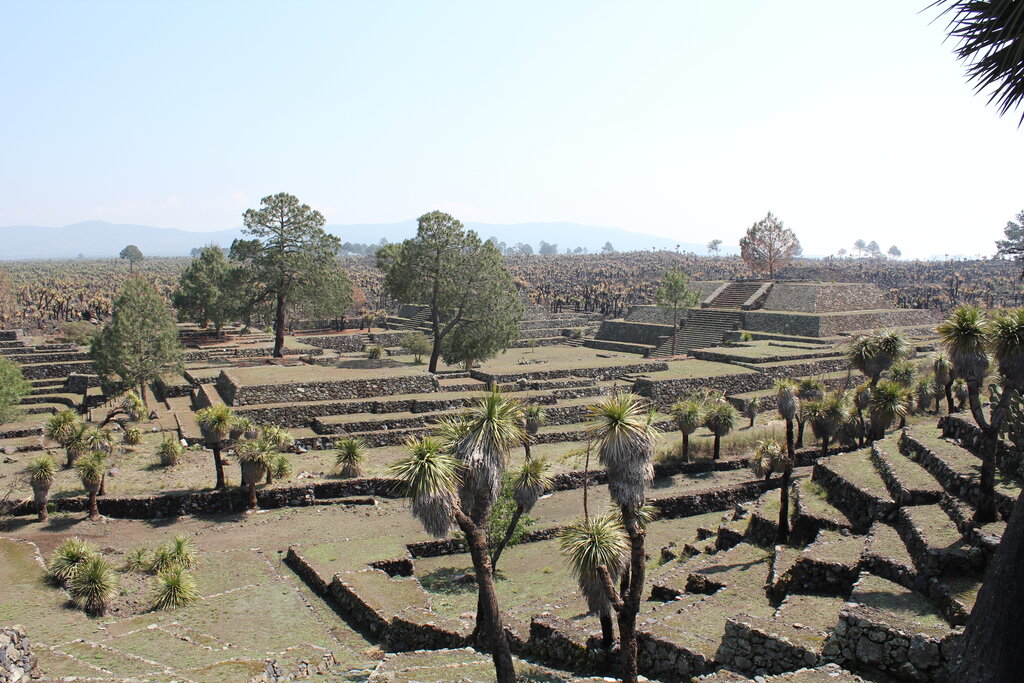
Further north, nestled in the rugged Sierra Gorda mountains, were the fortified cities of Las Ranas and Toluquilla. Unlike the primarily ceremonial El Cerrito, these sites were built for defense and to control the region's rich mineral resources, particularly cinnabar, a valuable red pigment used in rituals across Mesoamerica. Their strategic hilltop locations, complete with walls, terraces, and ball courts, allowed them to manage the trade routes that passed through the mountains.
Together, these sites paint a picture of a dynamic and complex pre-Hispanic Querétaro. It was not a remote backwater, but a vibrant frontier zone where different peoples, ideas, and goods converged. The region's inhabitants skillfully navigated the political and economic currents of their time, creating a unique cultural landscape that persists in the archaeological record today.
Let's check your understanding of Querétaro's early history.
What evidence did the earliest, pre-agricultural societies in Querétaro leave behind?
The influence of the Chupícuaro culture, which emerged around 500 BCE, is primarily identified in Querétaro through what type of artifact?
The legacy of these early cultures provided the foundation for the Querétaro that would emerge after the arrival of the Spanish.