The History of Christmas
Ancient Winter Festivals
Winter Before Christmas
Long before the traditions we know today, cultures across the Northern Hemisphere marked the darkest time of year with light, feasting, and community. The winter solstice, the shortest day and longest night of the year, wasn't a time of dread. Instead, it was a pivotal moment, a promise that the sun would return and the days would grow longer again.
solstice
noun
An astronomical event that happens twice a year, when the Sun reaches its highest or lowest point in the sky at noon, marked by the longest and shortest days.
These ancient festivals were deeply connected to the natural cycles of the earth. They were a response to the cold, the darkness, and the need for hope. Two of the most significant of these celebrations came from the Roman and Germanic peoples.
Rome's Wildest Week
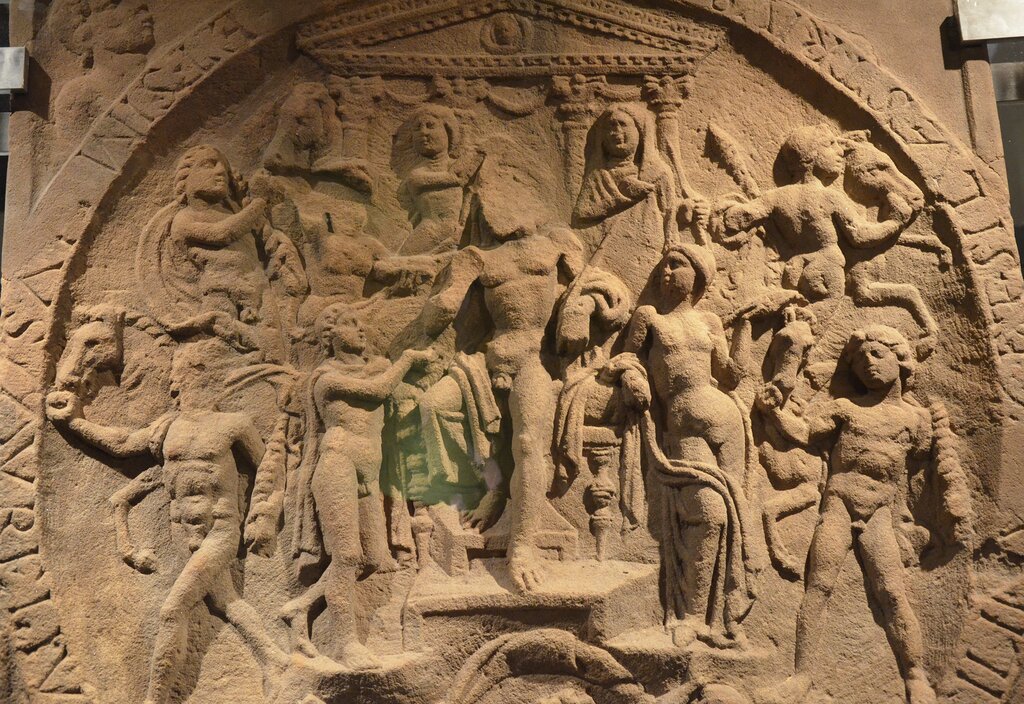
In ancient Rome, the most anticipated holiday of the year was Saturnalia. Held in late December, this raucous festival honored Saturn, the god of agriculture and abundance. For about a week, all business and government shut down. The normal, rigid social order of Rome was completely overturned.
During Saturnalia, enslaved people were often served meals by their masters, wore their masters' clothes, and were allowed to speak freely, even disrespectfully, without fear of punishment.
Homes were decorated with wreaths and other greenery. Feasting, gambling, and partying were the order of the day. A mock king, the Saturnalius princeps or "King of Saturnalia," was chosen in households to preside over the festivities, often issuing absurd commands that everyone had to follow. Romans also exchanged gifts, typically small tokens like wax candles, known as cerei, or small terracotta figurines called sigillaria.
The Fires of Yule
Further north, the Germanic peoples of Europe had their own midwinter festival: Yule. This celebration was also tied to the winter solstice and marked a time of hunting, feasting, and honoring the gods, particularly Odin. The festivities could last for up to twelve days.
All the way back to its roots, Yule is a mid-winter festival celebrated by the Germanic people.
A central custom of Yule was the burning of a Yule log. A large, specially selected log would be brought into the home and set ablaze. It was meant to burn through the longest night, its flames symbolizing the returning sun and a ward against evil spirits. The ashes were often saved and used in the new year for luck and protection.
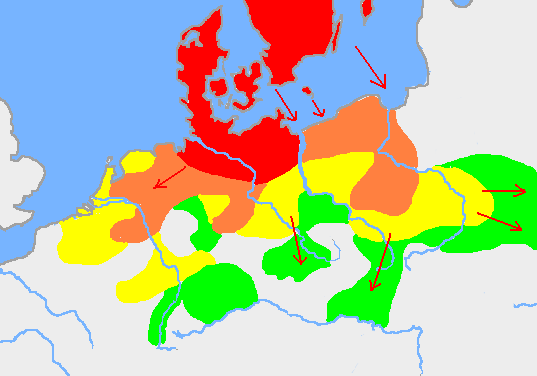
Evergreens played a crucial role. In the bleakness of winter, plants that remained green year-round were powerful symbols of persistence and everlasting life. Branches of holly, ivy, and fir were brought indoors to decorate homes, serving as a reminder that spring would eventually return.
Marking the Sun's Return
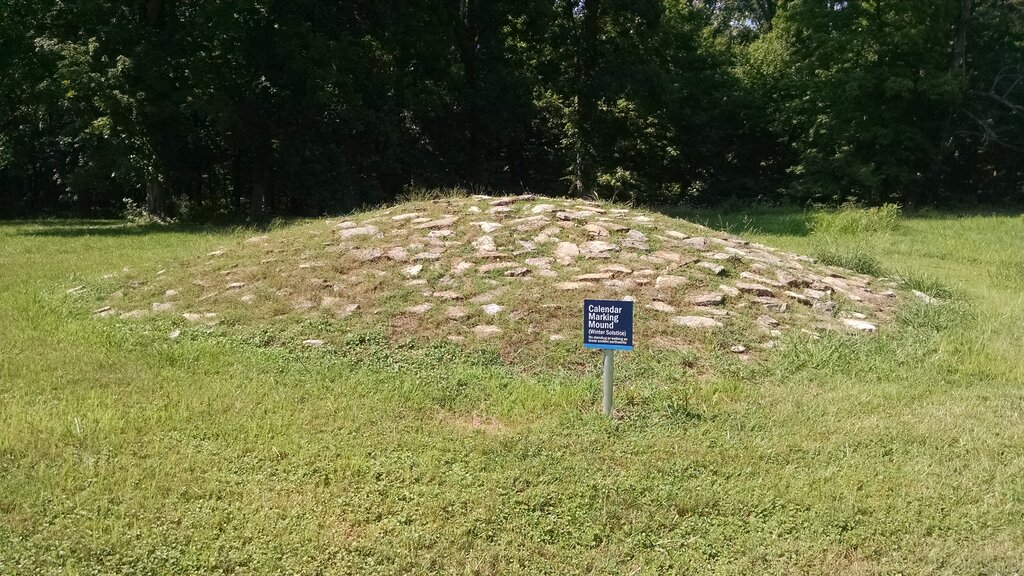
Across the ancient world, from the Celts to the Persians, the winter solstice was a time of great significance. Many cultures built monuments that aligned with the sun on this special day. In Ireland, the Newgrange passage tomb, which is over 5,000 years old, is engineered so that for a few days around the winter solstice, a narrow beam of sunlight illuminates its inner chamber.
These festivals, whether loud like Saturnalia or centered on hearth and home like Yule, shared a common purpose. They were a way for people to defy the darkness, celebrate community, and look forward with hope to the return of warmth and light. They were deeply human responses to the turning of the great wheel of the year.