The History of Chile
Indigenous Origins
Chile's First Peoples
Long before the arrival of Europeans, the long, narrow stretch of land we now call Chile was home to a remarkable diversity of peoples. The country's varied geography, from the world's driest desert in the north to the icy archipelagos of the south, shaped distinct cultures and ways of life. These groups were not a single entity but a mosaic of communities, each with its own language, social structure, and traditions.
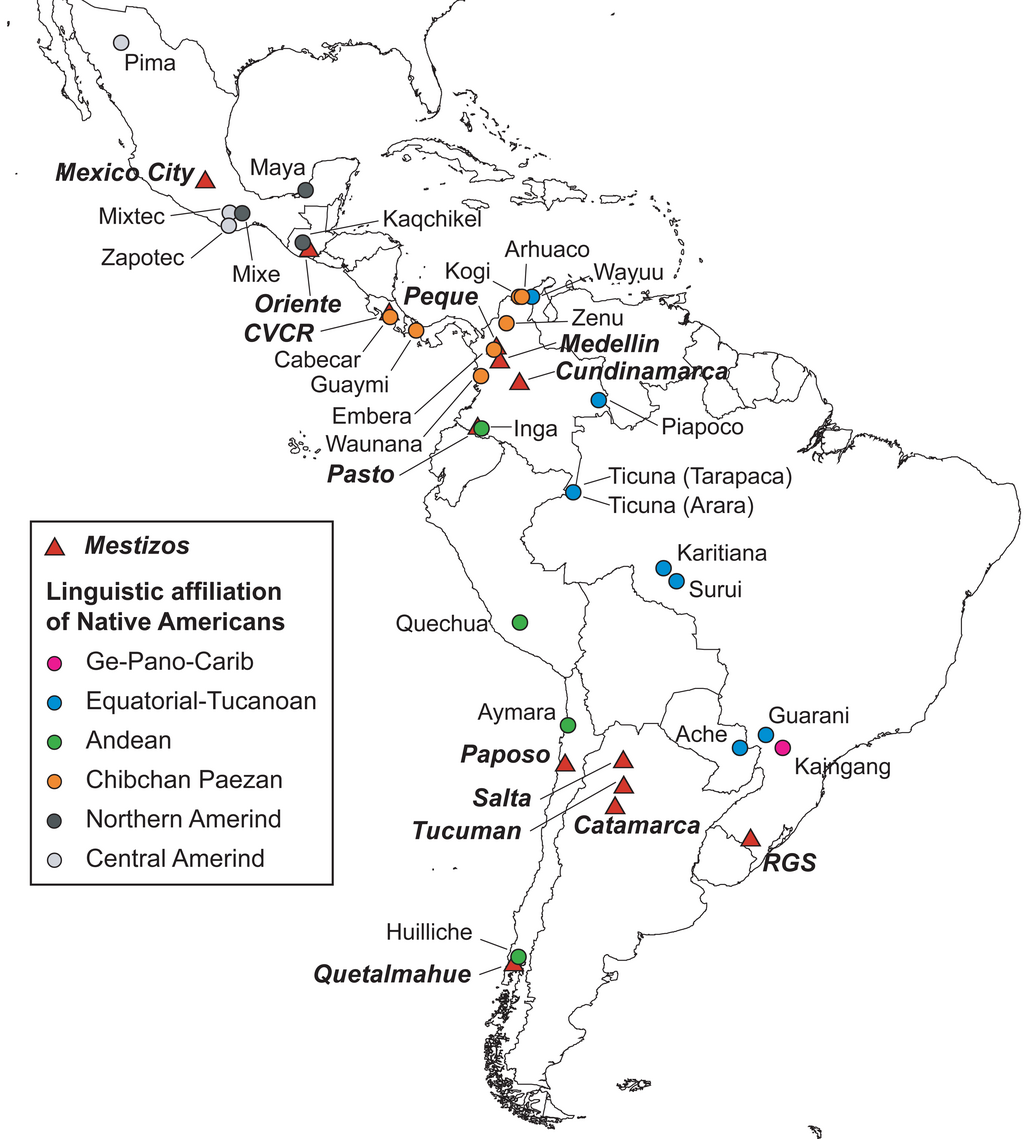
In the arid north, peoples like the Aymara and Atacameño adapted to life in the high-altitude Andean plains and desert oases. Central and southern Chile were the homelands of the Mapuche, while the far south was navigated by canoe-faring peoples like the Yaghan and Chono. Far off the coast, on Easter Island, the Rapa Nui developed a unique culture with Polynesian roots. Each group had a deep connection to its environment, which provided the foundation for its existence.
The People of the Land
Among the most prominent and historically resilient indigenous groups are the Mapuche, whose name means "People of the Land" in their language, Mapudungun. Unlike the centralized empires of the Andes, the Mapuche were organized into independent, family-based communities called lof. This decentralized structure proved to be a key factor in their ability to resist outside forces for centuries.
Their society was deeply spiritual, centered on a profound respect for nature and the land, or mapu. This worldview guided their social customs, agriculture, and warfare. They were skilled farmers, cultivating potatoes, maize, and beans, and their social life revolved around kinship and community ties.
Mapuche
noun
An indigenous people of south-central Chile and southwestern Argentina.
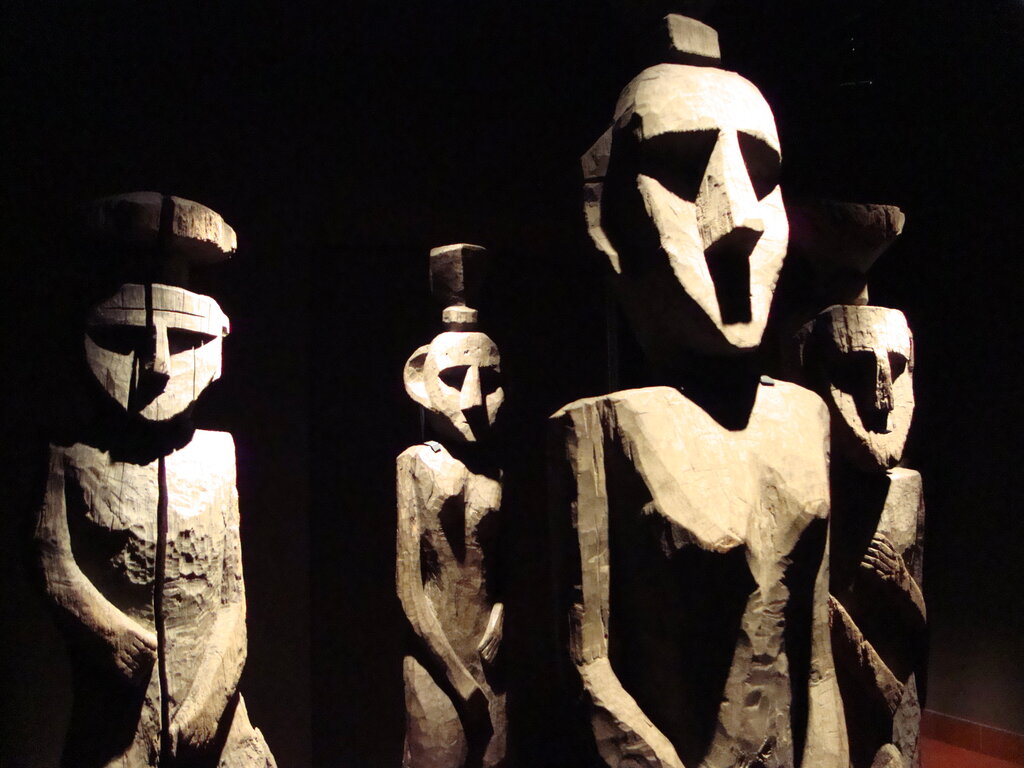
The Mapuche developed sophisticated weaving and silversmithing traditions, creating intricate textiles and jewelry that held both practical and spiritual significance. These crafts were not just decorative; they were a visual language that conveyed social status, identity, and cosmology.
The Inca Footprint
In the 15th century, another powerful force entered the region from the north: the Inca Empire. Expanding from their heartland in Peru, the Incas pushed their empire, known as Tawantinsuyu, south into present-day northern and central Chile. They brought with them their advanced administrative systems, road networks, and agricultural techniques, such as the construction of terraces for farming on steep slopes.
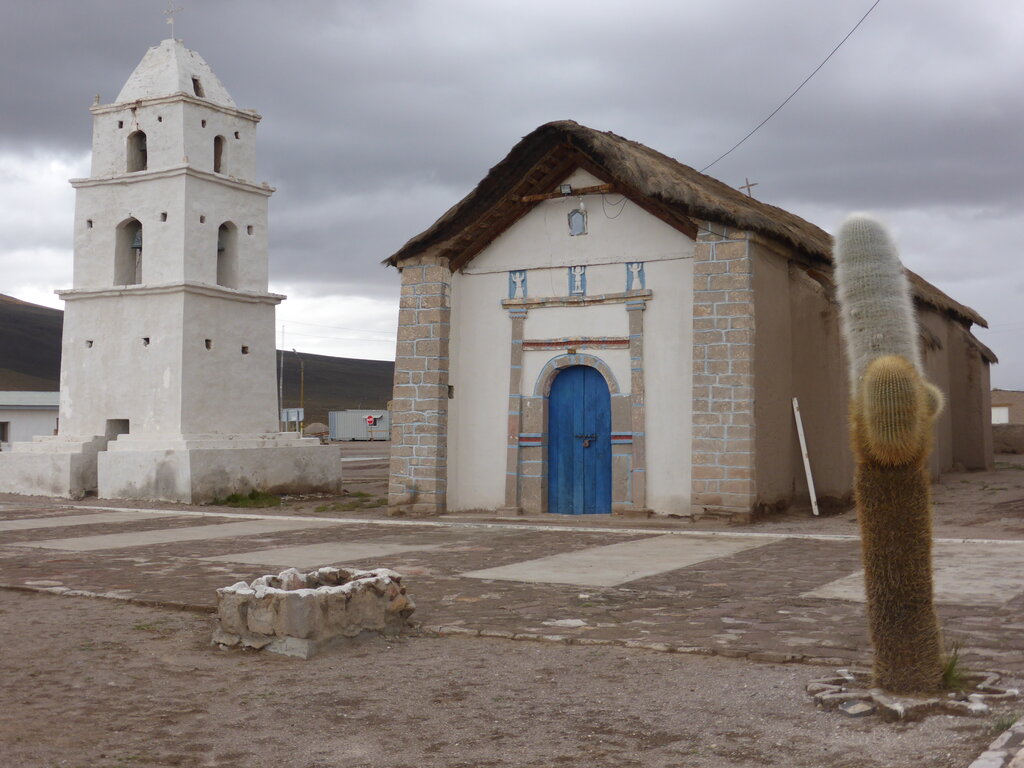
The Inca influence was significant, especially among the northern peoples who were integrated into the empire. They established administrative centers, introduced the Quechua language, and extracted resources like copper and gold.
However, the Inca expansion met its match in the south. The Mapuche fiercely resisted the invaders, and the Maule River became the effective southern boundary of the Inca Empire. This successful defense showcased the Mapuche's military prowess and their determination to remain independent, a trait that would define their history for centuries to come.
A Mosaic of Cultures
Beyond the Mapuche and the reach of the Inca, Chile was home to many other peoples. In the high Andes of the Atacama Desert, the Aymara herded llamas and alpacas, maintaining cultural and trade links with communities in modern-day Bolivia and Peru. The Diaguita people, further south, were known for their distinctive and beautiful ceramics.
In the southern maze of fjords and islands, nomadic groups adapted to a life on the water. The Chono, Alacalufe (or Kawésqar), and Yaghan (or Yámana) were masterful canoeists, living off the sea's bounty of fish, shellfish, and sea lions. Their cultures were intricately tied to the rhythms of the ocean and the harsh climate.
And far out in the Pacific, the Rapa Nui people of Easter Island, of Polynesian origin, created one of the world's most mysterious and fascinating cultures, famous for its monumental stone statues known as moai.
Let's review the diverse indigenous groups that formed the foundation of Chile's history.
Now, test your knowledge of Chile's early inhabitants.
Which indigenous group is primarily associated with the arid northern desert and high-altitude plains of Chile?
What was the fundamental, family-based community unit of the Mapuche people called?
This rich tapestry of indigenous societies formed the bedrock of Chilean history. Their cultures, resilience, and deep connection to the land are a vital part of the nation's story, predating any European or even Inca influence.