The History and Impact of Calvinism
Introduction to Calvinism
A New Branch of Protestantism
During the Protestant Reformation of the 16th century, new ways of thinking about Christianity spread across Europe. One of the most influential movements to emerge was Calvinism. Named after French theologian John Calvin, this branch of Protestantism is more than just a set of church practices. It’s a complete system of Christian theology that has shaped societies and cultures around the world.
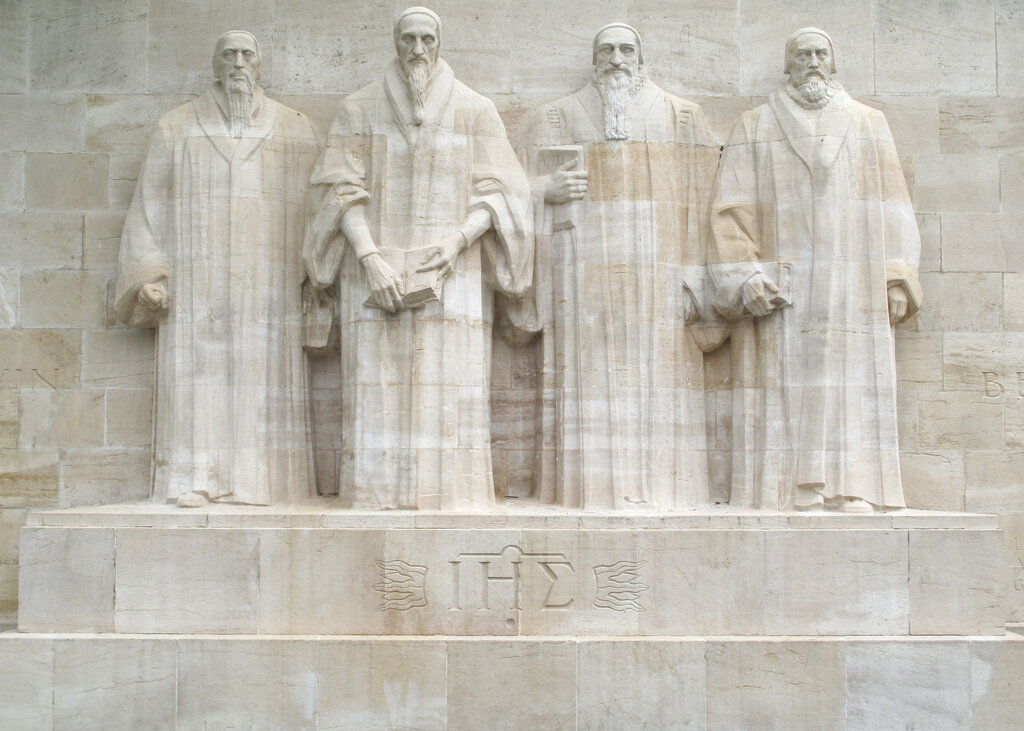
Calvinism began in Geneva, Switzerland, where John Calvin established a church based on his interpretation of the Bible. While it shares core Protestant beliefs with Lutheranism, such as salvation by faith alone, Calvinism places a stronger emphasis on the absolute sovereignty of God. This means God has complete authority and control over all of creation and all of history. This core idea influences every other aspect of Calvinist belief, setting it apart from other Christian traditions which may place more emphasis on human free will in salvation.
Spreading Across the Globe
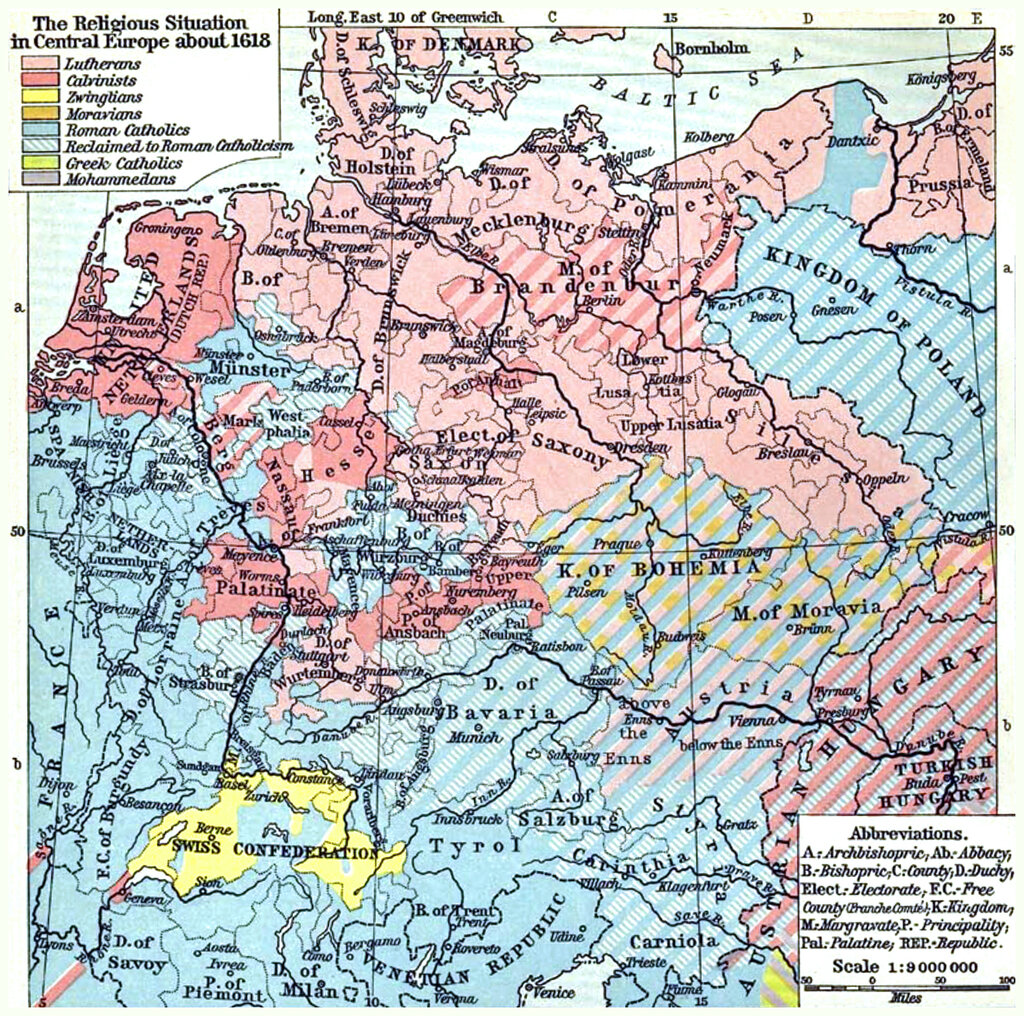
From its center in Geneva, Calvinist thought quickly spread. Missionaries and reformers carried its teachings throughout Europe. In Scotland, John Knox, who had studied with Calvin, led the establishment of the Presbyterian Church, which became the national church of Scotland. French Calvinists were known as Huguenots, and their communities grew despite intense persecution. The movement also took firm root in the Netherlands, parts of Germany, and Hungary.
As Europeans migrated to the New World, they brought their Calvinist beliefs with them. The Puritans who settled in New England, for example, were Calvinists. This is why many churches in the United States, such as Presbyterian, Reformed, and some Baptist and Congregational churches, trace their roots back to Calvin's teachings.
Today, you might not always see the name "Calvinist" on a church sign. Instead, you'll find traditions that grew out of it. These are often called "Reformed churches," signaling their direct lineage from the Protestant Reformation's Calvinist branch.
Key Distinctions
While Christian denominations share many core beliefs, they also have important differences in theology and practice. Calvinism's distinctive focus on God's sovereignty leads to specific views on salvation, worship, and the sacraments. Here’s a brief comparison of how Reformed beliefs stack up against other major Christian traditions on a few points.
| Feature | Calvinism (Reformed) | Lutheranism | Roman Catholicism |
|---|---|---|---|
| Lord's Supper | Christ is spiritually present | Christ is physically present | Bread and wine become Christ's body and blood |
| Church Governance | Led by elders (presbyters) | Varies, often led by bishops | Hierarchical, led by bishops and the Pope |
| Worship Style | Simple, focused on the sermon | Includes liturgy and hymns | Highly liturgical and sacramental |
These differences, though they may seem subtle, have led to distinct church cultures and practices. Calvinism's influence extends far beyond theology, shaping ideas about government, economics, and personal piety in many parts of the world for centuries.
What is the central theological principle that distinguishes Calvinism from many other Christian traditions?
In which city did John Calvin primarily establish his influential church and system of theology?