The History and Future of Whistleblowing in Finance
Origins of Whistleblowing
Early Whistleblowers
Exposing wrongdoing from within an organization isn't a new idea. The concept has roots that stretch back centuries. One of the earliest forms of whistleblowing was formalized in ancient Rome through laws known as qui tam. These laws allowed a private citizen to sue on behalf of the government for fraud and, if successful, receive a portion of the recovered damages. It was a powerful incentive for individuals to report deceit.
This practice found its way into English common law and eventually to the United States. During the Civil War, the U.S. government faced widespread fraud from suppliers selling faulty equipment and spoiled food to the Union Army. In response, Congress passed the False Claims Act in 1863. Nicknamed the "Lincoln Law," it borrowed the qui tam concept, encouraging citizens to act as private watchdogs by offering them a share of any money recovered from fraudulent contractors.
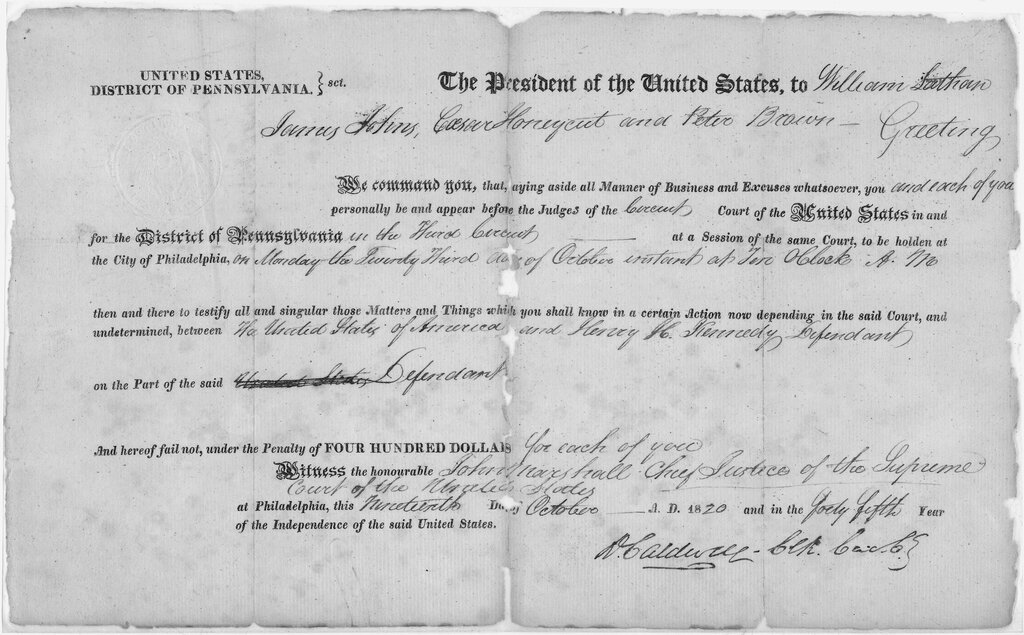
These early examples were less about abstract morality and more about practical matters, like recovering stolen funds. The whistleblower was seen as an informant helping the state protect its treasury. The focus was on a direct transaction: you report fraud, you get a reward. The broader idea of a whistleblower as a defender of public trust would take much longer to develop.
Shifting Perceptions
For much of the 20th century, loyalty to one's employer was a highly prized virtue. Large corporations and government agencies fostered a culture of conformity. In this environment, speaking out against your organization was often seen as a profound betrayal, not a courageous act. Whistleblowers were frequently labeled as disgruntled employees, troublemakers, or traitors.
The tide began to turn in the 1960s and 1970s. A series of major societal events shook public faith in powerful institutions. The Vietnam War, and later the Watergate scandal, revealed that governments could deceive their own citizens on a massive scale. Suddenly, the actions of insiders who exposed these truths were cast in a different light.
Figures like Daniel Ellsberg, who leaked the Pentagon Papers, and Frank Serpico, who exposed systemic corruption in the New York City Police Department, became household names. They weren't just seen as informants, but as public servants acting in the interest of the people, often at great personal risk.
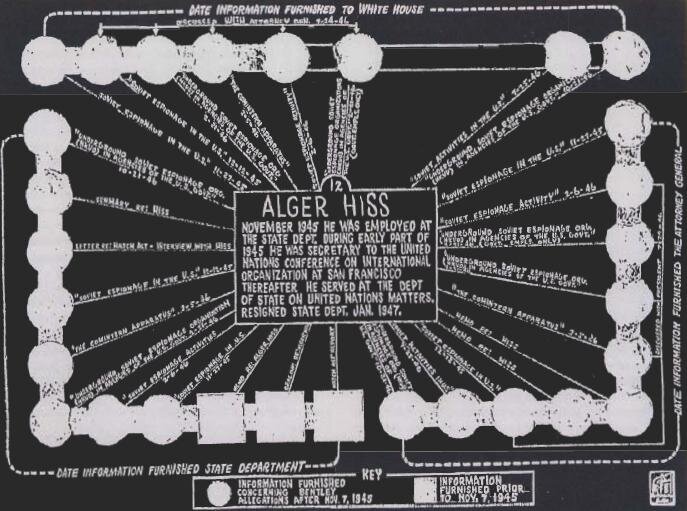
Several factors fueled this shift. The rise of investigative journalism gave whistleblowers a powerful platform to share their stories. A more educated and skeptical public was less willing to offer blind trust to authority. People began to understand that the actions of a distant government agency or a massive corporation could have a direct and serious impact on their lives.
The case for whistle blowing, then, is driven by the recognition, first of all, that internal mechanisms often fail to deal adequately with an organization’s failures, and second, that because the interests jeopardized by those failures often include those outside the organization, a wider group has a prima facie right to know of the costs that it faces or that have been imposed on it.
Paving the Way for Protection
As the public began to celebrate whistleblowers, the harsh reality of their circumstances also became clear. Exposing the truth often came at a severe cost. Ellsberg faced espionage charges that could have sent him to prison for life. Serpico was shot in the face during a drug raid under circumstances that suggested he may have been deliberately set up by his colleagues. Many others lost their jobs, faced harassment, and were ostracized from their professions.
This growing awareness highlighted a critical problem. If society wanted insiders to report wrongdoing, it couldn't simply praise them after they had already risked everything. There needed to be formal systems in place to protect them. This realization was the seed from which modern whistleblower protection laws would grow. The conversation shifted from simply reacting to individual acts of courage to building a framework that could encourage and safeguard them.
What was the primary motivation behind the ancient Roman qui tam laws, an early form of whistleblowing?
The U.S. False Claims Act of 1863, also known as the "Lincoln Law," was created in direct response to what specific problem?
This historical journey shows how the idea of the whistleblower transformed from a paid informant into a guardian of public accountability, setting the stage for the legal structures that exist today.