The Historian's Craft
Introduction to Historical Studies
What Is a Historian?
A historian is an expert who studies and writes about the past. But their job isn't just about memorizing names and dates. It's about asking questions. Why did this event happen? What was life like for people at this time? How did a past decision shape our world today?
Historians act like detectives. They hunt for clues left behind from different eras, piece them together, and build an interpretation of what happened. They don't just report facts; they analyze them to create a compelling and evidence-based story about the past.
History is what’s produced when a historian looks at the residue of the past – the fragments, material, sources, or clues left behind – and analyzes, interprets, and pieces together a story or argument about what happened.
This process requires careful investigation and a critical eye. A historian's goal is to understand the past on its own terms, considering the unique contexts, cultures, and technologies of the time.
The Historian's Toolkit
To build their arguments, historians rely on evidence, which they categorize into two main types: primary and secondary sources.
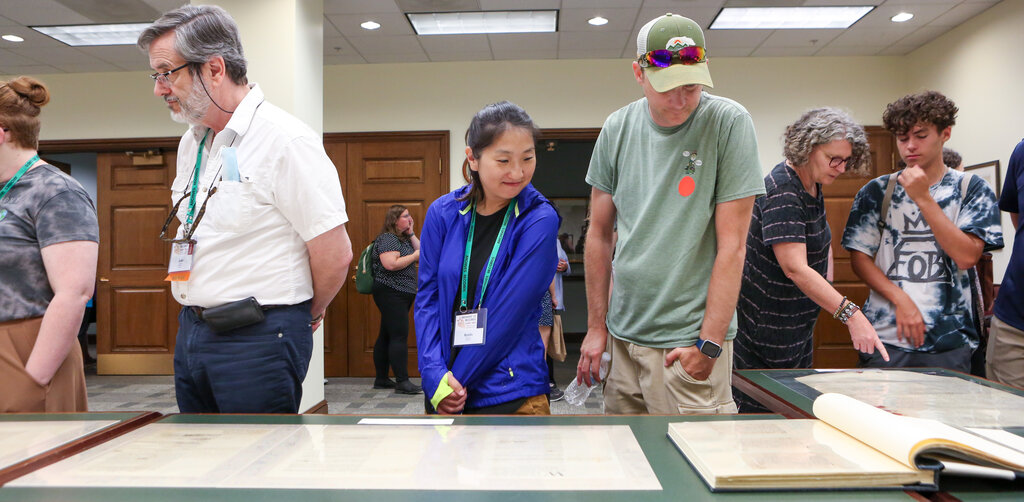
Primary sources are raw materials from the past. They are firsthand accounts or original objects created during the time period being studied.
Think of letters, diaries, photographs, government records, and artifacts like pottery or tools. These sources provide a direct window into a specific moment in history. They are the closest we can get to experiencing the past ourselves.
Secondary sources are one step removed. They are created after the fact by someone who was not present for the events. These sources interpret, analyze, or comment on primary sources.
Examples include textbooks, scholarly articles, documentaries, and biographies. A biography of Abraham Lincoln written today is a secondary source because the author is analyzing primary sources—like Lincoln's letters—to construct their narrative.
| Source Type | Description | Examples |
|---|---|---|
| Primary | Firsthand account or original artifact | Diaries, letters, photographs, laws, artifacts, census data |
| Secondary | Interpretation or analysis of primary sources | Textbooks, biographies, scholarly articles, documentaries |
Historians must use both types of sources critically. A letter might offer a personal glimpse into an event, but it only shows one person's perspective. A textbook provides a broad overview, but its author has already made choices about what to include and how to interpret it. Good historical work involves weighing different sources against each other to create a balanced and nuanced understanding.
Historians and Their Colleagues
The work of a historian often overlaps with other fields that also explore the past. However, their focus and methods are distinct.
Archaeologists study the past through physical remains. They excavate sites to uncover artifacts, buildings, and other material evidence. While a historian might read a letter describing a Roman villa, an archaeologist might unearth the villa's foundations and the pottery used by its inhabitants. Their work provides crucial information about societies that left few or no written records.
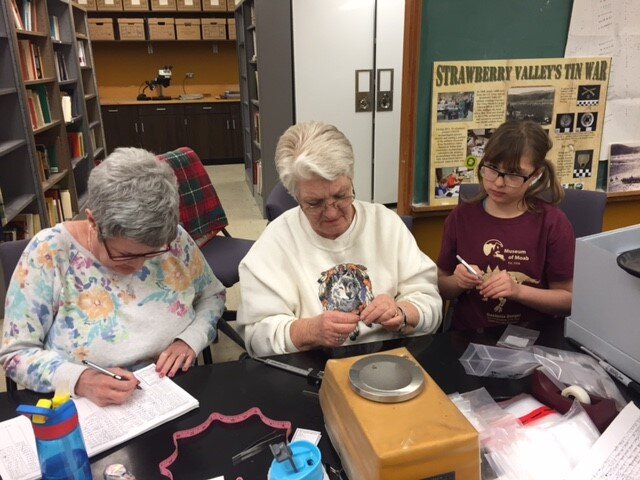
An antiquarian is a person who studies or collects antiques and other old objects. This term is less common today, but it historically described someone interested in the physical artifacts of the past, often for their own sake. While both historians and antiquarians are interested in old things, historians focus on using those objects to build a larger argument about the past, while antiquarians might be more focused on the object itself—its collection, preservation, and description.
| Profession | Primary Focus | Key Method |
|---|---|---|
| Historian | Written records and documents | Textual analysis and interpretation |
| Archaeologist | Physical objects and material remains | Excavation and artifact analysis |
| Antiquarian | Collecting and studying old objects | Collection and description |
Studying history involves more than just knowing what happened. It's about understanding how we know what happened, evaluating the evidence, and weaving it into a meaningful narrative. It's a skill that helps us make sense of our world.
Which of the following best describes the primary role of a historian?
A historian writing a book about the American Civil War finds a diary written by a soldier in 1863. This diary is considered what type of source?