The Health Benefits of Tea
Introduction to Tea
The World in a Teacup
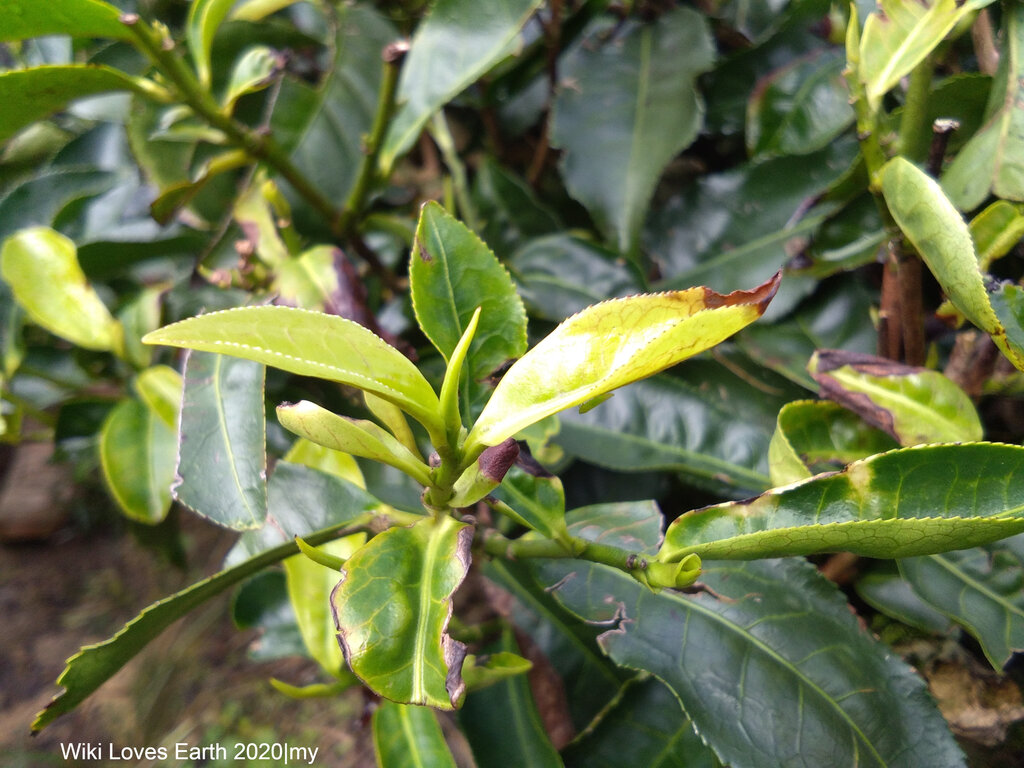
Every cup of black, green, oolong, or white tea begins in the same place: the leaves of a single plant species. It might seem surprising, but the incredible variety of flavors and aromas in the world of tea all come from one evergreen shrub.
All true teas come from the same plant – Camellia Sinensis.
This plant, Camellia sinensis, is native to East Asia. The differences between the major tea types aren't due to different plants, but to how the leaves are processed after they're picked. The key factor is a natural chemical process called oxidation.
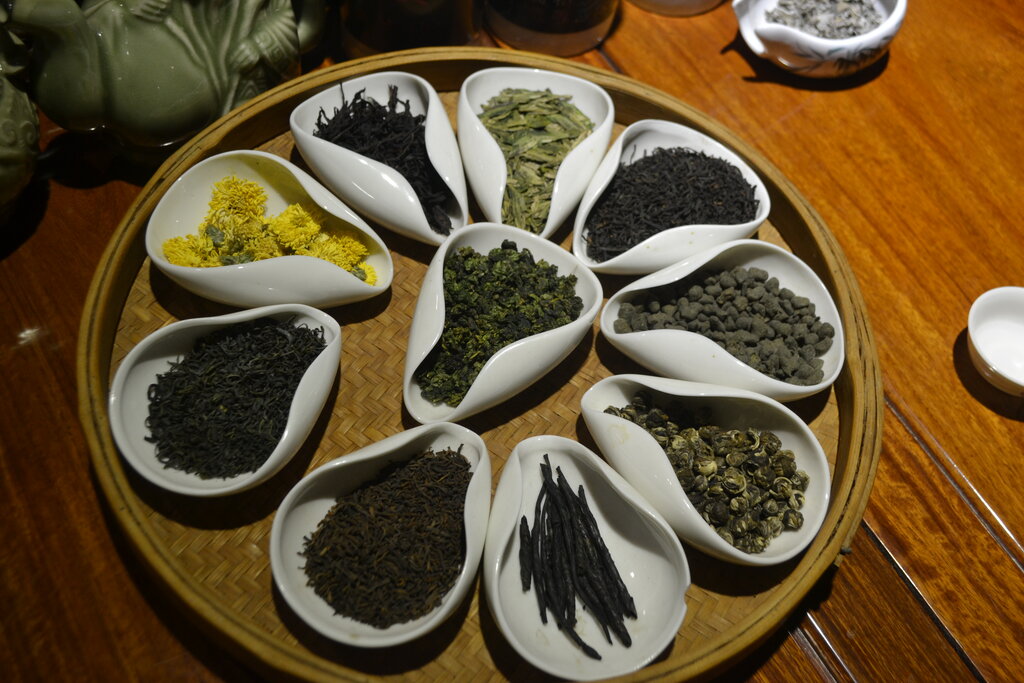
Oxidation is what happens when the enzymes inside the tea leaf are exposed to oxygen, similar to how a cut apple turns brown. Tea makers can control the level of oxidation to create distinct types of tea:
- White Tea: Made from young leaves and buds, it's the least processed. The leaves are simply withered and dried, preventing most oxidation.
- Green Tea: The leaves are heated shortly after picking (either by steaming or pan-firing) to halt oxidation entirely. This preserves their green color and fresh, grassy flavor.
- Oolong Tea: This is a semi-oxidized tea, sitting somewhere between green and black. The leaves are bruised or rolled to encourage partial oxidation. This process can be stopped at any point, resulting in a wide range of flavors, from light and floral to dark and roasted.
- Black Tea: The leaves are rolled or crushed to break down their cell walls and then allowed to fully oxidize. This turns the leaves dark brown and develops deep, malty, and fruity flavors.
Herbal Infusions
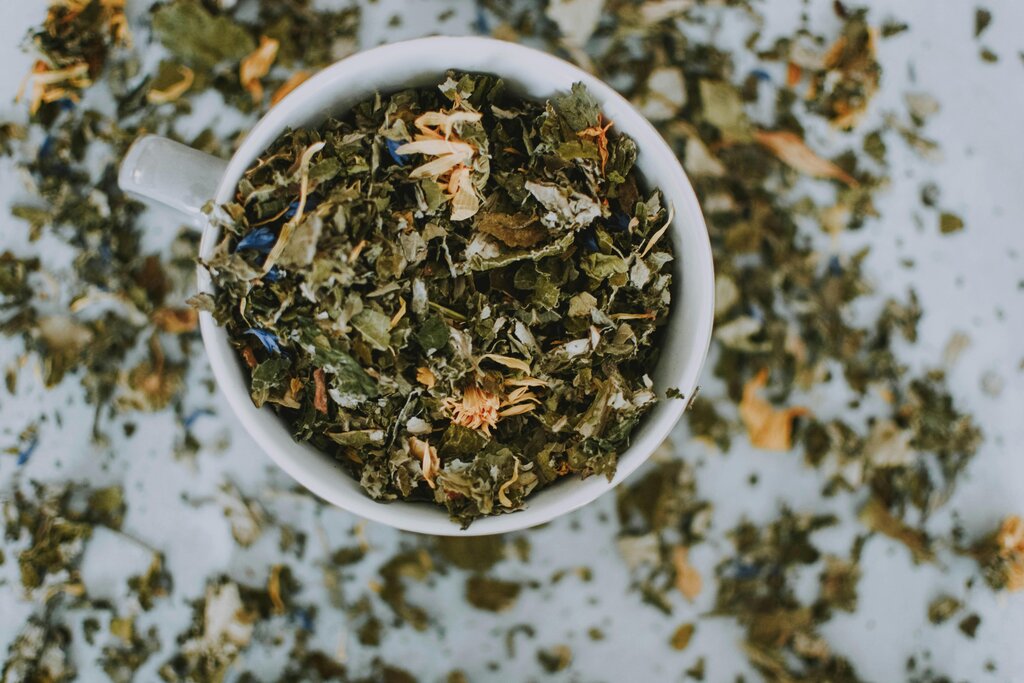
So, what about chamomile, peppermint, or rooibos tea? While we call them "teas," they don't actually come from the Camellia sinensis plant. They are more accurately called herbal teas or tisanes.
Tisane
noun
An infusion of herbs, spices, or other plant material in hot water. It does not contain any leaves from the tea plant (Camellia sinensis).
These beverages are made by steeping flowers, leaves, seeds, or roots from a wide variety of other plants. Because they lack tea leaves, most tisanes are naturally caffeine-free. They are enjoyed for their diverse flavors and have been used in traditional medicine for centuries.
A Global Tradition
Tea is more than just a drink; it's a cornerstone of culture in many parts of the world. Its story begins in ancient China, where it was first used for medicinal purposes. Over time, it grew into a beloved daily beverage and an essential part of social life.
From China, tea cultivation and drinking culture spread across Asia and eventually the entire globe. This journey gave rise to unique traditions, from the intricate Japanese tea ceremony (Chadō), which elevates tea preparation to an art form, to the British custom of afternoon tea, a social ritual of scones, sandwiches, and a pot of black tea.
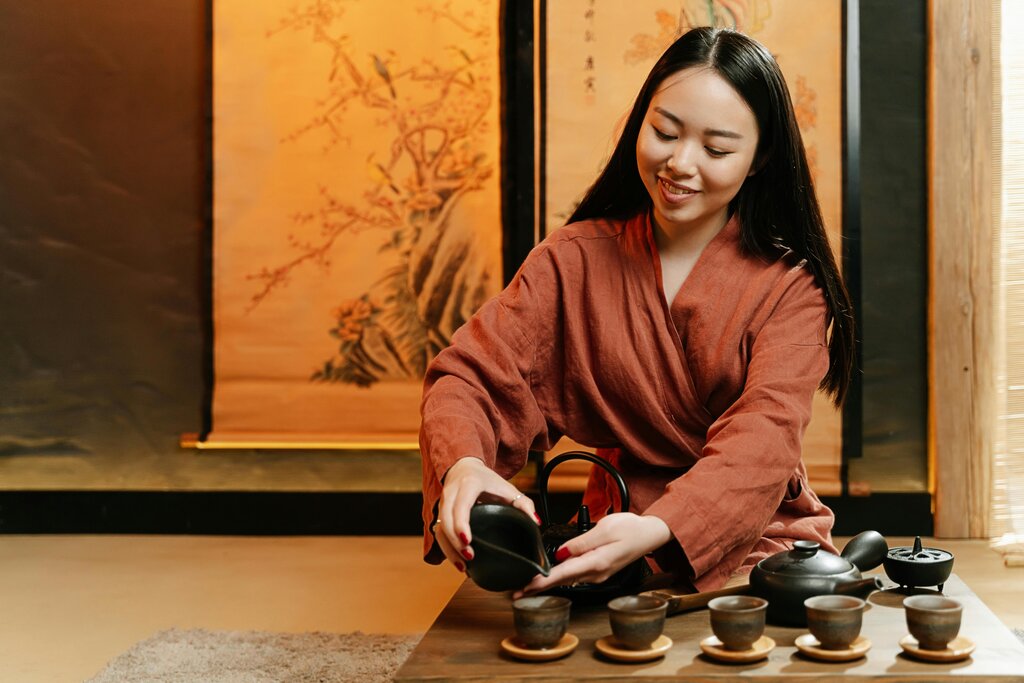
In Morocco, mint tea is a symbol of hospitality, while in India, spiced chai is a daily staple sold on countless street corners. Each culture has adapted tea to its own tastes and customs, making it one of the world's most popular and versatile beverages.
What is the primary factor that determines whether tea leaves become black, green, oolong, or white?
A tea master wants to create a tea with a fresh, grassy flavor and bright green color. Which processing step is crucial to stop oxidation?