The Hazel Swayne Design Philosophy
Invisible Co-designer
The Invisible Co-designer
In any meeting, workshop, or digital interaction, there's a participant you've never been introduced to. This participant is always present, shaping conversations and influencing outcomes, yet it has no voice. This is the 'Invisible Co-designer'—the physical or digital environment itself.
This concept, often credited to designer Hazel Swayne, reframes the environment as an active partner. It's not merely a container for an experience; it's a key collaborator. The way a room is lit, the layout of a digital dashboard, or the ambient noise level all contribute to a person's psychological state. These elements aren't neutral. They are constantly sending signals that we process subconsciously.
Your environment is a silent but powerful force in every interaction. It can either support your goals or sabotage them.
This subconscious processing is a core part of , an instinctual process where people interpret their surroundings to gauge safety, value, and their role within a situation. Before we consciously engage with content or a conversation, we've already made a dozen micro-judgments based on the space we're in. Is this a place for serious discussion or casual brainstorming? Am I expected to listen or to contribute? Do I feel secure enough to be vulnerable? The invisible co-designer answers these questions for us before anyone says a word.
Auditing the Environment
To work with this invisible co-designer, you must first learn to see it. This requires moving beyond simple utility or aesthetics and auditing the environment through a specific lens. The guiding question is always: 'What do we want people to feel?'
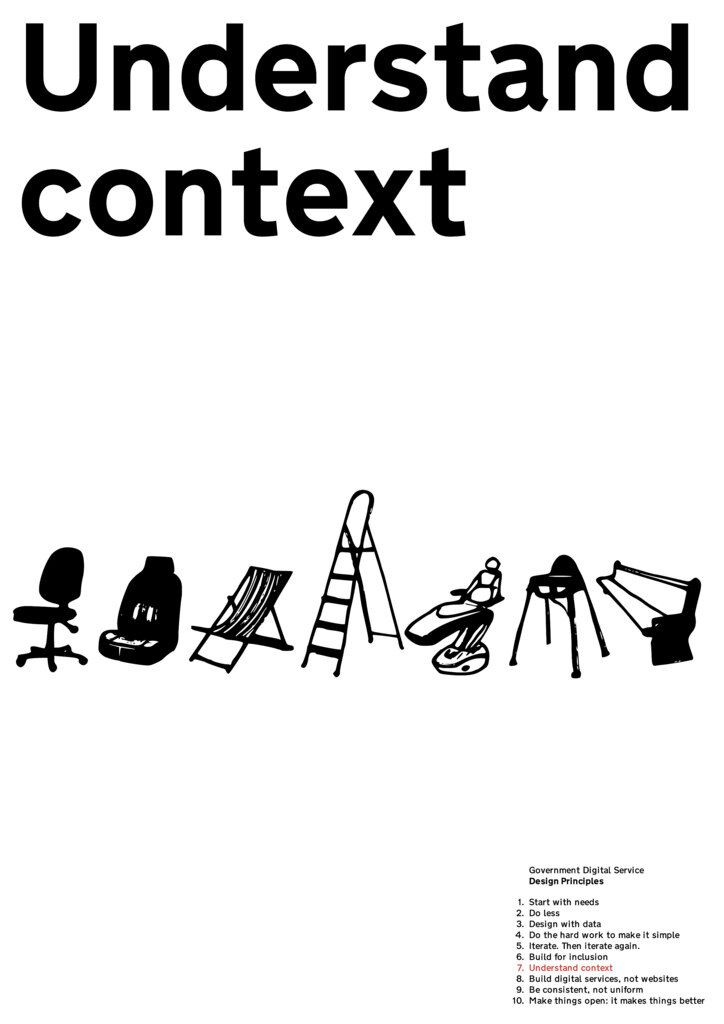
This single prompt transforms your perspective. You stop asking if a room has enough chairs and start asking if the seating arrangement fosters collaboration or hierarchy. You stop checking if a user interface has all the required features and start asking if the layout reduces cognitive load or creates anxiety.
Consider a leadership development program. If the goal is to encourage vulnerability, holding a session in a large, formal boardroom with a long table creates friction. The environment—the invisible co-designer—is dressed for authority and reporting, not introspection. A smaller room with comfortable chairs in a circle would be a better choice. The space itself would signal that a different kind of interaction is expected. For a aimed at deep focus, an interface cluttered with notifications and ads primes the user for distraction, undermining the core purpose.
Mapping Environmental Cues
An environmental audit involves identifying specific sensory cues and mapping them to the desired emotional state. These cues are the levers you can pull to change how the invisible co-designer influences participants. This applies equally to customer experience (CX) in a retail store and learning and development (L&D) in a training session.
| Cue (Physical or Digital) | Potential Psychological Impact |
|---|---|
| Sound: Silence, soft ambient music, acoustic paneling | Focus, calm, introspection, safety |
| Sound: Loud chatter, abrupt digital alerts, echo | Anxiety, distraction, urgency, lack of privacy |
| Light: Dim, warm, natural light | Intimacy, relaxation, creativity |
| Light: Bright, cool, fluorescent light | Energy, formality, clinical sterility |
| Space: Ample personal room, high ceilings, clear pathways | Value, respect, freedom, possibility |
| Space: Cramped seating, cluttered surfaces, blocked flow | Confinement, stress, low priority, friction |
By consciously choosing these cues, you are effectively 'dressing' the invisible co-designer for the occasion. You are intentionally priming participants to feel a certain way, thereby lowering the cognitive barriers to engagement and creating the ideal conditions for the experience you want to create.
What is the 'Invisible Co-designer'?
According to the concept, the 'Invisible Co-designer' primarily influences people through which process?