The Hamilton Musical Phenomenon
Alexander Hamilton's Early Life
The Caribbean Years
Alexander Hamilton’s story doesn't start in the bustling cities of colonial America. It begins on the small Caribbean island of Nevis, a place of sugar plantations and sweltering heat. He was born around 1755, though the exact year is debated. His parents, Rachel Faucette and James Hamilton, were not married. This fact would cast a long shadow over Alexander's early years.
Illegitimate
adjective
Born of parents not lawfully married to each other.
Being labeled "illegitimate" was a serious stigma. It meant he couldn't inherit property and was barred from attending Church of England schools. From the start, Hamilton was an outsider. His family life was unstable. His father, a Scottish trader, abandoned the family when Alexander was just a boy. His mother moved him and his brother to the island of St. Croix, but she died of a fever a few years later, leaving the two boys orphaned and destitute.
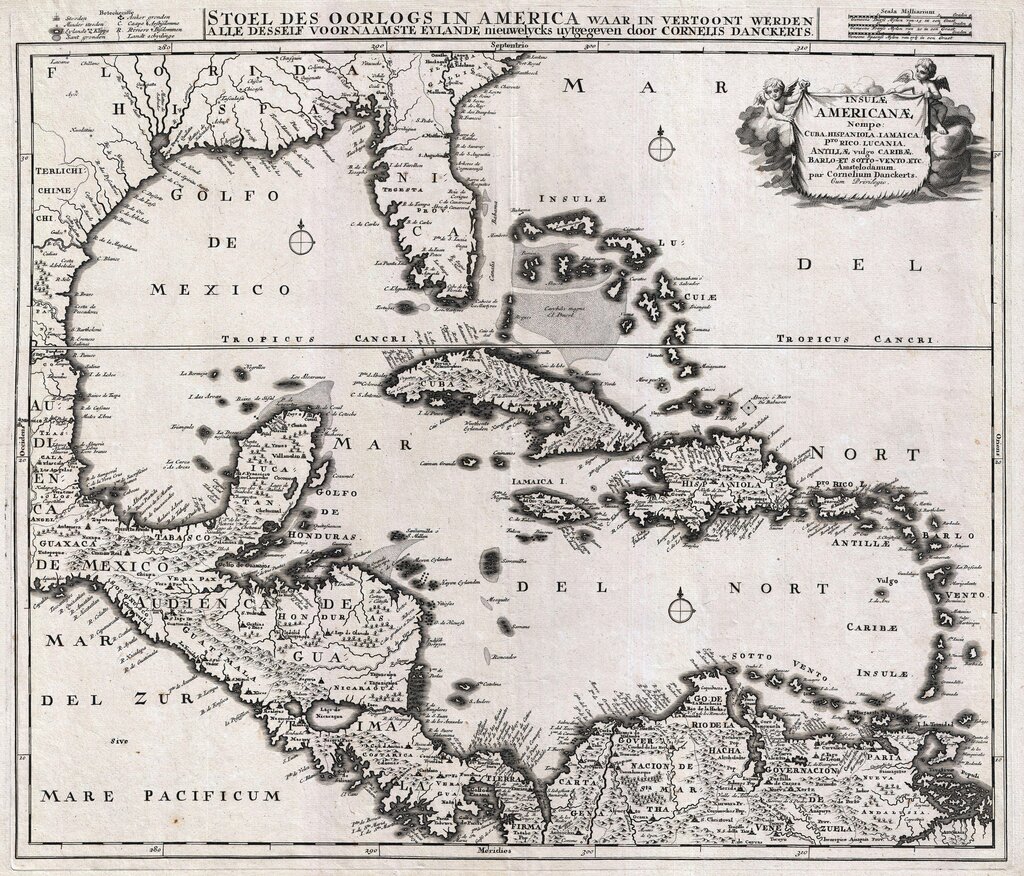
Suddenly alone, young Hamilton had to rely on his own wits. He was taken in by a cousin, who soon died by suicide. Bounced between relatives and guardians, he found stability in work. At the remarkably young age of 11, he took a job as a clerk at a trading company.
A Mind at Work
Hamilton wasn't just any clerk. He was a prodigy. Working for the firm of Beekman and Cruger, he quickly grasped the complexities of international trade, finance, and shipping. He dealt with different currencies, managed cargo, and corresponded with seasoned merchants. When his boss was away at sea, the teenage Hamilton was often left in charge of the entire operation.
This wasn't a formal education, but it was a masterclass in economics and human nature. He saw firsthand how money, credit, and ambition drove the world. Alongside his work, he was a voracious reader, devouring every book he could find, from ancient philosophy to modern poetry. He wrote constantly, honing the powerful prose that would later define his political career.
Hamilton's difficult childhood didn't break him; it fueled a relentless ambition to prove his worth and rise above his circumstances.
His big break came in 1772, but not from his business skills. A catastrophic hurricane devastated St. Croix. Hamilton wrote a vivid, dramatic letter describing the storm's fury and the island's suffering. The letter was so powerful that a local newspaper editor, Hugh Knox, published it. People were astounded by the raw talent of the young clerk.
Recognizing his immense potential, Knox and other community leaders raised money to send Hamilton away for a proper education. They knew his brilliant mind was destined for bigger things than a Caribbean counting house. With their support, Alexander Hamilton boarded a ship and sailed for New York City, leaving his past behind to seek a new life in the American colonies.