The Gut Microbiota Explained
Introduction to Gut Microbiota
Meet Your Inner Ecosystem
Inside your digestive tract lives a bustling, microscopic world. It’s a community of trillions of microorganisms, collectively known as the gut microbiota. This isn't just a random collection of germs; it's a highly organized and essential part of your body. Think of it as a complex ecosystem, like a rainforest, teeming with life that works together and with you, the host.
microbiota
noun
The community of microorganisms, including bacteria, archaea, fungi, and viruses, that live in a particular environment, such as the human gut.
This community is incredibly diverse, containing more microbial cells than human cells in your entire body. While we often associate microbes with illness, the vast majority of those in our gut are either harmless or incredibly beneficial.
The Residents of Your Gut
The gut microbiota isn't just one type of organism. It's a varied neighborhood of different microscopic life forms.
- Bacteria: These are the most famous and abundant residents. You have hundreds, maybe even thousands, of different bacterial species living inside you. They are the primary workhorses of the gut ecosystem.
- Viruses: Don't worry, most viruses in the gut aren't the kind that make you sick. They are typically bacteriophages, which means they infect bacteria. They help maintain a healthy balance by keeping specific bacterial populations in check.
- Fungi: Small populations of fungi, like yeasts (such as Candida), are also a normal part of the gut community. In a healthy gut, their numbers are kept low by the surrounding bacteria.
- Archaea: These are single-celled organisms that look similar to bacteria but belong to a completely different domain of life. Some archaea in the gut are responsible for producing methane gas.
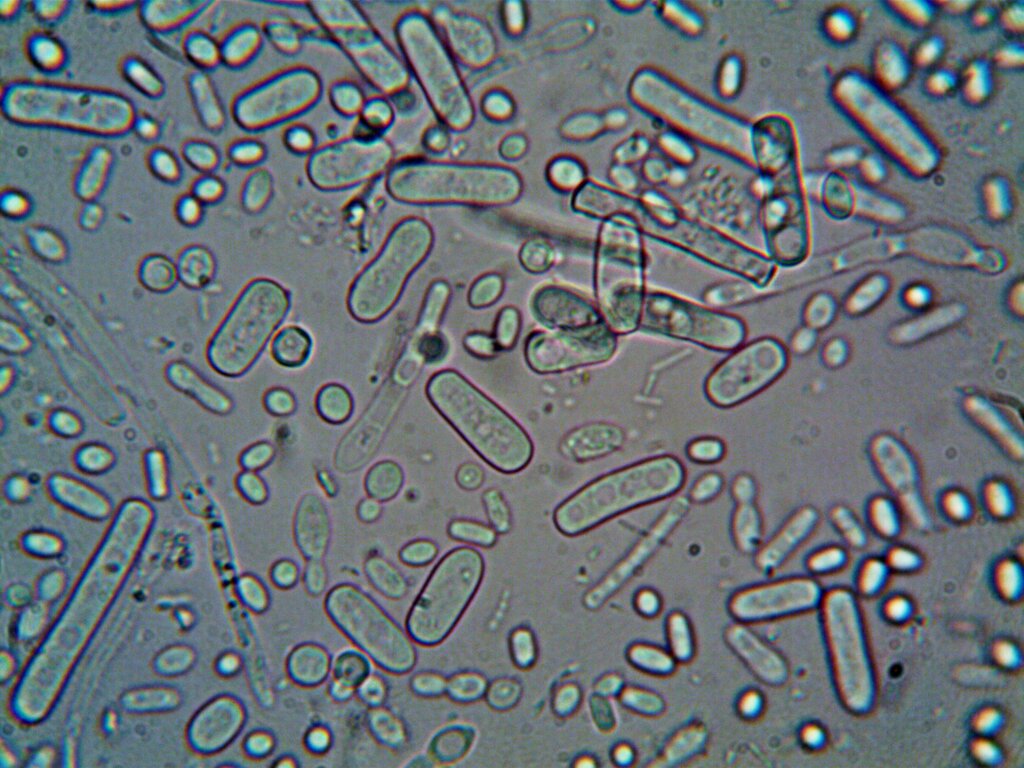
This mix of microbes is unique to you, like a fingerprint. Your diet, lifestyle, and environment all shape who lives in your gut.
Location, Location, Location
These microbes aren't spread out evenly through your digestive system. The environment changes dramatically from one end to the other, which determines where different microbes can thrive.
Your stomach is highly acidic, making it a tough place for most microbes to survive. As food moves into the small intestine, the population starts to increase. But the real metropolis is the large intestine, or colon. It's less acidic and the passage of food is much slower, creating the perfect conditions for a dense and diverse microbial community to flourish.
The colon is where most of the fermentation—the process by which microbes break down food—takes place. This is where your microbiota does its most important work.
What Do They Actually Do?
Your gut microbes are far from being passive passengers. They are active participants in your health, performing jobs you can't do on your own.
One of their main roles is digestion. Humans lack the enzymes to break down certain types of fiber, like those found in vegetables, fruits, and whole grains. Your gut bacteria, however, are experts at this. They ferment these fibers, breaking them down into useful compounds.
Through this fermentation process, your microbiota produces essential nutrients, such as short-chain fatty acids (SCFAs), which are a major source of energy for the cells lining your colon. They also synthesize important vitamins, including vitamin K and several B vitamins.
Beyond digestion, a healthy microbiota helps protect you from harmful pathogens by competing with them for space and resources. It also plays a vital role in training and developing your immune system from birth.
This community of microbes is a fundamental part of what makes you, you. Understanding their role is the first step in learning how to keep both them and yourself healthy.