The Gut Microbiome Decoded
Gut Microbiome Basics
Your Inner Ecosystem
Inside your gastrointestinal tract lives a bustling community of trillions of microorganisms. This isn't just a random collection of germs; it's a highly organized ecosystem known as the gut microbiome. It's composed of bacteria, archaea (single-celled organisms similar to bacteria), viruses, and fungi. Together, these tiny residents outnumber your own cells and contain at least 100 times more genetic information than your human genome.
Genetically speaking, we are more microbe than human.
Think of it as a hidden organ. It's not one you're born with, but it grows with you and plays a critical role in your overall health. Each person's microbiome is unique, like a fingerprint, shaped by a combination of genetics, environment, and lifestyle.
How Your Microbiome Develops
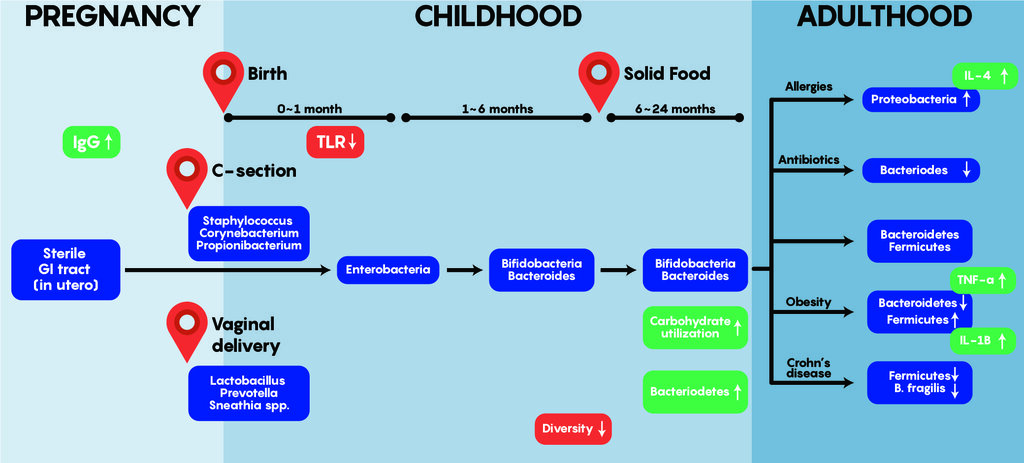
You aren't born with a fully formed microbiome. The colonization process begins the moment you enter the world. During a vaginal birth, a baby is exposed to the mother's vaginal and fecal microbes, which gives the microbiome its first big boost. Babies born via C-section are first exposed to microbes from the skin and the hospital environment, leading to a different initial community.
Early diet is also crucial. Breast milk contains special sugars called human milk oligosaccharides (HMOs) that aren't for the baby, but for feeding specific beneficial bacteria, like Bifidobacterium. Formula-fed infants tend to develop a different, often less diverse, microbial community early on.
As a child grows, introduces solid foods, and interacts with the environment (playing in the dirt, having pets), their microbiome diversifies. By about age three, it begins to resemble a stable, adult-like microbiome, though it continues to change throughout life.
What Your Microbes Do For You
This inner community isn't just along for the ride. Your gut microbes are active participants in your daily health, performing jobs your body can't do on its own.
One of the most important roles is digestion. Humans lack the enzymes to break down certain complex carbohydrates, like the fiber found in plants. Your gut bacteria, however, are experts at fermenting these fibers. In the process, they produce beneficial compounds called short-chain fatty acids (SCFAs), which serve as a primary energy source for the cells lining your colon and have wide-ranging health benefits.
Beyond digestion, the microbiome is essential for a properly functioning immune system. From birth, these microbes help “train” your immune cells to distinguish between friendly bacteria and harmful invaders. This constant communication helps prevent your immune system from overreacting to harmless substances, while keeping it ready to fight off pathogens. A healthy microbiome essentially creates a barrier, crowding out and fighting off disease-causing bacteria.
A Shifting Community
While your microbiome is relatively stable in adulthood, it's not set in stone. It can be influenced by many factors, making it a dynamic reflection of your life.
| Factor | Impact on Microbiome |
|---|---|
| Diet | The most powerful influence. A high-fiber diet feeds diverse beneficial microbes, while diets high in sugar and processed foods can favor less desirable species. |
| Antibiotics | These drugs can be life-saving but act like a broad-spectrum bomb, wiping out both good and bad bacteria. The microbiome can take weeks or months to recover. |
| Genetics | Your genes can influence which types of microbes are more likely to thrive in your gut. |
| Environment | Where you live, who you live with, and whether you have pets can all shape the composition of your microbial community. |
| Lifestyle | Factors like exercise, stress levels, and sleep patterns have all been shown to affect the balance of gut microbes. |
Studying the Invisible World
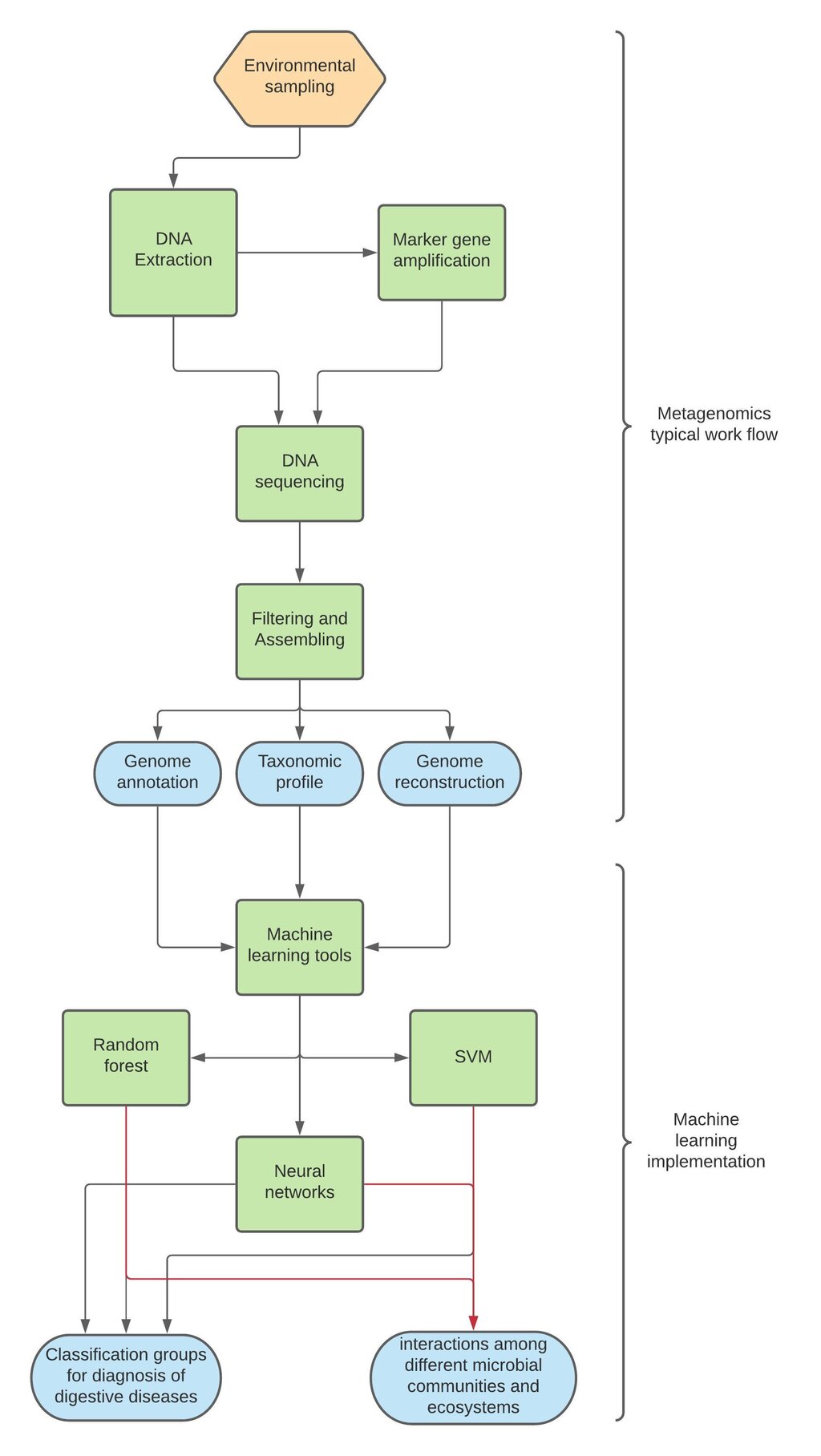
So how do we know any of this? Scientists study the microbiome primarily by analyzing stool samples, which provide a good snapshot of the community living in the colon.
The main technique involves DNA sequencing. One common method is 16S rRNA sequencing. The 16S rRNA gene is a specific genetic marker found in all bacteria and archaea, but it has unique variations between species. By sequencing this one gene, researchers can identify which types of bacteria are present.
For a deeper look, scientists use shotgun metagenomic sequencing. This method sequences all the DNA in a sample, not just one gene. This tells us not only who is there (the species) but also what they might be doing (their functional capabilities), because it captures all their genes.
After sequencing, powerful bioinformatics tools are used to process the massive amounts of data, helping researchers piece together the puzzle of this complex ecosystem.
Now that you understand the basics of what the microbiome is and how it works, let's test your knowledge.
The gut microbiome is a complex ecosystem composed of bacteria, archaea, viruses, and ______.
True or False: A person's gut microbiome is fully formed at birth and remains static throughout their life.
Understanding the gut microbiome is the first step toward appreciating its profound impact on our well-being. This bustling inner world is a fundamental part of what makes you, you.