The Great Wars Explained
Pre-War Europe
A New Kind of Nation
Before the 19th century, people's loyalties were often tied to a king, a city, or a religion. But a powerful new idea swept across Europe: nationalism. The belief was that people who shared a common language, culture, and history belonged together in a single, independent nation-state.
This idea fueled the unification of countries like Germany and Italy, which had previously been patchworks of smaller states. It also stirred desires for independence among ethnic groups living within large, multi-ethnic empires like Austria-Hungary and the Ottoman Empire.
nationalism
noun
Identification with one's own nation and support for its interests, often to the exclusion or detriment of the interests of other nations.
While nationalism created a sense of unity and pride within nations, it also fostered intense competition and rivalry between them. Each country wanted to prove its superiority, setting the stage for conflict.
The Scramble for Power
This national rivalry spilled over into a global competition for colonies, a trend known as imperialism. European powers sought to expand their influence and control over territories in Africa, Asia, and the Pacific. Colonies were a source of raw materials for factories, new markets for manufactured goods, and a symbol of national prestige.
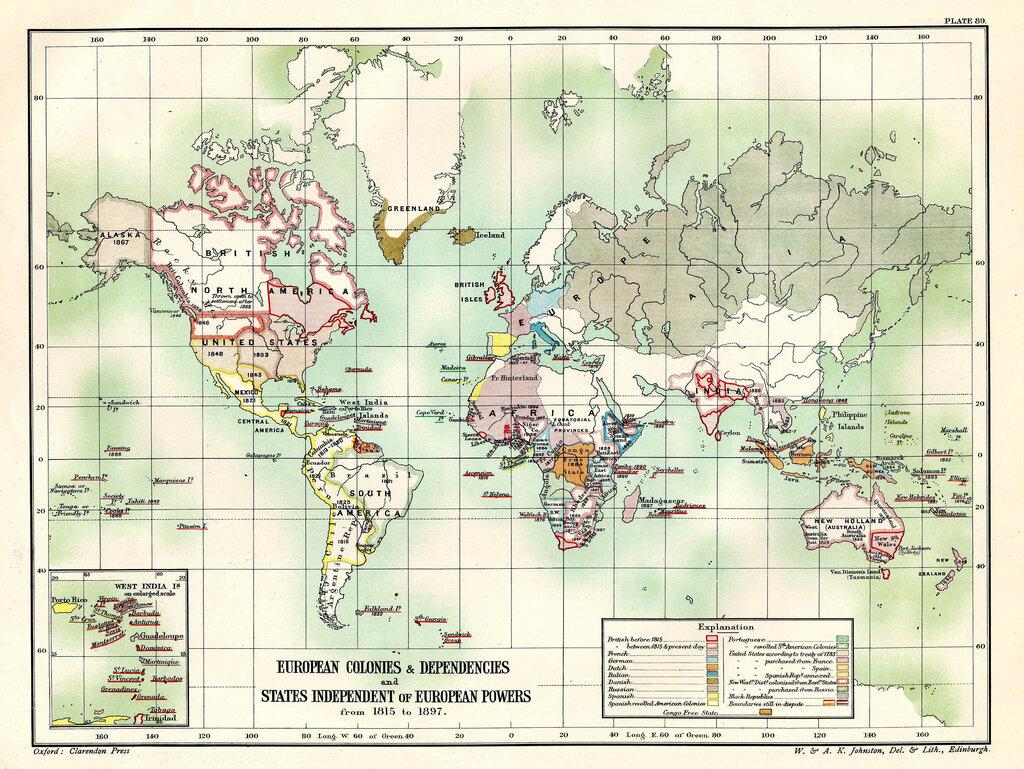
The
This scramble for territory led to frequent clashes and diplomatic crises. Britain and France nearly went to war over control of the Nile River, while Germany's late entry into the colonial race created friction with the established powers. These imperial rivalries heightened tensions back in Europe.
An Arms Race
To protect their sprawling empires and assert their dominance, European nations engaged in militarism, the policy of building up a strong military to be prepared for war. This led to a massive arms race, particularly between Great Britain and Germany.
Britain, an island nation with a vast overseas empire, had long relied on its powerful navy. When Germany began to build a large, modern fleet of its own, Britain saw it as a direct threat. The two nations entered a costly naval race, each trying to build more and bigger warships.
On land, armies grew in size and sophistication. Industrialization made it possible to mass-produce new and deadlier weapons like machine guns, long-range artillery, and chemical weapons. Military leaders developed complex war plans, and a sense of inevitability began to surround the idea of a major European war.
A Web of Alliances
Growing fear and suspicion drove nations to seek security through alliances. By the early 20th century, Europe was divided into two armed camps. These agreements were meant to be defensive, but they created a rigid system that could easily pull the entire continent into conflict over a single dispute.
The first major bloc was the Triple Alliance, formed by Germany, Austria-Hungary, and Italy. In response, Great Britain, France, and Russia formed the Triple Entente.
This division meant that a conflict between two nations could quickly escalate. An attack on one was considered an attack on all its allies, creating a domino effect that made war more likely.
The Balkan Powder Keg
One of the most unstable regions in Europe was the Balkan Peninsula. For centuries, it had been dominated by the Ottoman Empire, but by the late 19th century, the empire was in steep decline, earning it the nickname "the sick man of Europe."
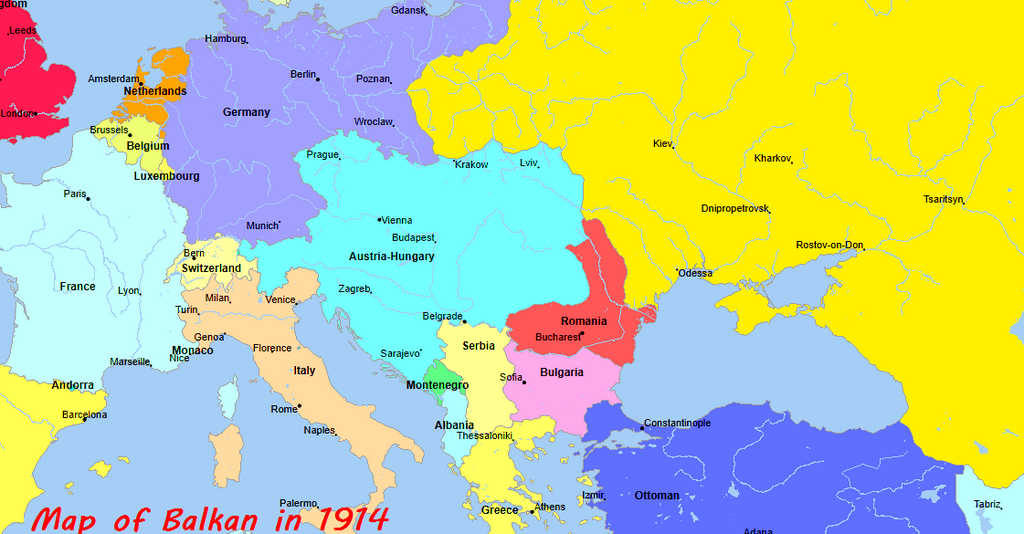
As Ottoman power faded, newly independent Balkan states like Serbia, Bulgaria, and Greece sought to expand their borders. This created intense nationalist rivalries among them. Furthermore, the two great powers of Austria-Hungary and Russia both had ambitions in the region.
Russia, seeing itself as the protector of the Slavic peoples, supported Serbia. Austria-Hungary, a diverse empire with its own large Slavic population, feared Serbian nationalism and aimed to suppress it. This clash of interests made the Balkans a "powder keg" waiting for a spark to ignite a wider conflict.
Ready to test your understanding?
The belief that people sharing a common language, culture, and history belong together in a single, independent state is known as:
Which of the following was NOT a primary motivation for European imperialism in the late 19th and early 20th centuries?
These interconnected forces of nationalism, imperialism, militarism, and complex alliances created a deeply unstable Europe. The continent was primed for a conflict that would reshape the world.