The Great Reading Debate
Foundations of Reading Instruction
How We Learn to Read
For much of history, learning to read was a privilege reserved for a select few. The methods were simple: memorize letters, then words, then entire texts. Think of early primers and hornbooks, which focused on the alphabet and religious verses. Instruction was often a slow, painstaking process of rote memorization.
As education became more widespread, people started thinking more systematically about how to teach reading. Instead of just memorizing whole words, a new approach began to take hold. It was based on a simple but powerful idea: the sounds that make up our spoken language.
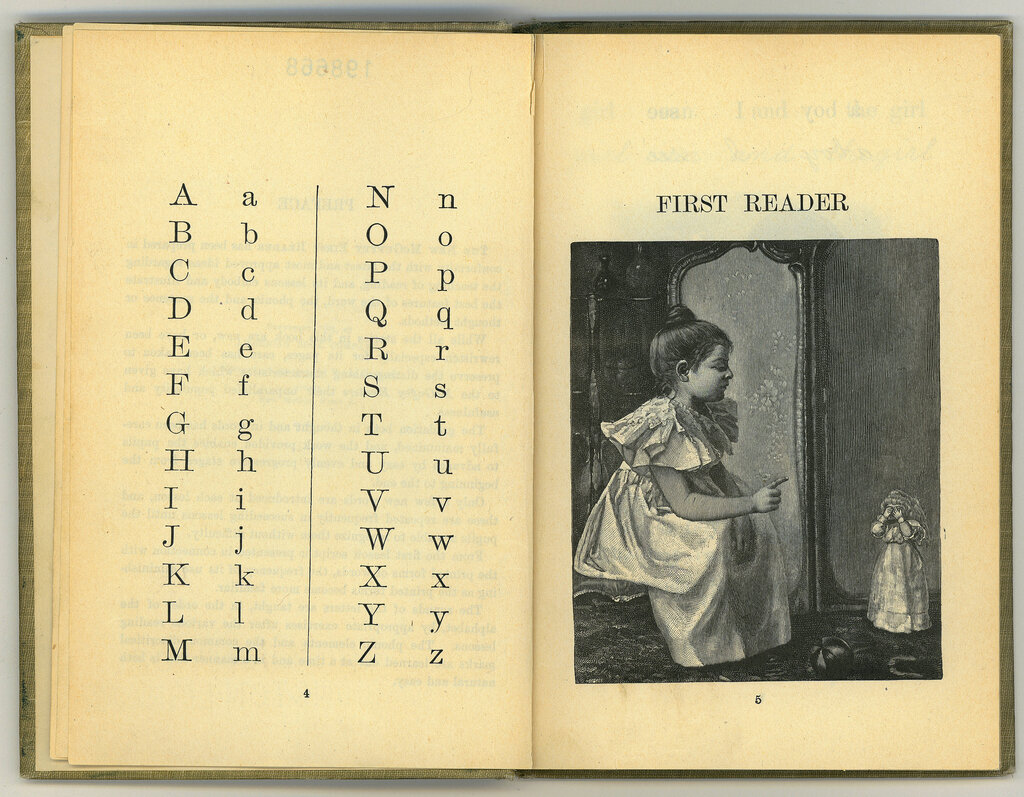
Sounding It Out
This sound-based approach is called phonics. The core principle of phonics is that there's a predictable relationship between letters (or letter combinations) and the individual sounds of a language. If you can learn those relationships, you can puzzle out, or decode, words you've never seen before.
phoneme
noun
The smallest unit of sound in a language that can distinguish one word from another.
Phonics instruction is systematic and explicit. Students learn letter sounds in a specific sequence. They learn that the letter 'b' makes a /b/ sound and the letter 'm' makes a /m/ sound. They practice blending these sounds together to read words like 'mat' () and swapping sounds to create new words like 'bat' or 'map'.
This method breaks reading down into manageable building blocks. The goal is to give students a reliable toolkit for tackling unfamiliar text, rather than requiring them to memorize every single word.
In phonics, learning the code is the key to unlocking the words on the page.
Reading for Meaning
By the mid-20th century, some educators felt that phonics was too mechanical. They argued that it focused so much on decoding individual letters and sounds that it missed the whole point of reading: making meaning.
This led to the rise of the whole language approach. Proponents of whole language believe that learning to read is a natural process, much like learning to speak. They argue that children can learn to read by being immersed in a print-rich environment filled with interesting books and stories.
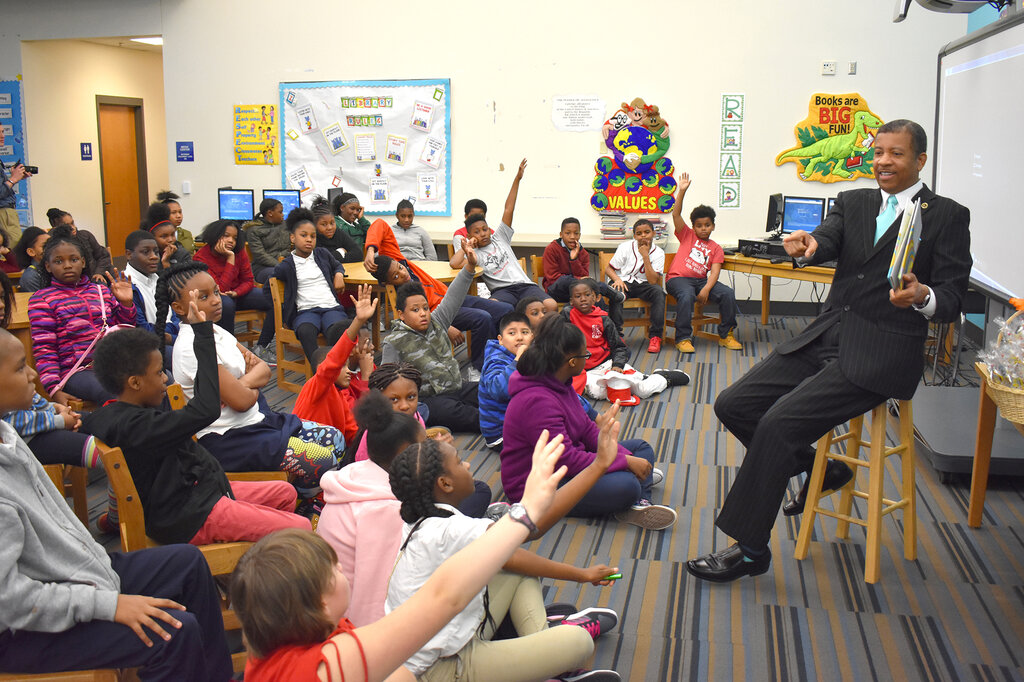
In a whole language classroom, you’re less likely to see drills on letter sounds. Instead, you'll see children reading whole books, even if they can't decode every word. They're encouraged to use context clues, pictures, and their own background knowledge to guess unfamiliar words. The emphasis is on comprehension and fostering a love of reading from the very beginning.
The whole language philosophy suggests that readers should use all available clues—not just phonics—to understand a text.
These two approaches, one focused on the parts and the other on the whole, represent fundamentally different beliefs about how reading works. For decades, they have formed the basis of a passionate debate about the best way to teach a child to read.
What is the core principle of the phonics approach to teaching reading?
A teacher encourages a student who is stuck on a word to look at the pictures in the book and think about what would make sense in the story. This teacher is most likely using which approach?
Understanding these foundational philosophies is the first step in exploring how reading is taught today.