The Great Gatsby's American Dream
Introduction to the Jazz Age
The Roaring Twenties
The decade after World War I was a period of dramatic change in America. The 1920s, often called the Jazz Age or the Roaring Twenties, felt like a ten-year party. The country was shedding its old, conservative skin for something new, exciting, and a little reckless. A wave of prosperity washed over the nation, and for many, it seemed like the good times would never end.
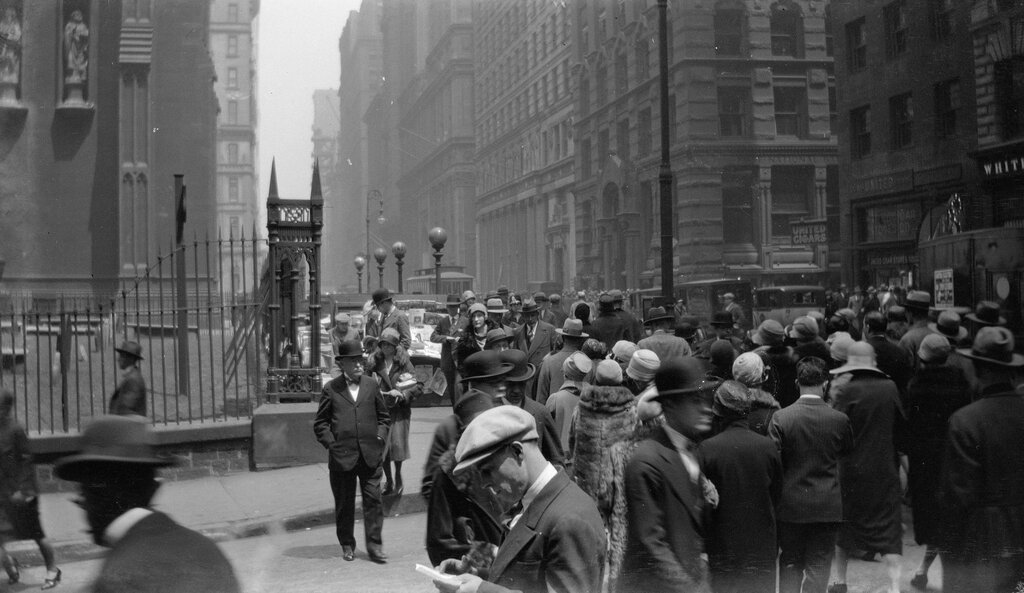
This era was a study in contradictions. It was a time of glittering wealth and soaring optimism, but also of deep social tensions. New technologies were changing daily life, while new cultural movements challenged traditional values. To understand a story like The Great Gatsby, we first need to understand the vibrant, chaotic world it was born from.
An Economy on Fire
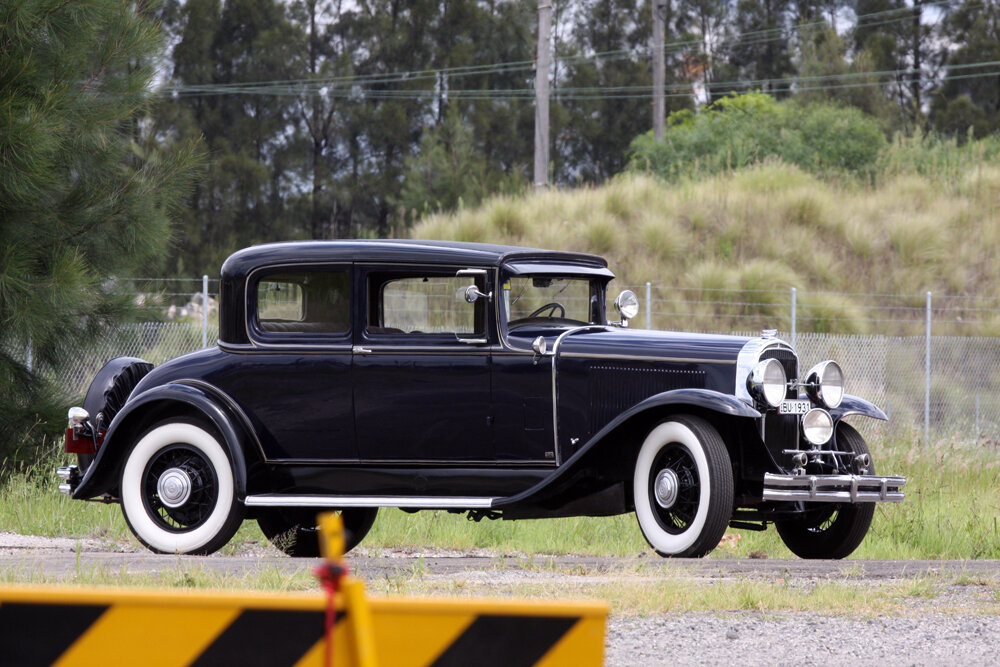
For the first time, America became a true consumer society. Thanks to mass production, things like automobiles and radios, once luxuries for the rich, became accessible to the middle class. Henry Ford’s assembly line didn't just build cars; it built a new way of life. Families could travel like never before, leading to the growth of suburbs and a new sense of freedom.
The stock market became a national obsession. Stories of ordinary people getting rich overnight fueled a speculative frenzy. It felt like an easy path to wealth, and many Americans invested their savings, borrowing money to buy more stocks. This created a massive economic bubble, inflating with the confidence and optimism of the decade.
The Great Experiment
In 1920, the 18th Amendment to the Constitution went into effect, banning the manufacture, sale, and transportation of alcoholic beverages. This nationwide ban, known as Prohibition, was meant to reduce crime and improve public health. The result was the exact opposite.
Instead of stopping people from drinking, Prohibition drove it underground. Secret bars called "speakeasies" flourished in every city, operating behind hidden doors and requiring passwords for entry. The illegal liquor trade, or "bootlegging," became a massive, profitable business, fueling the rise of organized crime syndicates. The law turned millions of ordinary citizens into lawbreakers.
Prohibition created a world where glamour and crime often mixed, and where illegal fortunes could be made by those daring enough to break the rules.
A New Culture
The era got its name from the music that defined it: jazz. Born in the African American communities of New Orleans, jazz music spread across the country, becoming the soundtrack for the decade's wild energy. Its syncopated rhythms and improvisational style were revolutionary, a perfect match for a society breaking from its rigid past.
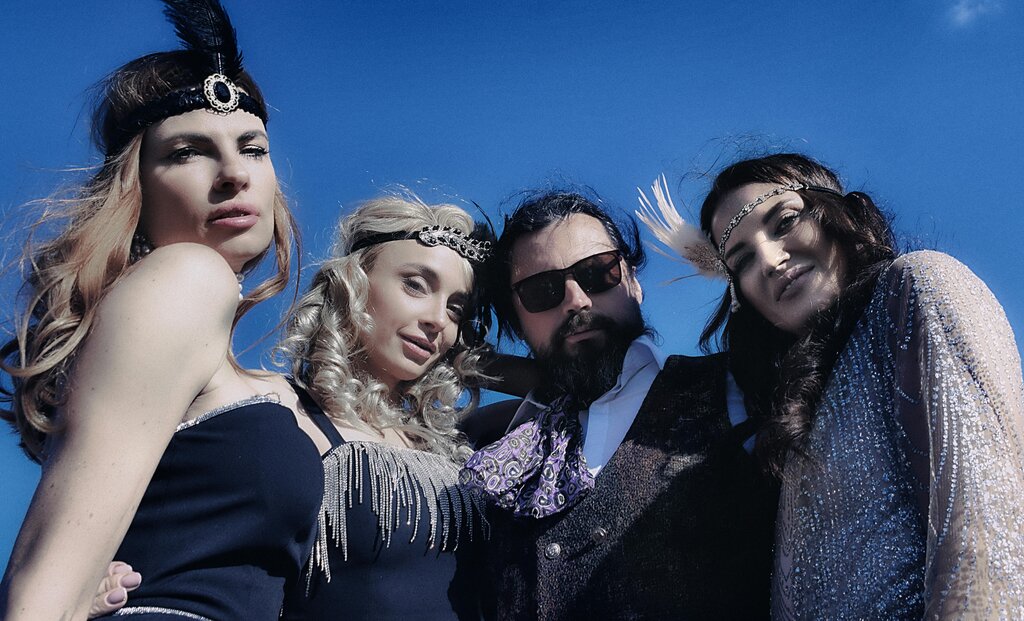
This cultural shift was embodied by the "flapper." A new icon of womanhood, the flapper rejected the demure expectations of previous generations. She cut her hair short into a bob, wore shorter skirts, and listened to jazz. She smoked cigarettes and drank alcohol in public, asserting a new social and economic independence that was both celebrated and condemned.
flapper
noun
A fashionable young woman in the 1920s who embraced an energetic freedom, enjoying a lifestyle viewed by many at the time as outrageous, immoral, or dangerous.
The Jazz Age was a dazzling, fast-paced decade of invention and excess. It was a time when the American Dream seemed tangible, when old rules were being rewritten, and when the party, for a little while, felt like it would go on forever.