The Great Divide: Origins and Paths of Global Christianity
The First Millennium Church
A Church of Five Centers
For much of its first thousand years, the Christian Church wasn't a single, top-down organization. Instead, it was a communion of churches centered around five influential cities. This structure, known as the Pentarchy, was the backbone of early Christian governance. The five great centers, or patriarchates, were Rome, Constantinople, Alexandria, Antioch, and Jerusalem.
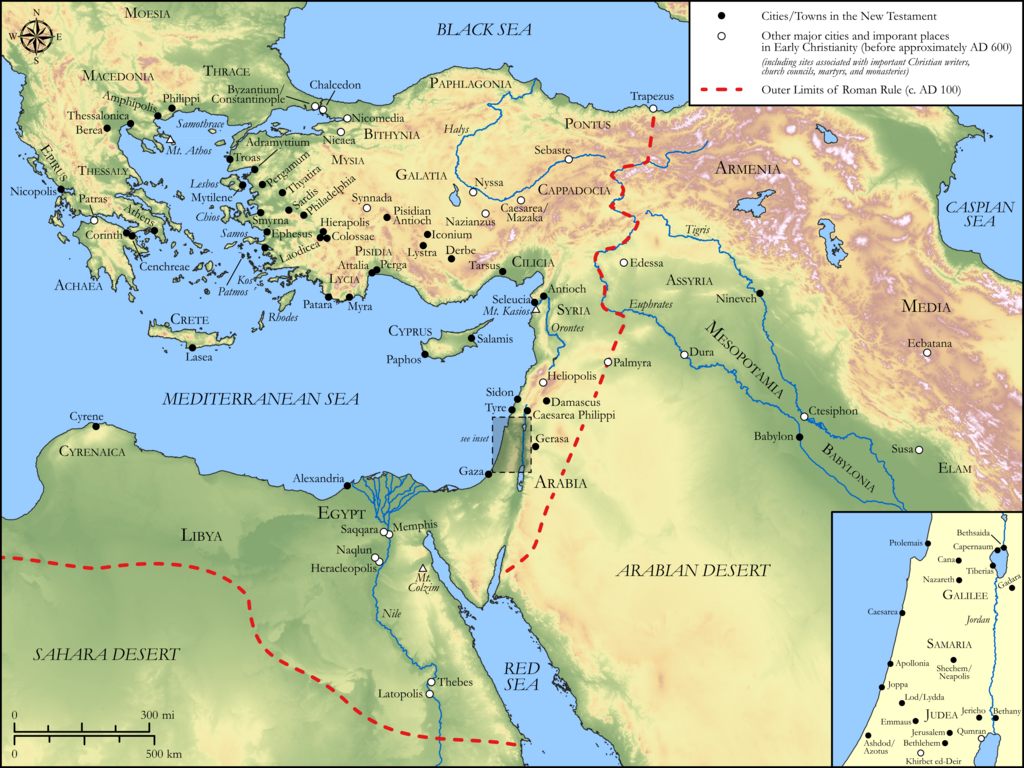
Each of these cities was led by a patriarch or bishop. Their authority wasn't arbitrary; it was rooted in the idea of apostolic succession — the belief that the bishops were the spiritual successors of the original apostles. This direct link was seen as a guarantee of correct doctrine and practice. Rome's bishop held a special
primacy of honor
because of the city’s historical importance and its connection to the apostles Peter and Paul. However, this was a position of respect, not absolute power.
Unity Through Councils
How did this decentralized network stay unified? When major theological disputes arose that threatened to splinter the faith, the church convened Ecumenical Councils — massive gatherings of bishops from across the Christian world.
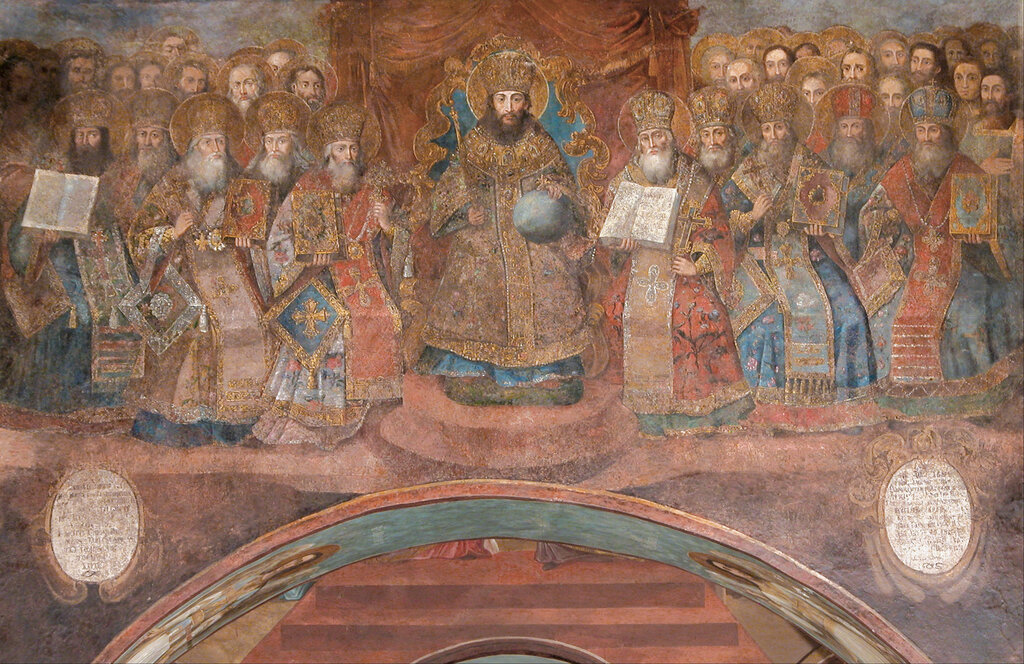
These councils were the ultimate authority. The first, held in Nicaea in 325, addressed the nature of Christ and produced the Nicene Creed. Later councils, like the one at Chalcedon in 451, further refined core doctrines. This model of governance is called conciliarity. It holds that the highest authority in the Church rests with the collective body of bishops, not a single individual. Decisions were made together, as a council.
In this early model, the Pope, the Bishop of Rome, was seen as the 'first among equals,' not an absolute monarch with universal jurisdiction over the entire church.
A Shift in the Balance
This five-centered structure was dramatically altered by events in the 7th century. The rapid Arab conquests saw three of the five ancient patriarchates — Alexandria, Antioch, and Jerusalem — fall under Muslim rule. While Christian communities survived, the political and religious influence of these centers waned significantly.
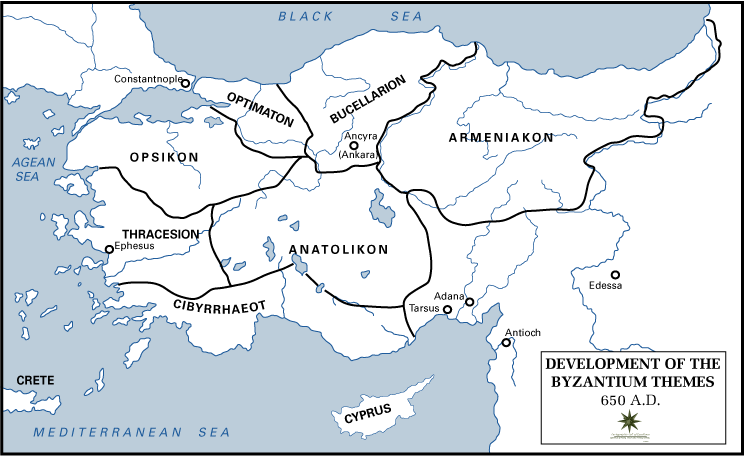
This left Rome and Constantinople as the two dominant poles of the Christian world. The relationship between them became the defining axis of church politics. Over time, the Bishop of Rome began to assert a stronger claim to authority, not just a primacy of honor, but one of — the idea that his authority extended over every church, everywhere. This was a significant departure from the conciliar model of the early centuries and planted the seeds for future division between the Latin-speaking West and the Greek-speaking East.
Understanding this foundational era of the Pentarchy and conciliar leadership is crucial. The Roman Catholic, Eastern Orthodox, and even Protestant traditions all trace their heritage back to this undivided church, though they interpret its structure of authority very differently.