The Great Depression Explained
Economic Conditions Before 1929
The Roaring Twenties
The decade before the Great Depression was anything but depressing. The 1920s, often called the “Roaring Twenties,” was a period of dramatic economic growth and social change in the United States. After World War I, American industry switched from producing war materials to consumer goods, and factories began humming with unprecedented productivity.
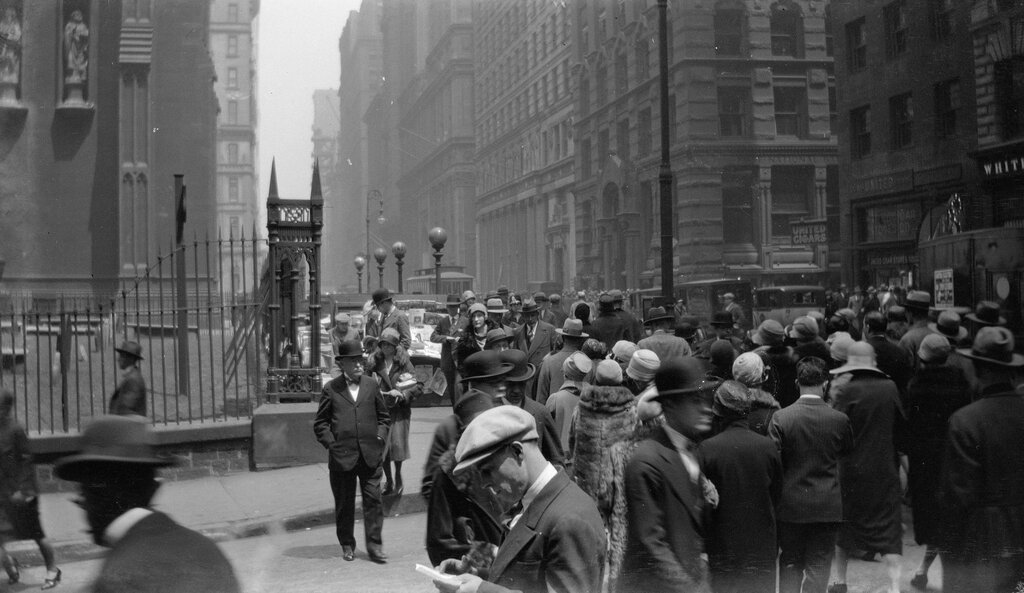
The automobile industry, led by Henry Ford, was a major engine of this growth. The assembly line made cars affordable for the average family, which in turn spurred the growth of related industries like steel, rubber, and oil. The construction of roads, bridges, and new suburban homes also boomed. This industrial expansion created jobs and generated a new sense of prosperity for many Americans.
A New Way of Life
Technological innovation was at the heart of the boom. The widespread adoption of electricity transformed daily life and manufacturing. Factories became more efficient, and American homes began to fill with new, time-saving appliances.
For the first time, millions of people owned refrigerators, vacuum cleaners, and washing machines. Radios became a household staple, connecting the country through news and entertainment.
This wave of new products created a powerful consumer culture. To get these goods into people's hands, businesses turned to a powerful new tool: consumer credit. Before the 1920s, most Americans saved up to buy expensive items. Now, the concept of “buy now, pay later” took hold. Installment plans allowed people to purchase everything from cars to furniture with a small down payment, paying off the rest in monthly installments. This easy credit fueled a massive spending spree, but it also meant that personal debt levels rose to new heights.
The Great Bull Market
Nowhere was the optimism of the 1920s more visible than in the stock market. As companies earned record profits, their stock prices soared. The market became a national obsession, with stories of ordinary people getting rich quick. This excitement created a speculative bubble, where stock prices were driven far beyond their actual value based on company performance.
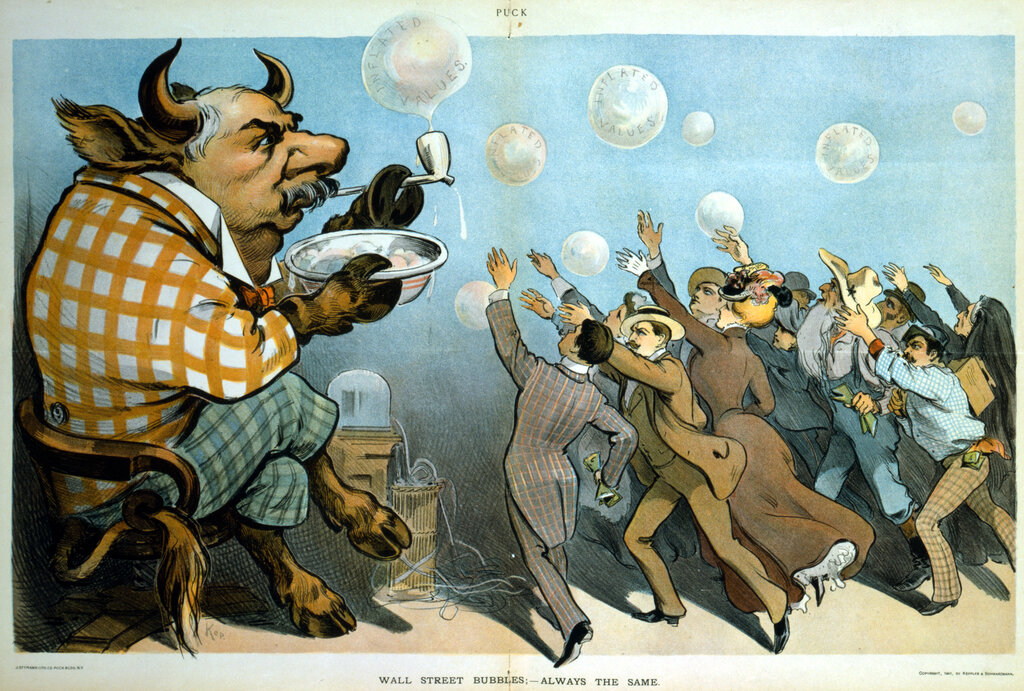
Speculation is buying something with the hope of selling it quickly for a profit, rather than holding it for its long-term value. Many investors weren't interested in a company's health; they just wanted to ride the wave of rising prices.
A risky practice called “buying on margin” added fuel to the fire. It allowed investors to buy stock by borrowing money from a broker, often putting down as little as 10% of the purchase price. If the stock price went up, the investor could sell, repay the loan, and keep a handsome profit. But if the stock price fell, the broker would issue a “margin call,” demanding the investor repay the loan immediately. This system was incredibly risky and left both investors and brokers vulnerable to a market downturn.
The combination of rapid growth, easy credit, and rampant stock market speculation created an economy that looked incredibly strong on the surface, but was built on a shaky foundation.
Let's review the key terms from this period.
Now, check your understanding of the economic climate before the crash.
The assembly line, pioneered by Henry Ford, made which product widely affordable and spurred growth in related industries like steel and oil?
What major shift in consumer behavior became common in the 1920s, allowing people to acquire goods like cars and furniture without paying the full price upfront?
The prosperity of the Roaring Twenties set the stage for one of the most dramatic economic collapses in history. While the boom created immense wealth, its underlying weaknesses would soon be exposed.