The Great Depression and the New Deal
Introduction to the Great Depression
The Crash and the Crisis
The 1920s had been a decade of exhilarating growth for many parts of the world. But that prosperity was built on a fragile foundation. In October 1929, the foundation cracked. The New York Stock Exchange, the engine of American finance, began to plummet. On October 29, a day that would become known as Black Tuesday, the market completely collapsed, wiping out fortunes overnight.
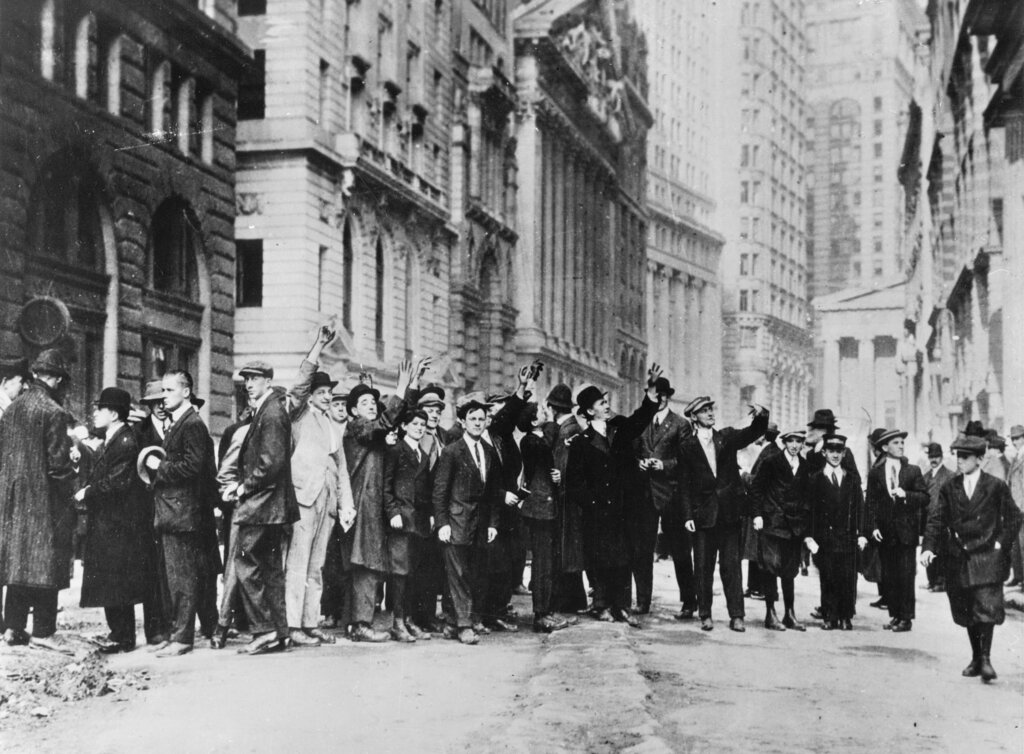
This wasn't just a problem for wealthy investors. The stock market crash was the spark that ignited a global economic firestorm known as the Great Depression. It was the longest and most severe economic downturn in modern history, lasting over a decade.
The Great Crash was followed by the Great Depression, the biggest setback to the global economy since the dawn of the modern industrial age in the middle of the 18th century.
The Domino Effect
With confidence shattered, a wave of panic swept across the United States and then the world. People rushed to their banks to withdraw their savings, fearing the banks themselves would fail. This created a self-fulfilling prophecy. A "bank run" could drain a healthy bank of its cash, causing it to collapse.
When a bank failed, its depositors lost everything. There was no government insurance to protect their savings.
Thousands of banks failed, taking with them the life savings of millions of ordinary families. This banking crisis crippled the economy. With no money to lend, businesses couldn't invest or expand. Many couldn't even afford to pay their workers, so they shut down. The economic dominoes fell, one after another, across industries and across oceans.
The Human Cost
The most devastating consequence of the Great Depression was mass unemployment. As businesses closed their doors, millions of people lost their jobs. In the United States, the unemployment rate soared from just over 3% in 1929 to a staggering 25% by 1933. One in every four workers was jobless.
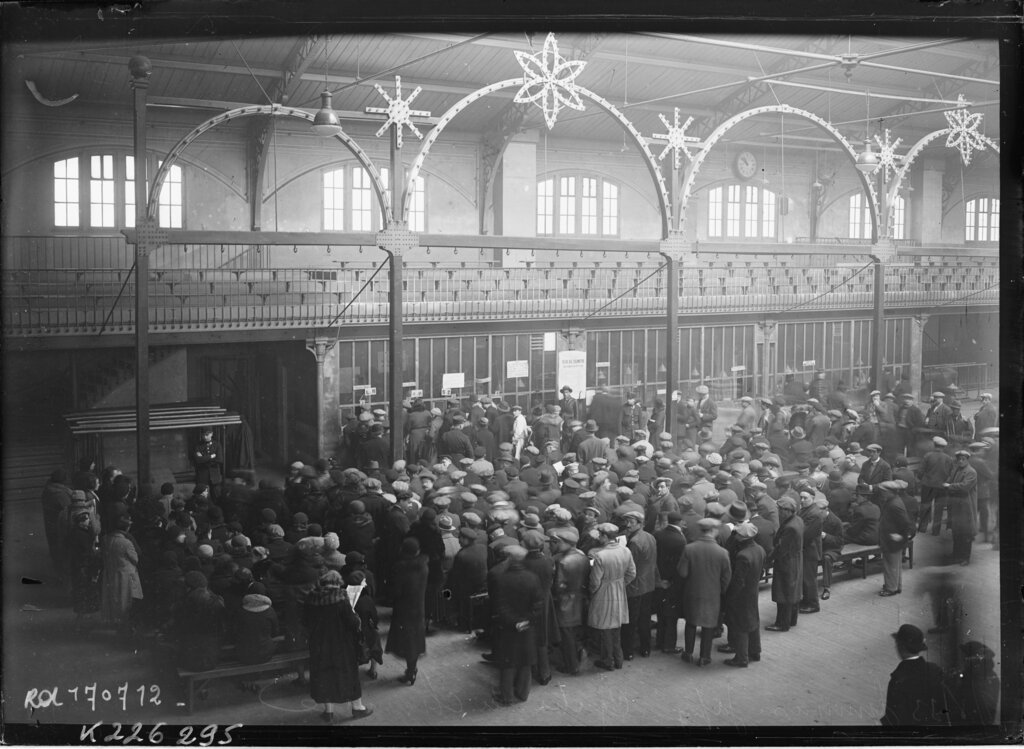
This wasn't an isolated American event. The crisis was global. Industrialized nations that relied on international trade were hit particularly hard. The collapse in demand and the rise of trade barriers choked off the global economy.
| Country | Unemployment Rate (1932) |
|---|---|
| Germany | 30.1% |
| United Kingdom | 17.6% |
| United States | 24.1% |
| Sweden | 16.2% |
Widespread unemployment led to extreme poverty and hardship. Families lost their homes and farms. People went hungry. Shanty towns, nicknamed "Hoovervilles" in the U.S., sprang up on the outskirts of cities. The social fabric of nations was stretched to its breaking point, fundamentally changing governments and societies for decades to come.