The Great Depression
Banking Contagion Analysis
The Great Banking Collapse
The 1929 stock market crash was merely the opening act for a far more devastating catastrophe that dismantled the global financial system. In this chapter, we will look past the headlines to uncover why a series of bank failures spiraled into a total liquidity crisis, crippled by the Federal Reserve's inaction. By the end, you will understand how these structural failures decimated the money supply and transformed a recession into the Great Depression.
The Psychology of Panic
By 1930, the roar of the twenties had been replaced by a deafening silence in the American economy. The stock market crash was painful, but the true terror lived on Main Street. It began as a psychological shift. People who once viewed their local as a vault of safety began to see it as a black hole.
This fear manifested in the : a visceral, desperate scene where hundreds of people lined up on sidewalks, sometimes for blocks, waiting to pull their life savings out before the doors locked forever. These weren't just financial transactions; they were acts of survival fueled by a total breakdown in trust.
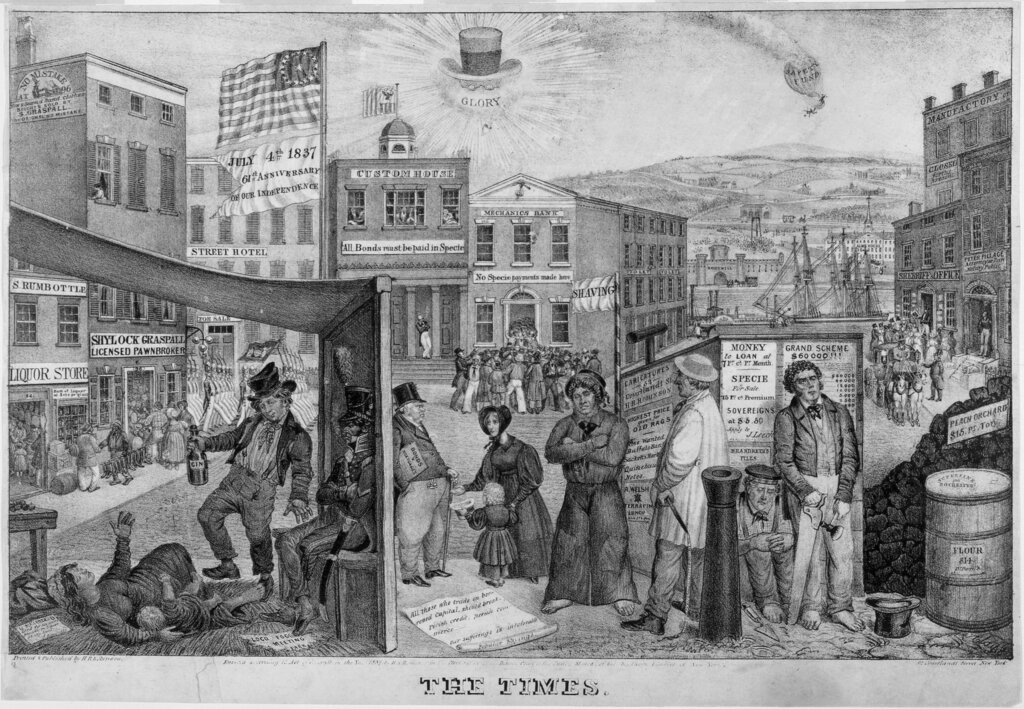
The Anatomy of a Liquidity Crisis
To understand why these runs were so lethal, we have to look at how a bank actually functions. Banks operate on a system of fractional reserves. When you deposit $100, the bank doesn't keep $100 in the drawer. They keep a small fraction in cash and lend the rest out as long-term assets, like mortgages or business loans. This works perfectly until everyone wants their cash at the same time.
Drag the slider to increase withdrawal pressure and observe how cash reserves are depleted before illiquid assets are forced into sale.
In the early 1930s, banks faced a massive liquidity crisis. As panic spread, banks were forced to sell their assets—the loans they had given out—to raise cash. But selling a 30-year mortgage in a hurry is nearly impossible without taking a massive loss. This created a domino effect. When one bank failed, it didn't just hurt its own customers; it signaled to the neighbors of the next bank that their money might be at risk too. Even healthy, solvent banks were pulled under by the sheer weight of the panic.
The Federal Reserve's Great Mistake
This is where the Federal Reserve was supposed to step in. Created to be the lender of last resort, the Fed had the power to pump cash into the system to stop the bleeding. Instead, they did the opposite. Bound by a strict adherence to the gold standard and a fear of inflation, the Fed maintained a restrictive monetary policy.
solvent
adjective
Having assets in excess of liabilities; able to pay one's debts.
Between 1929 and 1933, thousands of banks failed, and with it, the economy’s credit supply.
While the market was gasping for air, the Fed effectively held the pillow over its face. By refusing to lower interest rates or inject liquidity, they allowed the money supply to shrink by nearly one-third. This wasn't just a technical error; it was a systemic failure that turned a downturn into a decade-long disaster. The disappearing money meant businesses couldn't borrow, consumers couldn't spend, and the economy continued its downward spiral.
The institutional failures of the early 1930s proved that a financial system is only as strong as the confidence people have in it. When that trust vanished and the central authorities failed to act, the very medium of exchange—money itself—began to disappear from the American economy.