The Grateful Dead Phenomenon
Origins and Early Years
The Warlocks Assemble
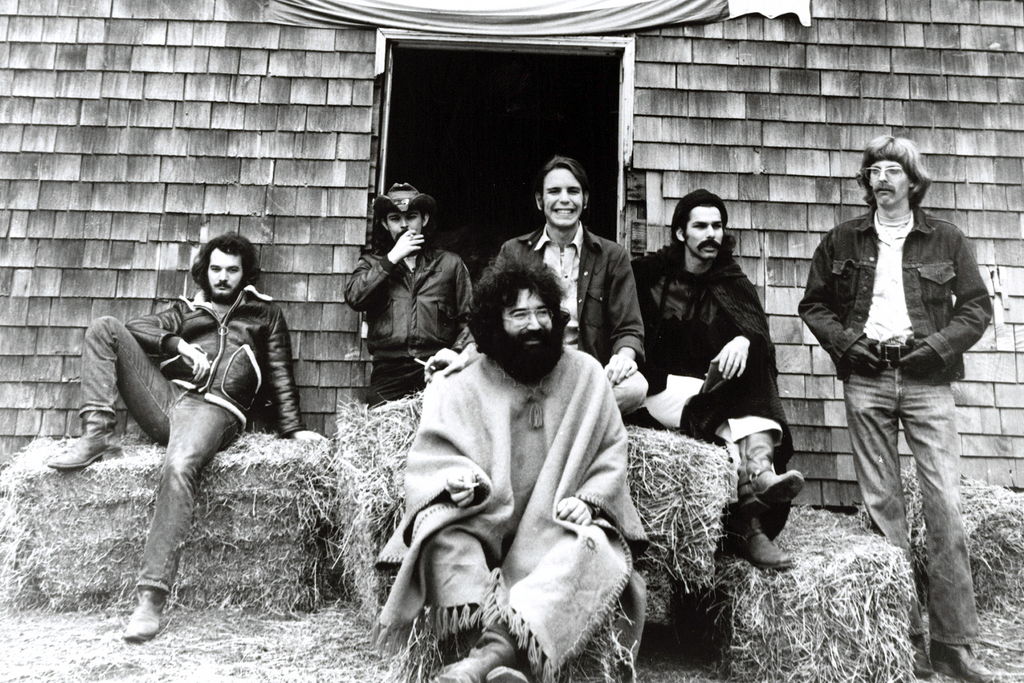
In 1965, the Bay Area music scene was a vibrant mix of folk, blues, and rock and roll. Out of this creative soup emerged a band first known as The Warlocks. The group formed in Palo Alto, California, around a shared love for eclectic sounds.
At its core was Jerry Garcia, a guitarist deeply rooted in American folk and bluegrass. He was joined by Bob Weir on rhythm guitar, Ron 'Pigpen' McKernan on keyboards and vocals, Phil Lesh on bass, and Bill Kreutzmann on drums. Each member brought a distinct flavor. Pigpen was a devoted bluesman, channeling gritty performers like Howlin' Wolf. Lesh, with his background in avant-garde and classical composition, approached the bass with a unique, melodic style. Weir and Kreutzmann provided the rock and roll backbone.
This blend of influences was unusual. They weren't just a rock band; they were a fusion of American musical traditions. They could shift from a rollicking country tune to a long, exploratory blues jam in the same set. After discovering another band was using the name The Warlocks, Garcia famously found their new name in a dictionary: Grateful Dead.
Heart of the Counterculture
The band soon relocated to the Haight-Ashbury district of San Francisco, the epicenter of the 1960s counterculture movement. They became the unofficial house band for a generation seeking new forms of expression and consciousness. Their music was the soundtrack to a social experiment.
They often played free shows in public parks, fostering a sense of community and shared experience. This environment wasn't just a backdrop for their music; it actively shaped it. The band and their audience were part of the same unfolding event, breaking down the barrier between performer and spectator.
The Acid Tests
A key influence on their development was their involvement with Ken Kesey and the Merry Pranksters. Kesey, an author, and his followers hosted a series of parties called the Acid Tests. These events were multimedia happenings, combining light shows, experimental films, and psychedelic substances, chiefly LSD, which was legal at the time.
The Grateful Dead provided the live music. The environment was chaotic and unpredictable, forcing the band to adapt. They had to play for hours on end, stretching songs into long, improvised journeys. There was no setlist, no formal structure. They learned to listen to each other and to the energy of the room, creating music in the moment.
This experience was the crucible where their signature sound was forged. The long, free-form jams that would become their trademark were born out of the necessity of playing in a space that defied all conventions.
The Acid Tests weren't concerts in the traditional sense. They were immersive, unpredictable environments where the band's job was to explore sound without a map, reacting to the moment.
Ready to review the key people and events from the band's early days?
Let's see what you remember about the formation of the Grateful Dead.
What was the original name of the band that would become the Grateful Dead?
Which founding member brought a background in avant-garde and classical composition to his role as bassist?
From their roots in Palo Alto to the wild experiments of the Acid Tests, the Grateful Dead's formative years established the improvisational and community-focused spirit that would define their entire career.