The Grateful Dead Experience
Origins and Formation
From Jug Band to Electric
The story of the Grateful Dead begins not with a roar, but with a twang. In the early 1960s, the San Francisco Bay Area was a hotbed of folk and bluegrass music. At the center of this scene was a young banjo and guitar player named Jerry Garcia. He was a regular at Dana Morgan's Music Store in Palo Alto, where he gave lessons and soaked up traditional American music.
It was here that the seeds of the band were sown. Garcia formed a jug band, Mother McCree's Uptown Jug Champions, with a teenage guitarist named Bob Weir and a blues-obsessed harmonica player and singer, Ron 'Pigpen' McKernan. Pigpen, whose father was an R&B disc jockey, brought a raw, soulful energy that contrasted with the folk purism of the time. They were joined by Bill Kreutzmann on drums.
This initial lineup combined Garcia's bluegrass roots, Weir's budding interest in rock, and Pigpen's deep knowledge of the blues.
The final piece of the puzzle was Phil Lesh, a friend of Garcia's with a completely different background. Lesh was a classically trained trumpeter who studied avant-garde and electronic music. He had never played bass guitar before, but Garcia convinced him to join. Lesh's unconventional approach to the bass, treating it more like a lead instrument, would become a hallmark of the band's sound.
The Acid Tests
As the folk scene waned, the influence of bands like The Beatles and The Rolling Stones pushed musicians toward electric instruments. Mother McCree's plugged in, renamed themselves The Warlocks, and began playing a loud, blues-infused rock and roll.
Their transformation coincided with another major cultural shift happening in the Bay Area: the rise of the counterculture. Author Ken Kesey and his group of friends, the Merry Pranksters, began hosting a series of parties called the Acid Tests. These were multimedia events designed to be unpredictable, immersive experiences, fueled by LSD, which was legal at the time.
In 1965, the Grateful Dead, initially known as the Warlocks, performed their first concerts as a jug band before sliding into a trippier groove and landing a spot at Kesey’s Acid Tests in La Honda, a tiny hamlet in the hills above Palo Alto, where Jerry Garcia gave guitar lessons at a music store on California Avenue.
The Warlocks became the house band for the Acid Tests. The unstructured, chaotic environment forced them to innovate. They learned to improvise for long stretches, responding to the energy of the crowd and each other. This is where they developed their signature style of extended, exploratory jams. They weren't just performing for an audience; they were providing the soundtrack for a collective experience.
Becoming the Grateful Dead
The band soon discovered another group was using the name The Warlocks. Needing a new identity, Garcia famously opened a Funk & Wagnalls dictionary and pointed to an entry: "Grateful Dead." The term, referring to a soul who is grateful to a mortal for arranging their burial, felt perfect. The Grateful Dead were born.
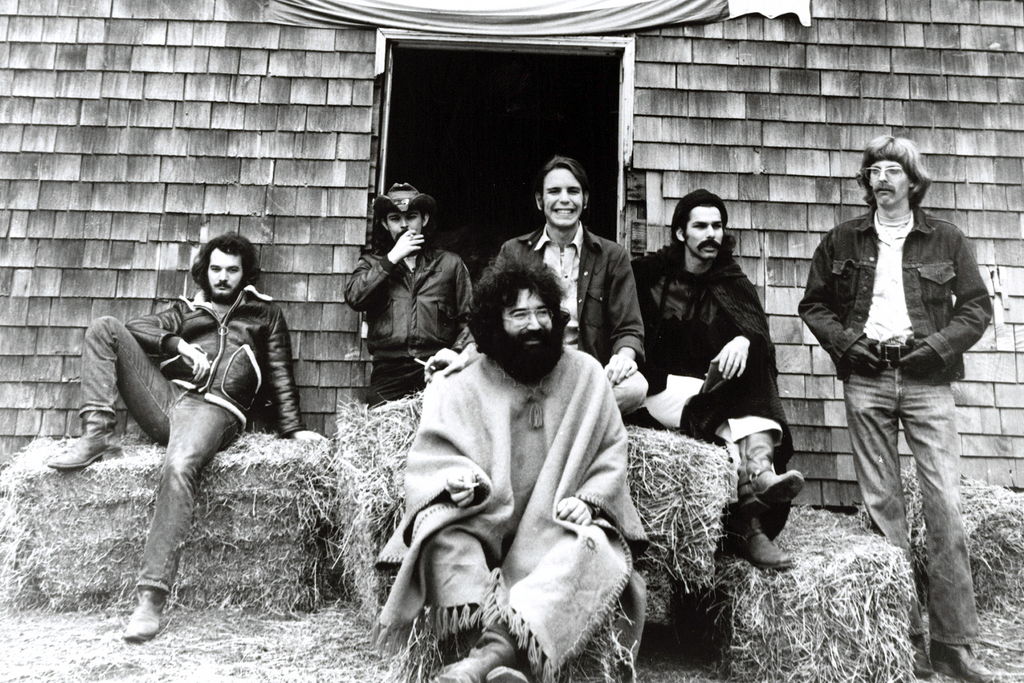
They became fixtures in the burgeoning Haight-Ashbury scene, playing at venues like the Fillmore Auditorium and the Avalon Ballroom. They were more than just a band; they were a community hub and a central pillar of the psychedelic movement. Their music was the sound of the 1960s counterculture in San Francisco, blending folk, blues, rock, and experimental noise into something entirely new. This unique foundation, built from diverse musical backgrounds and forged in the fire of the Acid Tests, set the stage for their decades-long journey.