The Grand Tour Explained
Origins and Purpose
The Ultimate Finishing School
Before universities had formal study abroad programs, there was the Grand Tour. From the 17th to the early 19th centuries, this extended journey through Europe became an essential rite of passage for wealthy young men, primarily from Britain. It was the capstone of a classical education, a transition from the world of books to the world of experience.
This tradition dates back to the 17th and 18th centuries, when it became very fashionable for wealthy young men (and later women too) to take the ‘Grand Tour’.
Think of it as the ultimate finishing school. A young gentleman had spent years studying Latin, Greek, ancient history, and philosophy. The Grand Tour was his chance to see the ruins of Rome, the sculptures of Florence, and the paintings of Paris firsthand. The journey wasn't a mere vacation; it was a carefully planned educational expedition that could last for months, or even years.
Walking Through History
The primary goal was to immerse the traveler in the cultural legacy of classical antiquity and the Renaissance. Italy was the ultimate destination. It was seen as the cradle of Western civilization, a living museum where one could walk among the ghosts of caesars and the masterpieces of Michelangelo.
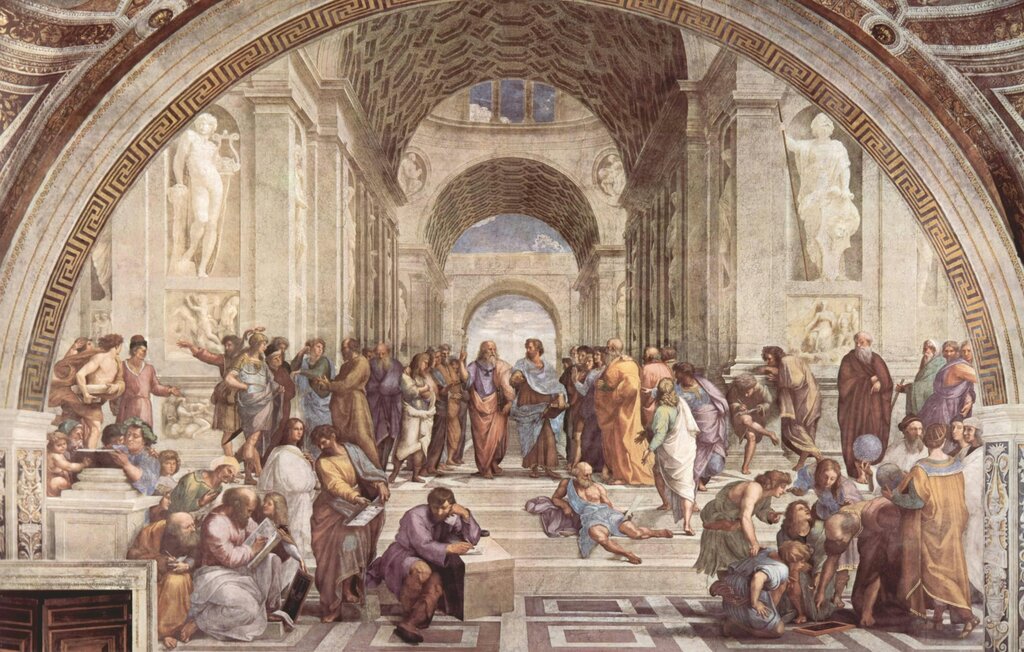
By visiting these sites, young men were expected to gain a deeper appreciation for history, art, and architecture. They sketched ancient ruins, commissioned their own portraits, and purchased antiquities to ship back home. This direct exposure was believed to cultivate taste, refine manners, and build character. It was about seeing the real thing, not just reading about it.
The Grand Tour encouraged students to travel to France, Italy or to Greece to see these things for themselves – to view the original paintings and to walk around famous buildings they had only seen images of in books before.
More Than Just Art
Beyond the art and ruins, the Tour had clear societal objectives. It was designed to prepare these young men for leadership roles in society. By navigating foreign cultures, languages, and political systems, they were expected to develop a cosmopolitan worldview and a sophisticated understanding of European affairs. They honed their social skills in the salons of Paris and learned about diplomacy by observing foreign courts.
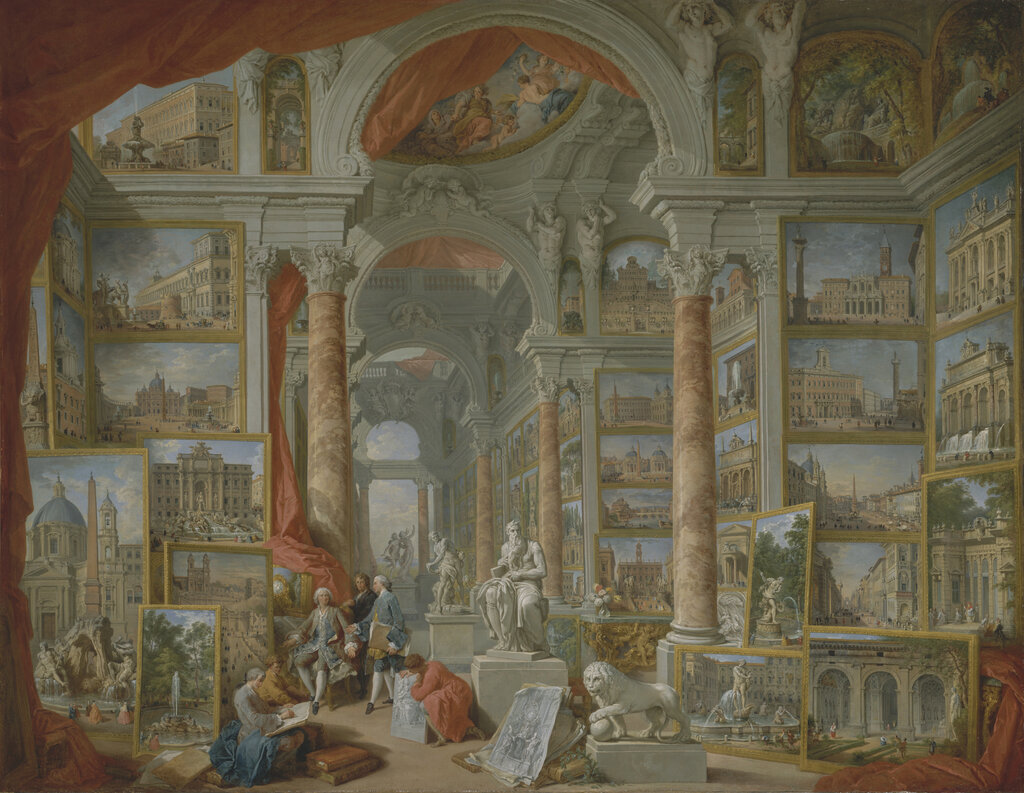
Upon their return, these men were expected to be more than just well-traveled; they were to be patrons of the arts, informed politicians, and tasteful gentlemen. The knowledge and artifacts they brought back profoundly influenced British art, architecture, and culture for generations. The Grand Tour was an investment in a person's future and, by extension, the cultural future of their nation.
The journey was more than a trip; it was a transformation. The traveler left as a student and was expected to return as a cultured, well-rounded gentleman ready to take his place in the world.
Now, let's test your understanding of this historical tradition.
What was the primary destination for a young man on the Grand Tour?
The Grand Tour was primarily undertaken by which group of people?