The Grand Tapestry of British History
Prehistoric Britain
The First Britons
Britain's human story begins long before it was an island. For much of the early Stone Age, or Paleolithic period, a land bridge connected it to continental Europe. Waves of early humans, including Neanderthals and their ancestors, walked across this territory, following herds of mammoths and rhinos. Life was a constant search for food, shelter, and safety. These early hunter-gatherers used simple stone tools for everything from butchering animals to processing plants.
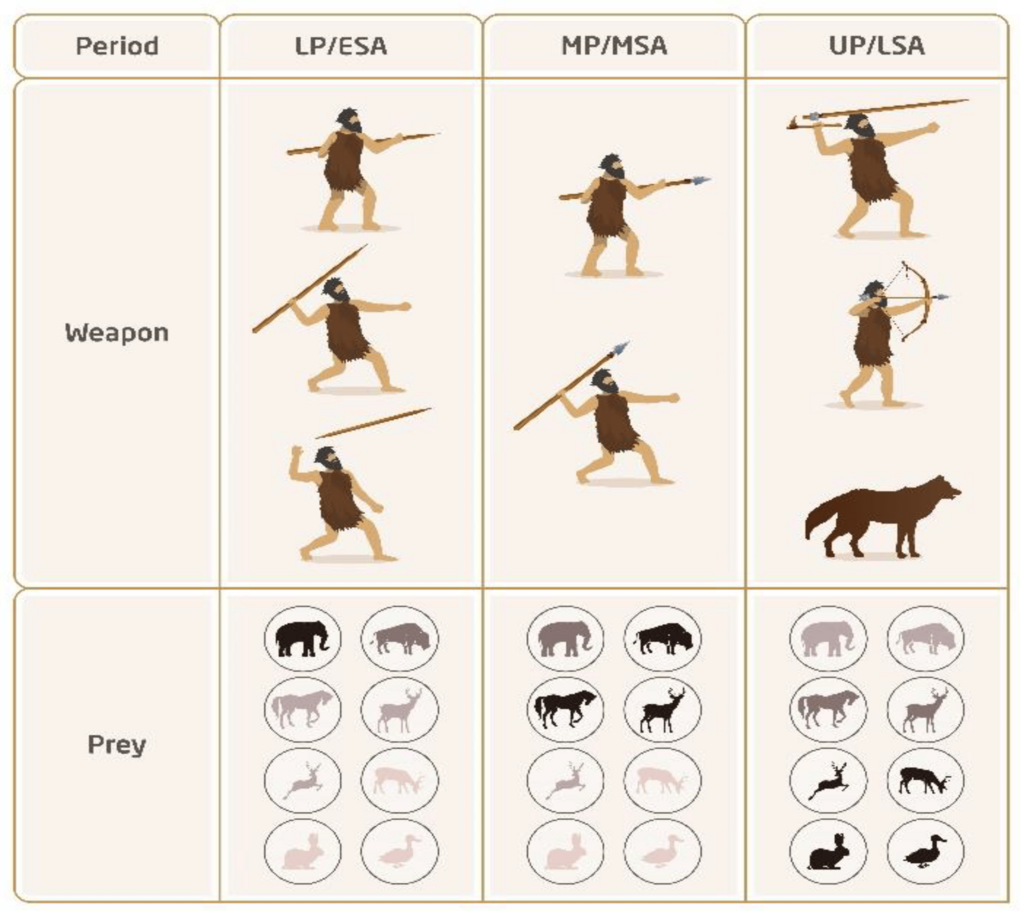
The climate was not stable. Massive ice sheets advanced and retreated multiple times, making Britain uninhabitable for long stretches. But as the last great Ice Age ended around 11,700 years ago, modern humans returned for good. This marked the beginning of the Mesolithic, or Middle Stone Age. As the ice melted, sea levels rose, and Britain was cut off from the mainland for the first time. The landscape changed into dense forest, and the large herds vanished. People adapted, hunting smaller animals like red deer and boar, fishing in rivers, and gathering a wide variety of plants.
A Revolution in Stone
Around 4000 BC, a new way of life arrived from Europe. The Neolithic Revolution brought farming to Britain. Instead of just hunting and gathering food, people began to clear forests, plant crops like wheat and barley, and raise domesticated animals such as cattle and sheep. This was one of the most significant changes in human history.
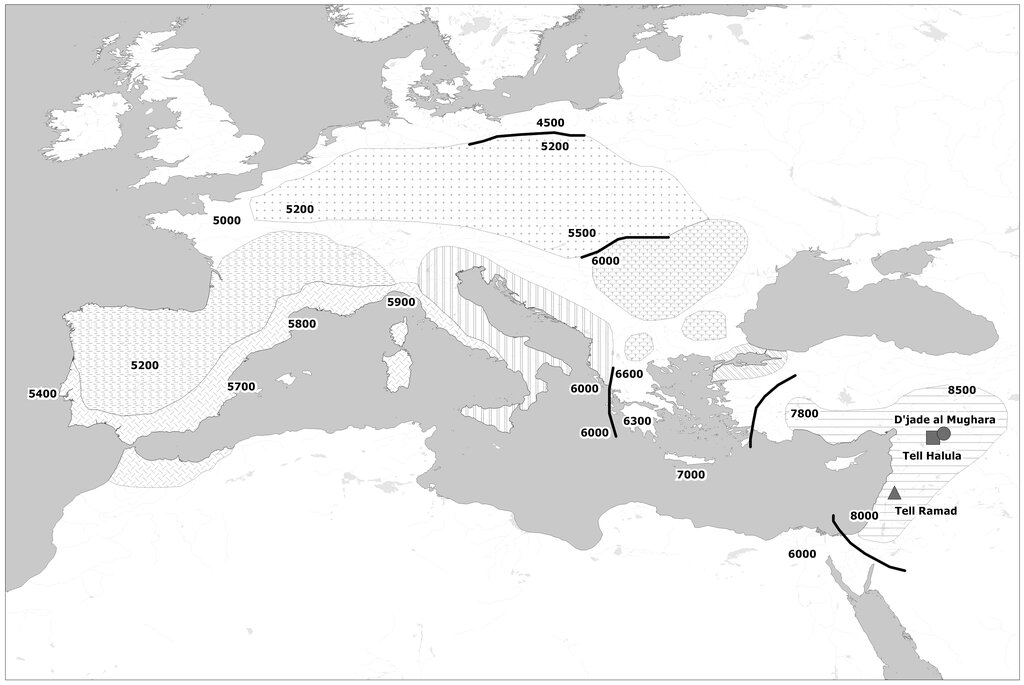
Farming required people to stay in one place. For the first time, communities built permanent settlements with solid timber houses and enclosures for their livestock. They created pottery to store food and water. With a more stable food supply, the population grew. People had time to think about more than just daily survival. They developed complex social structures and shared beliefs.
This new stability sparked a massive building boom. Across the country, communities began constructing enormous monuments from earth and stone. These megaliths, or "great stones," served as tombs, ceremonial sites, and astronomical calendars. The most famous of these is Stonehenge, built in stages over more than a thousand years. Its giant sarsen stones were dragged from 20 miles away, while the smaller bluestones came all the way from Wales, a journey of over 150 miles. How and why they accomplished this feat remains a subject of intense debate.
Building Stonehenge wasn't just an engineering challenge; it required a stable society that could organize hundreds of people over many generations to work on a single project.
But Stonehenge was not unique. People across Britain built thousands of other monuments, from long barrows that served as communal tombs to vast stone circles like those at Avebury. These structures tell us that Neolithic people had a deep connection to the land, their ancestors, and the movements of the sun and moon.
The Age of Metal
Around 2500 BC, another new technology reached Britain: metalworking. The arrival of people from the continent, often called the Beaker culture because of their distinctive pottery, heralded the start of the Bronze Age. They knew how to prospect for copper and tin ores, smelt them, and cast them into tools and weapons. Bronze, an alloy of copper and tin, was much stronger and more durable than stone.
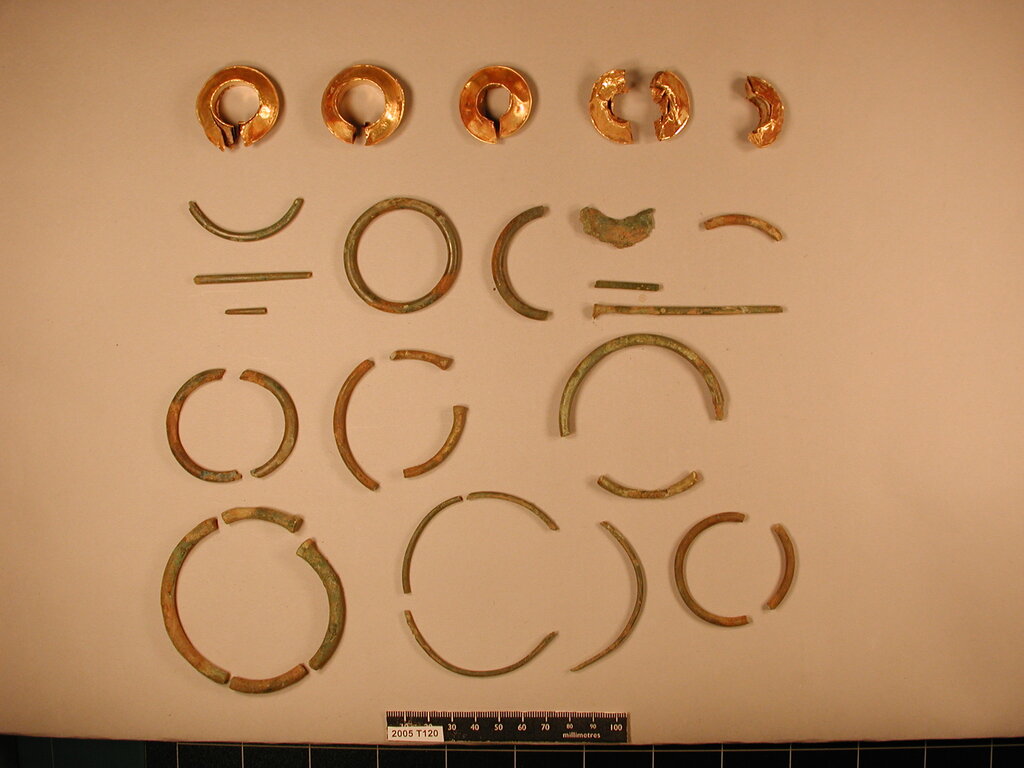
Bronze changed society. Skilled smiths became important figures. Control over the resources needed to make bronze, like tin mines, created new sources of power and wealth. Trade networks expanded, connecting Britain with communities across Europe. Fine bronze daggers, axes, and swords became status symbols, buried with powerful chiefs in elaborate new burial mounds called round barrows.
Then, around 800 BC, knowledge of ironworking began to spread. Iron was more common than copper and tin, and it produced even tougher tools and weapons. This marked the beginning of the Iron Age. Society became more warlike and defensive. Communities clustered together in large, fortified hillforts, surrounded by massive earthwork ramparts and ditches. These forts were centers of power, trade, and craft.
Hillforts were the capitals of their day, offering protection for hundreds of people and their livestock during times of conflict.
The people of the Iron Age are often called Celts. This wasn't a single unified kingdom but a collection of different tribes who shared similar languages, art, and cultural practices. They were skilled farmers and fierce warriors, known for their intricate metalwork and distinctive swirling artistic style. It was this Celtic society that the Romans would encounter when they arrived in 55 BC, bringing Britain's prehistoric era to an end.
Let's test what you've learned about Britain before the Romans.
What major geological event marked the beginning of the Mesolithic period and turned Britain into an island for the first time?
The 'Neolithic Revolution' in Britain primarily refers to the introduction of...
From the first hunter-gatherers to the rise of Celtic chiefdoms, prehistoric Britain was a period of profound transformation, setting the stage for all the history that would follow.