The Grand Tapestry of Art History
Introduction to Art History
What Is Art History?
Art history is the story of human creativity. It's more than just a timeline of paintings and sculptures; it's a way to understand the past through the objects people made. By studying art, we can explore the beliefs, ideas, and daily lives of different cultures across time.
This field covers everything from the earliest cave paintings and ancient pottery to Renaissance masterpieces and today's digital installations. It's a visual record of our shared human experience, revealing how we've seen ourselves and the world around us throughout history.
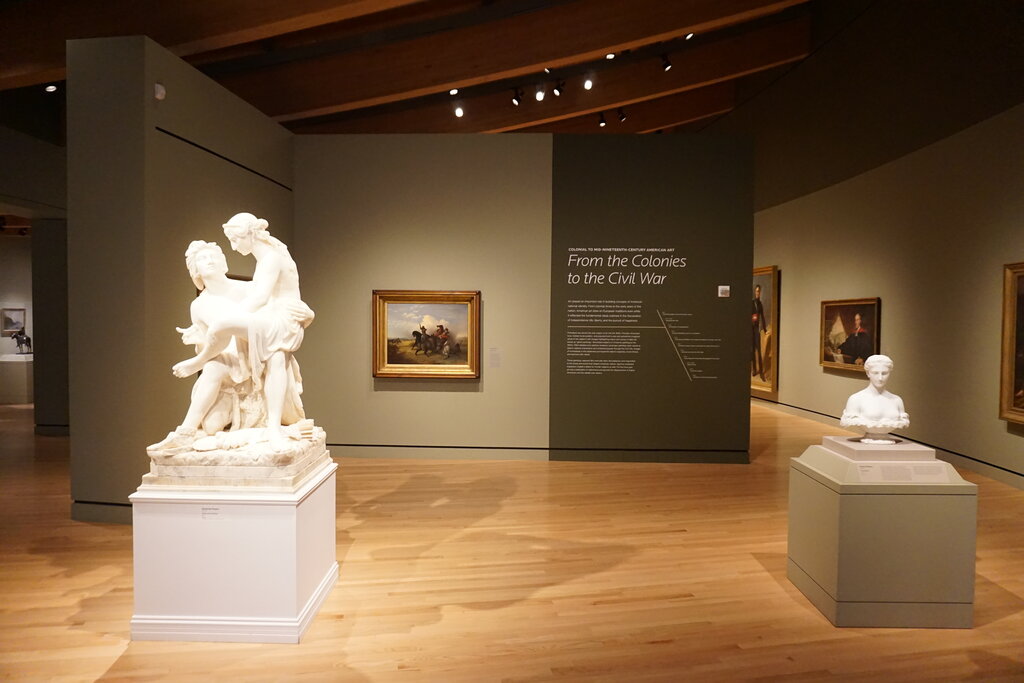
Why Context Matters
A work of art is never created in a vacuum. It’s a product of its time, place, and culture. To truly understand a piece, we need to look at its context. Who made it? Why? Who was it for? What was happening in the world when it was created?
Answering these questions reveals deeper meanings. A religious icon from the Byzantine Empire wasn't just a pretty picture; it was a tool for worship, made with specific rules about how holy figures should be depicted. A splattered canvas by Jackson Pollock in the 1950s reflects a post-war world grappling with new ideas about freedom and expression. The materials, subject, and style all tell a story about the world the artist lived in.
Without context, we only see part of the picture. With it, a work of art comes to life.
The Language of Art
To talk about art, we need some common vocabulary. These basic terms help us analyze what we're seeing and describe it clearly.
Medium
noun
The materials an artist uses to create a work of art.
Medium can be oil paint, clay, bronze, digital code, or even found objects. The choice of medium affects the final look and feel of the artwork.
Composition
noun
The arrangement of visual elements within a work of art.
This is about how the artist organizes lines, shapes, colors, and space. Is the composition balanced and calm, or is it dynamic and chaotic? The arrangement guides our eye and influences our emotional response.
Style
noun
The distinctive manner of creating art that is characteristic of an artist, group, or period.
Style is like an artist's signature. It's the combination of techniques and visual qualities that makes their work recognizable. When a group of artists share a similar style, it can define an entire art movement.
A Quick Tour Through Time
Art history is often organized into periods or movements, each with its own distinct characteristics. Here is a simplified overview of major periods in Western art.
| Period | Approximate Dates | Key Characteristics |
|---|---|---|
| Ancient Art | 30,000 BCE – 400 CE | Focus on stories, gods, and rulers. Includes prehistoric, Egyptian, Greek, and Roman art. |
| Medieval Art | 500 – 1400 | Primarily religious themes. Figures are often stylized and flat. |
| The Renaissance | 1400 – 1600 | Renewed interest in classical ideals. Focus on realism, humanism, and perspective. |
| Baroque | 1600 – 1750 | Characterized by drama, emotion, and rich detail. Often used to create a sense of awe. |
| 18th & 19th Century | 1750 – 1900 | A period of many styles, including the order of Neoclassicism and the emotion of Romanticism. |
| Modern & Contemporary | 1900 – Present | A break from tradition. Artists experiment with new materials, forms, and ideas. |
Understanding art movements is like unlocking a visual timeline of human history.
Now that we've covered the basics of art history, let's review what you've learned.
What is the primary goal of studying art history?
The material an artist uses to create a work of art, such as clay, oil paint, or even digital code, is called the _______.
This foundation gives you the tools to start looking at art more critically. By understanding what art history is, why context is crucial, and the basic language used to describe art, you're ready to explore specific movements and artists.