The Gospel of Matthew and the New Covenant
Jewish Identity and Origins
A Bridge Between Testaments
The Gospel of Matthew opens not with a dramatic miracle or a sweeping sermon, but with a list of names: a genealogy. This isn't just a tedious family tree. For its original audience of first-century Jewish readers, this was a legal document, a bold claim, and a direct answer to a burning national question: who is the rightful king?
Matthew meticulously structures the lineage of Jesus into three sets of fourteen generations, tracing his legal heritage through Joseph back to King David and then all the way to Abraham. This wasn't just for show. It was a deliberate theological argument. By establishing this direct line, Matthew presents Jesus as the legitimate heir to the Davidic throne, fulfilling the ancient promise of a messiah who would be a ''. The structure itself suggests a divine order, a story unfolding exactly as planned across centuries.
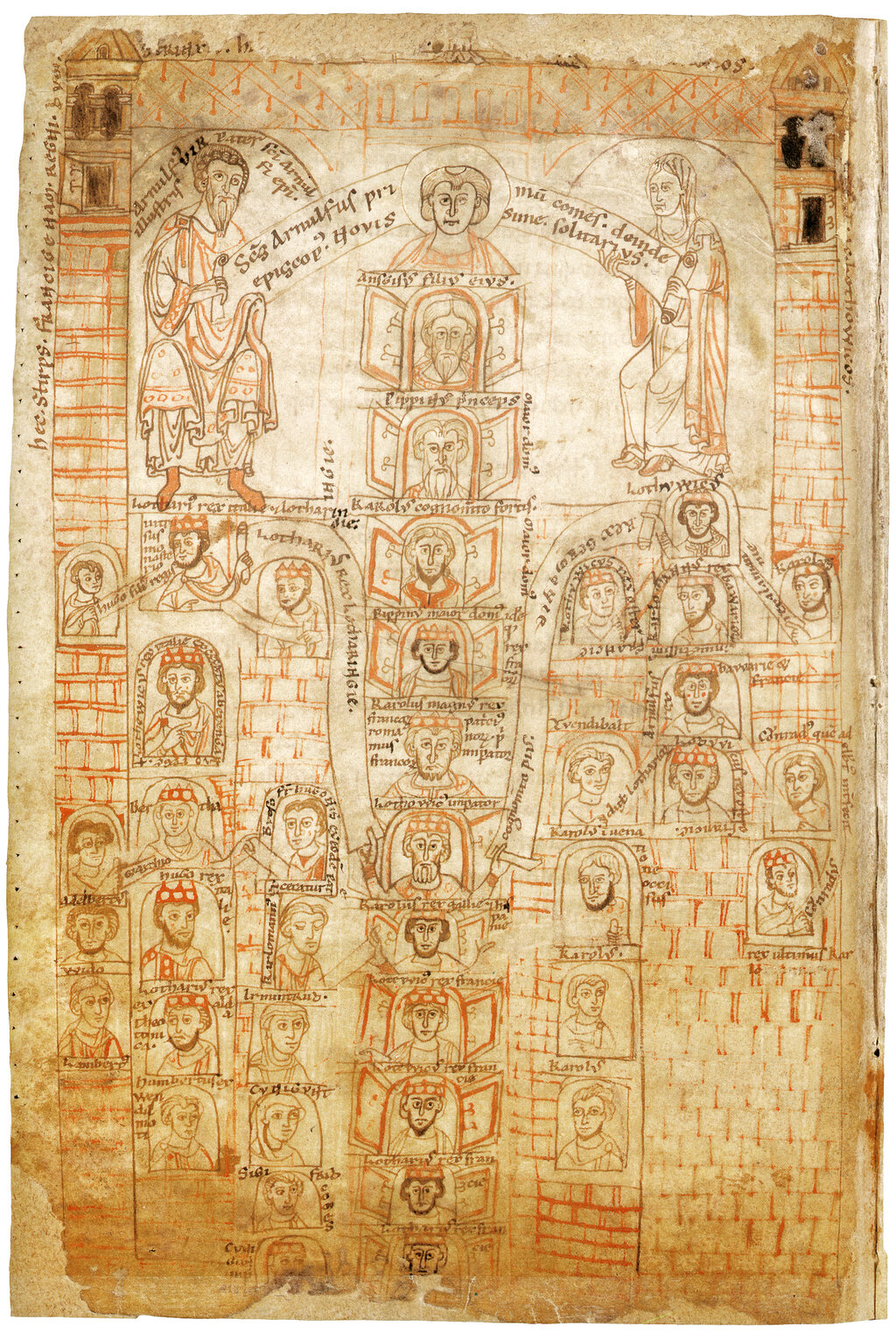
Luke's gospel also includes a genealogy, but its purpose is different. Luke traces Jesus' line back to Adam, emphasizing his connection to all of humanity. Matthew’s focus is narrower and more specific: he is proving Jesus' credentials as the Jewish Messiah to a Jewish audience. It's an opening argument that frames the entire book.
Matthew’s narrative begins with a genealogy, listing the ancestors of the Holy Family and tracing Jesus’ lineage many generations back to King David, while the Gospel of Luke begins with the angel Gabriel foretelling the births of John the Baptist to his father Zechariah and then of Jesus to his mother Mary.
A Community in Crisis
To understand Matthew's urgency, we have to picture the world he was writing in. The year 70 AD was a cataclysmic turning point. The Roman army had crushed a Jewish revolt, culminating in the in Jerusalem. This was not just a military defeat; it was a spiritual and cultural crisis that threw Jewish identity into question.
With the central place of worship and sacrifice gone, two major Jewish groups vied for the future of the faith. On one side were the early Christians, who believed Jesus was the Messiah and the true fulfillment of the Temple's purpose. On the other were the Pharisees, who would eventually form the basis of Rabbinic Judaism, emphasizing the study of Torah and oral law as the new center of Jewish life. Matthew's gospel was written from within this conflict. It's an argument directed at his fellow Jews, making the case that following Jesus was not an abandonment of Judaism, but its ultimate expression.
The Fulfillment Formula
Throughout his narrative, Matthew employs a unique literary device to connect Jesus' life directly to Old Testament scripture. More than ten times, he uses a specific phrase: "This was to fulfill what was spoken by the prophet..." This recurring structure, known as a fulfillment formula or '', acts like a signpost, pointing the reader back to a specific prophecy.
For example, when describing the flight to Egypt, Matthew quotes Hosea 11:1: "Out of Egypt I called my son." Originally, this verse referred to the nation of Israel's exodus. Matthew reapplies it to Jesus, arguing that Jesus’s personal history recapitulates the history of his people. He isn't just quoting scripture; he is reinterpreting Israel's story through the lens of Jesus, presenting him as the one in whom all of God's past promises find their meaning.
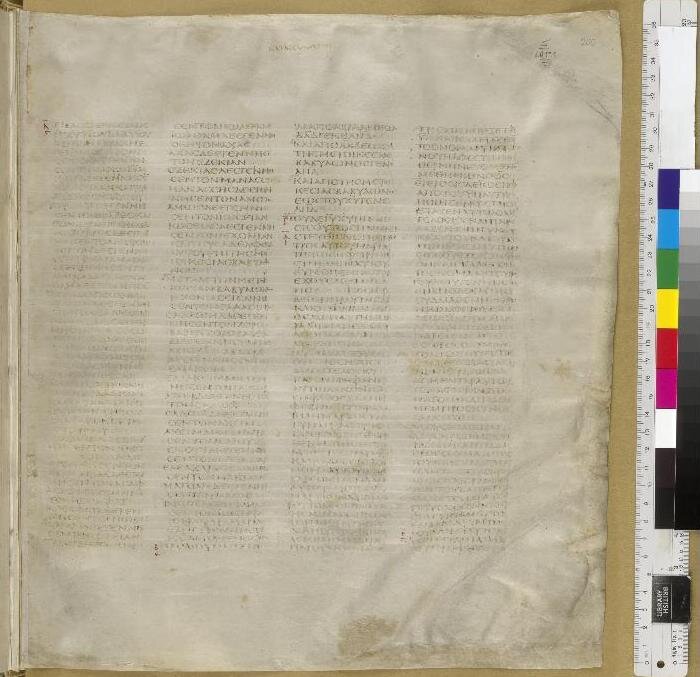
This technique was crucial for Matthew's audience. It demonstrated that the events of Jesus's life were not random or accidental but were part of a divine plan foretold long ago. It was a way of saying, "This new thing you are seeing is rooted in the oldest parts of our story."
From Local King to Global Savior
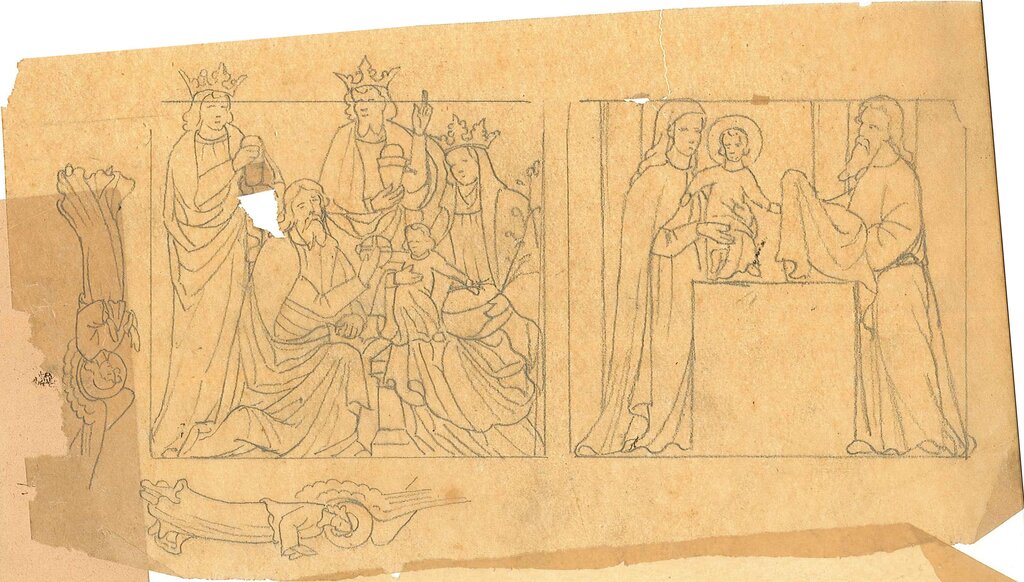
While Matthew's Gospel is deeply rooted in Jewish tradition, it ends with a surprising global vision. A clue to this appears early in the story with the arrival of the from the east. These gentile stargazers are the first to recognize and worship Jesus as king, while the established Jewish leader in Jerusalem, King Herod, seeks to kill him.
This episode is a powerful piece of foreshadowing. It signals that while Jesus is the Jewish Messiah, his significance extends beyond the borders of Israel. The welcome from the Magi anticipates the book's final command, known as the Great Commission, where Jesus instructs his followers to "make disciples of all nations." Matthew's message is carefully layered: the story begins by proving Jesus's credentials as the king of the Jews, but it concludes by commissioning a worldwide movement that invites all people into the kingdom.
We've covered some key concepts from the Gospel of Matthew. Let's review before moving on.
Ready to test your knowledge?
What is the primary purpose of the genealogy at the beginning of Matthew's Gospel?
The destruction of the Second Temple in 70 AD created a spiritual crisis that formed the backdrop for Matthew's writing.
Matthew's careful structuring and scriptural arguments position his Gospel as the perfect hinge, connecting the long story of Israel with the new movement that would become Christianity.