The Glorious Vijayanagara Empire
Origins and Founding
A Power Vacuum
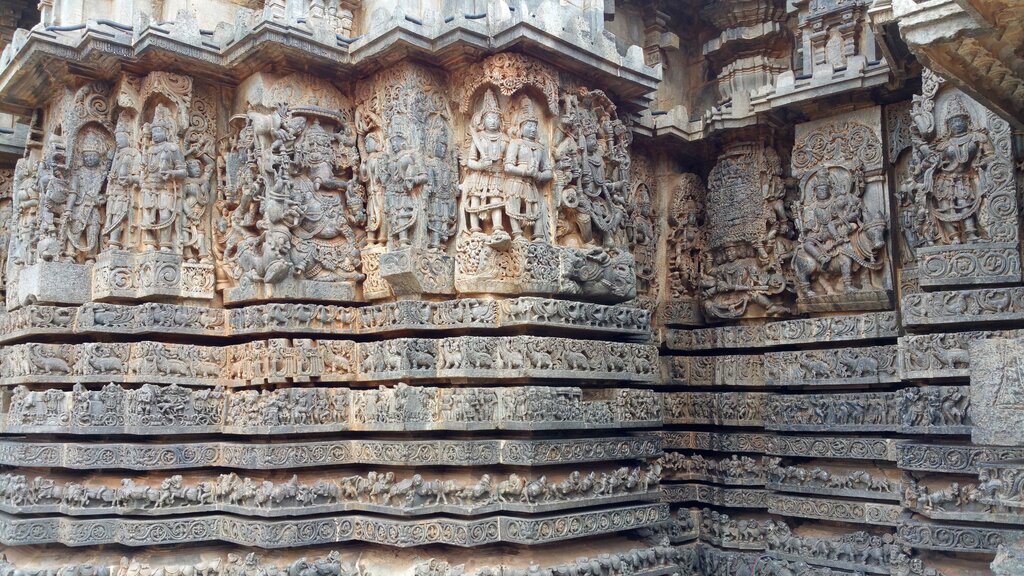
The early 14th century was a time of turmoil in South India. The great kingdoms that had long dominated the region were crumbling. The Kakatiyas of Warangal and the Hoysalas of Halebidu were shadows of their former selves, weakened by internal strife and, more importantly, repeated invasions from the north.
The Delhi Sultanate, under ambitious rulers like Alauddin Khalji and Muhammad bin Tughlaq, had pushed deep into the Deccan. Their armies sacked major cities, drained treasuries, and shattered the existing political order. While the Sultanate's direct control over the south was often brief, their raids left a lasting impact. The old powers were broken, leaving a void waiting to be filled.
Two Brothers
Into this chaotic landscape stepped two brothers, Harihara and Bukka Raya. They were the sons of Sangama, and their story is a blend of history and legend. The most widely accepted account suggests they began their careers as military commanders in the service of the Hoysala king.
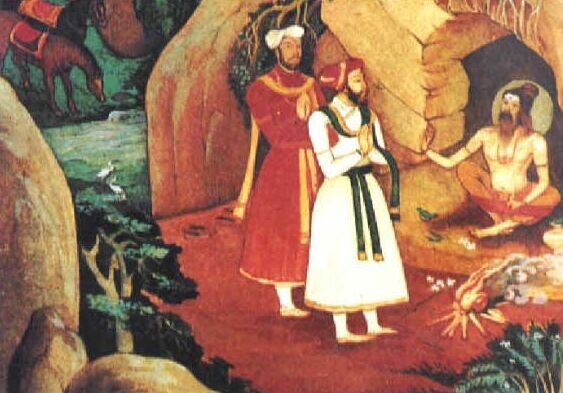
During a conflict with the Delhi Sultanate, they were captured and taken to Delhi. There, they converted to Islam and gained the trust of the Sultan, who eventually sent them back south as governors to manage the turbulent territories. However, upon their return, they met the influential sage Vidyaranya. Inspired by his guidance, they renounced their allegiance to the Sultanate, returned to their Hindu faith, and set out to build a new kingdom to protect dharma and resist northern incursions.
The City of Victory
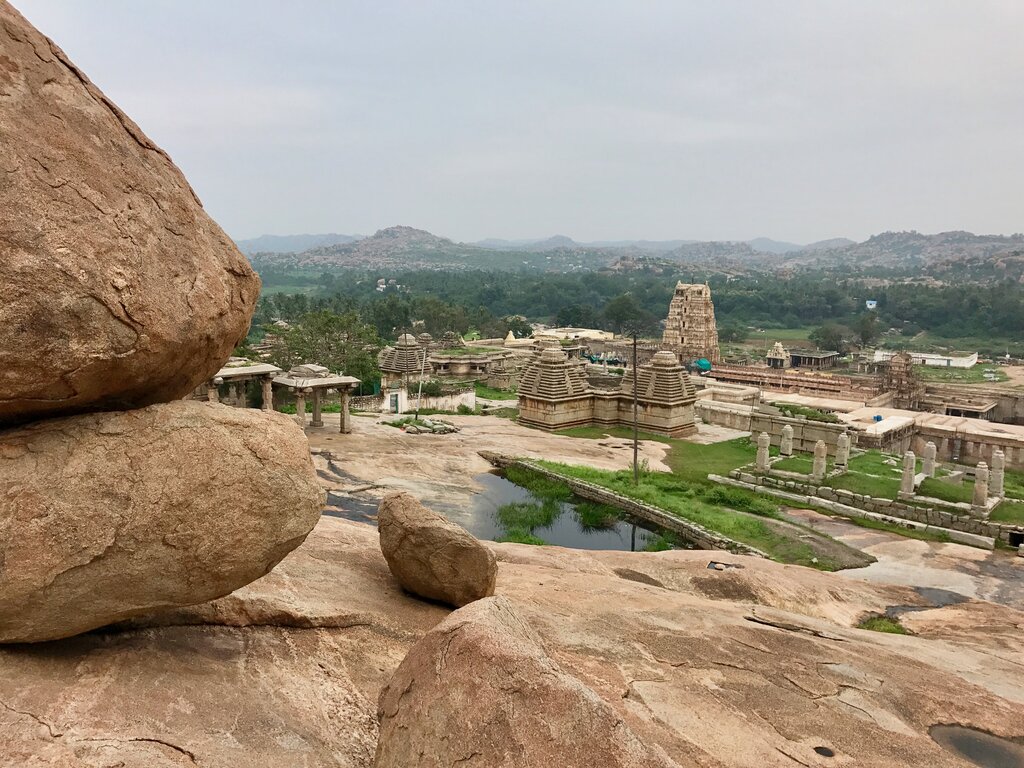
In 1336, the brothers established their capital on the southern bank of the Tungabhadra River. They named it Vijayanagara, which translates to "City of Victory." The location was a strategic masterstroke.
The city was naturally fortified. The powerful Tungabhadra River protected its northern flank, while massive granite hills and boulders provided a formidable defensive barrier on the other three sides. This rugged terrain made it incredibly difficult for enemy armies, especially cavalry and elephants, to launch a successful siege. The choice of this site was a clear signal of their intent: to build a stronghold that could endure.
With their capital secure, Harihara I became the first ruler of the new empire, founding the Sangama dynasty. His initial focus was on consolidating power. He and his brother Bukka began a systematic campaign to bring the surrounding territories under their control.
They first absorbed the remnants of the Hoysala kingdom after its last ruler was killed in battle against the Sultan of Madurai. Over the next few decades, they methodically expanded their influence, conquering neighboring chiefdoms and pushing back against the sultanates that had formed in the Deccan. By the time Harihara's reign ended, the Vijayanagara Empire was firmly established as the dominant power in South India.
What was the primary factor that created a power vacuum in South India just before the rise of the Vijayanagara Empire?
According to the most widely accepted account, what was the role of the sage Vidyaranya in the story of Harihara and Bukka?
The foundation laid by Harihara and Bukka created a bulwark that would shape the political and cultural history of South India for over two centuries.