The Gloomy World of Gothic Literature
Origins of Gothic Literature
An Age of Reason and Ruin
The late 18th century was a time of intense intellectual energy in Europe, often called the Age of Enlightenment. Thinkers championed reason, logic, and scientific inquiry as the paths to human progress. Society was meant to be orderly, understandable, and free from the superstitions of the past. Grand histories were written, and laws were codified, all in an effort to make sense of the world in a rational way.
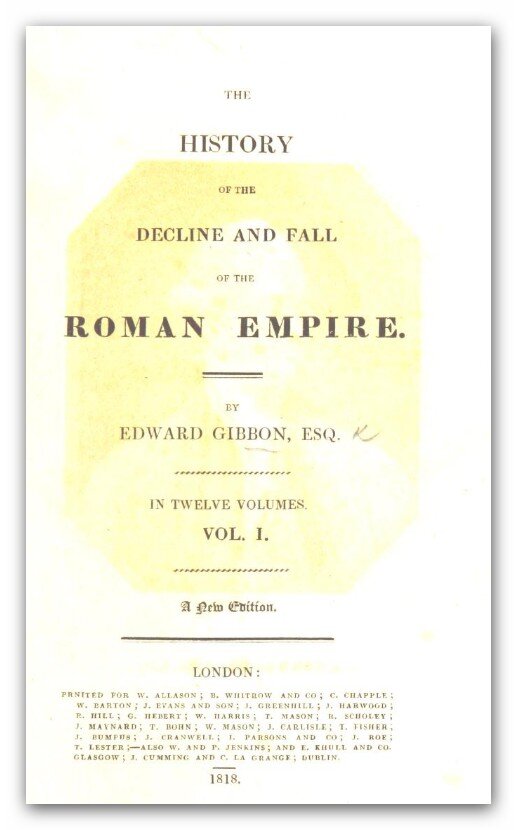
But not everyone was satisfied with a world stripped of mystery. A counter-movement began to bubble up, one that valued emotion, nature, and individual experience over cold, hard logic. This was the dawn of Romanticism, and it created the perfect conditions for a new kind of story to emerge—one that looked back to the dark, chaotic, and decidedly unreasonable medieval past for inspiration.
A Nightmare in a Castle
Horace Walpole, an English writer and politician, was fascinated by the medieval world. He was so obsessed, in fact, that he rebuilt his home, Strawberry Hill, into a fantasy version of a Gothic castle, complete with turrets, cloisters, and stained glass. It was a physical rejection of the neat, classical architecture popular at the time.
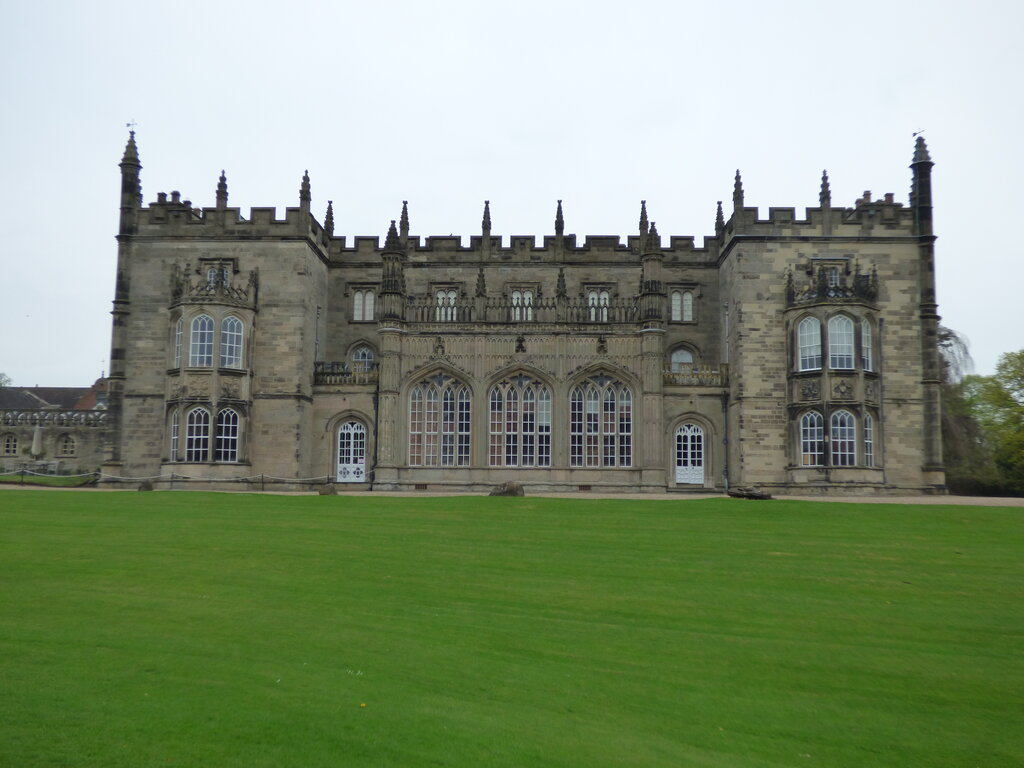
One night in 1764, Walpole had a vivid nightmare. He dreamt of a giant, armored hand appearing on the staircase of an ancient castle. Inspired, he began to write, and in just two months, he finished what is now considered the very first Gothic novel: The Castle of Otranto.
To add to the intrigue, Walpole initially published the book anonymously, claiming it was a translation of a medieval Italian manuscript he had discovered. This clever trick made the story feel like a genuine artifact from a more superstitious time.
The story itself had all the key ingredients: a cursed castle, a tyrannical lord, a beautiful maiden in distress, and a healthy dose of supernatural terror—including a giant helmet that falls from the sky and crushes a young prince.
Mixing Past and Present
The Castle of Otranto was a sensation. It combined the familiar structure of a modern novel with the strange and supernatural elements of old legends and Shakespearean tragedy. For readers living in the orderly Age of Reason, this was a thrilling escape.
Walpole’s novel created a blueprint for a new genre. It tapped into a growing fascination with history, but not the carefully documented history of the Enlightenment. Instead, it explored a fantasy version of the past, one filled with dark secrets, intense emotions, and things that couldn't be explained by science. It showed that there was a powerful appetite for stories that explored fear, mystery, and the unknown.
The Gothic literary movement emerged primarily as a reaction against the values of which intellectual era?
What was the direct inspiration for Horace Walpole's novel, The Castle of Otranto?
That's how Gothic literature got its start, as a dramatic reaction to an era of logic and order.