The Global Slave Trade and Its Enduring Legacies
Origins of the Slave Trade
Slavery Before the Atlantic Trade
Long before Europeans arrived, various forms of slavery and servitude existed across Africa, as they did in many other parts of the world. However, these systems were often very different from the model that would later develop in the Americas.
In many African societies, enslaved people were primarily captives from wars, individuals paying off debts, or those convicted of crimes. Their status was not always permanent or hereditary. They could sometimes earn or be granted their freedom, own property, and even marry into the community that held them. This was a system of servitude, but it was not based on a concept of racial inferiority.
Chattel Slavery
noun
A system in which a person is considered the legal property (chattel) of another and can be bought and sold. This status is typically hereditary and strips the enslaved individual of all rights.
The arrival of European traders would transform these existing practices into a vast, brutal, and commercialized system of chattel slavery.
European Arrival and Economic Shifts
In the 15th century, Portuguese explorers began sailing down the West African coast. Their initial goals were to find a sea route to Asia and to tap into Africa's rich trade in gold and spices. They established fortified trading posts, or "feitorias," to conduct business with local kingdoms.
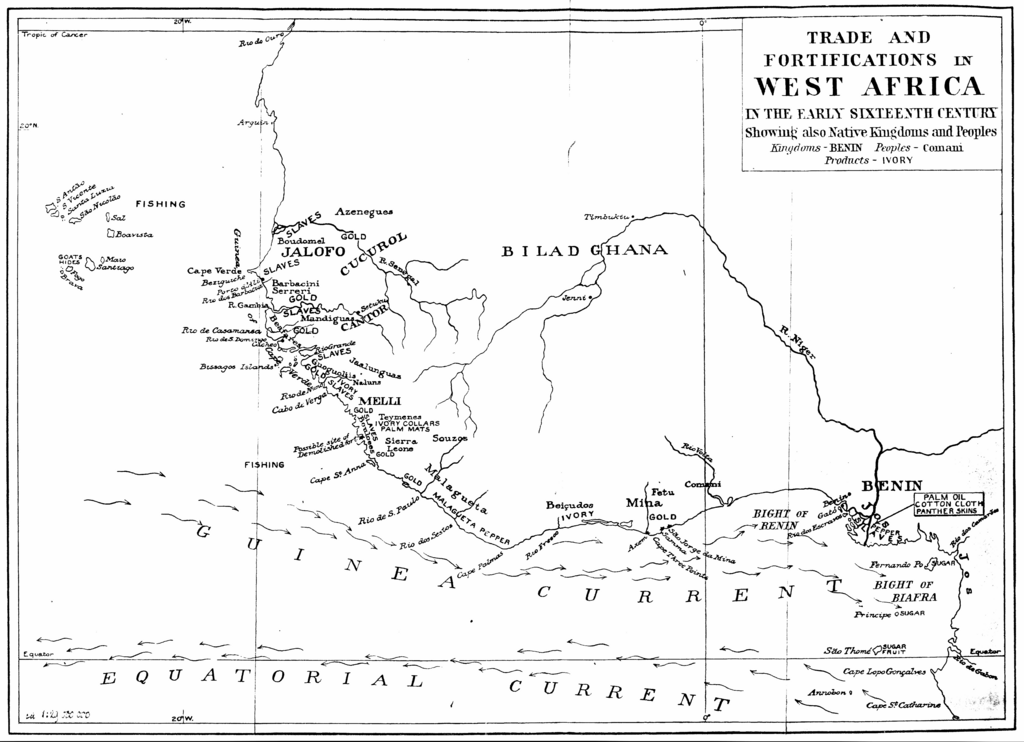
At first, the trade in enslaved people was a minor part of this commerce. However, that changed dramatically with the European colonization of the Americas. The establishment of massive plantations for sugar, tobacco, and cotton in the "New World" created an insatiable demand for labor.
European colonists initially tried to enslave the native populations, but disease and resistance made this an unsustainable solution. They also used indentured servants from Europe, but not enough were willing to make the journey. Colonists needed a new, large-scale source of forced labor to make their plantations profitable.
The movement toward slavery of the Africans happened gradually due to a number of factors: the desire by Virginians to cash in on the lucrative European market for tobacco which demanded more workers, and a declining population of Indigenous people and Europeans willing to work as indentured servants in contrast to a steady supply of workers from Africa through the slave trade.
The Mechanics of the Trade
European traders realized they could exploit the existing rivalries between African states. They began offering goods like guns, textiles, alcohol, and manufactured items in exchange for captives of war and people taken in raids.
This created a vicious cycle. The demand for enslaved people encouraged more warfare and raiding among African groups, which in turn generated more captives to be sold to the Europeans. African traders and powerful kingdoms on the coast acted as intermediaries, capturing people from the interior and bringing them to the coastal forts.
From these forts, the captured men, women, and children were forced onto ships for the horrific journey across the Atlantic. This system became known as the Triangular Trade, a network connecting Europe, Africa, and the Americas.
The first leg of the triangle involved ships carrying manufactured goods from Europe to Africa. The second leg, the infamous Middle Passage, was the transportation of enslaved Africans to the Americas. The third leg completed the triangle, with ships carrying plantation crops and raw materials from the Americas back to Europe.
This complex web of economic demand, military power, and pre-existing social structures laid the foundation for a global trade that would last for centuries and forcibly move millions of people across the ocean.
Before the arrival of Europeans, how did systems of servitude in many African societies differ from the chattel slavery that later developed in the Americas?
What was the primary driver for the dramatic increase in demand for enslaved African labor by Europeans?