The Global Journey of a Shirt
Cotton Farmer Struggles
A Farmer's Gamble
Meet Swapna, a small farmer in Kurnool, a district in the Indian state of Andhra Pradesh. Her family's livelihood depends on a few acres of land where she grows cotton. As the planting season begins, she faces a significant financial hurdle. Cotton cultivation requires expensive agricultural inputs like seeds, fertilizers, and pesticides. Without these, a good harvest is nearly impossible.
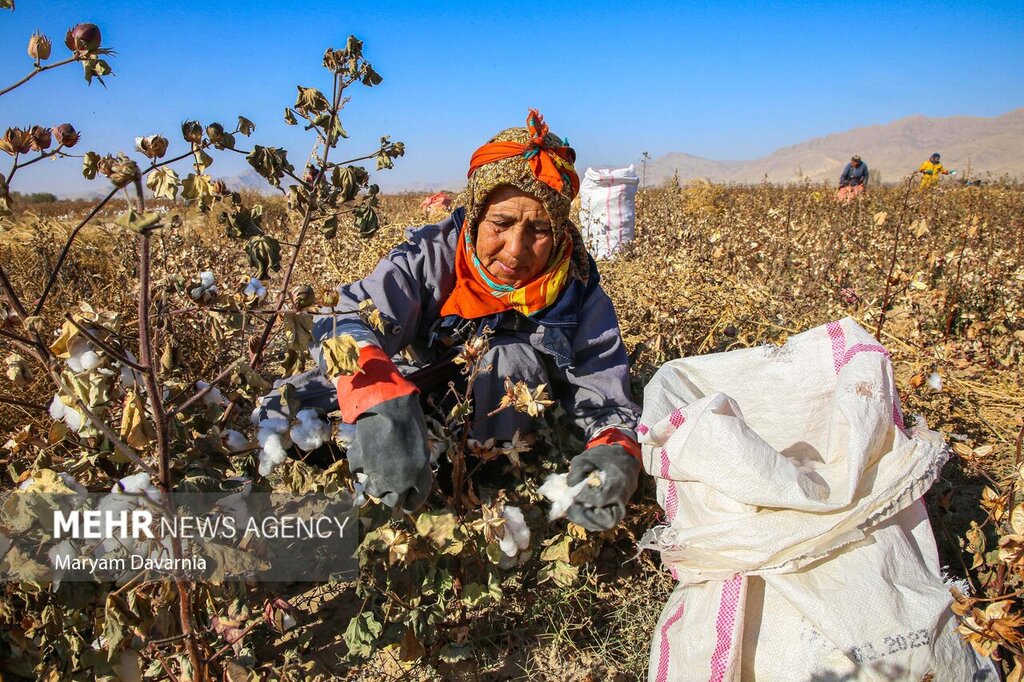
The costs add up quickly. High-yield seeds, potent fertilizers to enrich the soil, and pesticides to protect the delicate cotton bolls from pests can total thousands of rupees. For a small farmer like Swapna, this amount of cash isn't readily available. She can't walk into a bank for a loan because she lacks the required collateral. So, she turns to the only option available: the local trader.
A Loan with Strings Attached
The local trader agrees to give Swapna a loan, but it comes with conditions. First, the interest rate is steep. Second, and more importantly, Swapna must promise to sell her entire harvest back to him. This is a common form of informal credit in rural areas, where formal banking is inaccessible. The loan provides immediate relief but creates a binding obligation that strips the farmer of her bargaining power.
The loan isn't just money; it's a contract that dictates who Swapna can sell to, and often, at what price.
For months, Swapna and her family work tirelessly under the hot sun. They tend to the plants, weed the fields, and carefully pick the cotton bolls as they ripen. It's back-breaking labor, fueled by the hope of a bountiful harvest and a fair price that will cover their loan and leave a small profit.
The Harvest and the Trap
When the harvest is ready, Swapna takes her cotton to the trader's yard. The local market price for cotton is good this season. But the trader isn't offering the market price. He deducts the loan principal and the high interest from the total value of her crop. Then, he offers her a price far below what other farmers are getting at the open market.
| Item | Price (per quintal) |
|---|---|
| Open Market Price | ₹6,000 |
| Trader's Offered Price | ₹4,500 |
| Swapna's Total Harvest | 4 quintals |
Swapna knows she is being cheated, but she is powerless. Arguing could mean being denied a loan next season, a risk she cannot afford to take. She is trapped. She is forced to accept the trader's low price.
Smallholder farmers faced a significant challenge as they were caught in an unbreakable cycle of labor, taxes, and debt.
After the trader deducts his loan and interest, Swapna is left with very little. Her earnings barely cover the months of hard work her family put in, and there is certainly no profit to save for the future. Despite a good harvest, she remains at the bottom of the profit hierarchy, caught in a debt trap. Her cotton has just begun its journey to becoming a shirt, but for her, the cycle of borrowing and selling for a low price is already set to repeat next year.
Why did Swapna need to take a loan from the local trader?
What was the most significant condition of the trader's loan that put Swapna at a disadvantage?