The Global History of Football
Ancient Ball Games
Ancient Kicks
Kicking a ball around is not a modern invention. For thousands of years, people across the globe have found joy and meaning in this simple act. The games they played were more than just pastimes; they were woven into the fabric of military training, religious ceremonies, and daily life.
China's Kicking Game
One of the earliest known forms of football comes from China. During the Han Dynasty, around 2,000 years ago, a game called Cuju was immensely popular. The name itself reveals its simplicity.
Kick Ball
Players had to kick a leather ball stuffed with feathers or hair through a small opening in a silk net stretched between two poles. Using your hands was forbidden. Cuju was played by everyone, from emperors to commoners. For soldiers, it was a form of physical training that honed their agility and teamwork. For the wealthy, it was a sophisticated form of entertainment at lavish banquets.
Greek and Roman Ball Games
In ancient Greece, a game called Episkyros captured the competitive spirit of the people. Two teams would face off on a field marked with a center line. The goal was to throw the ball over the opposing team's back line. It was a rough, physical game that combined elements of skill and brute force.
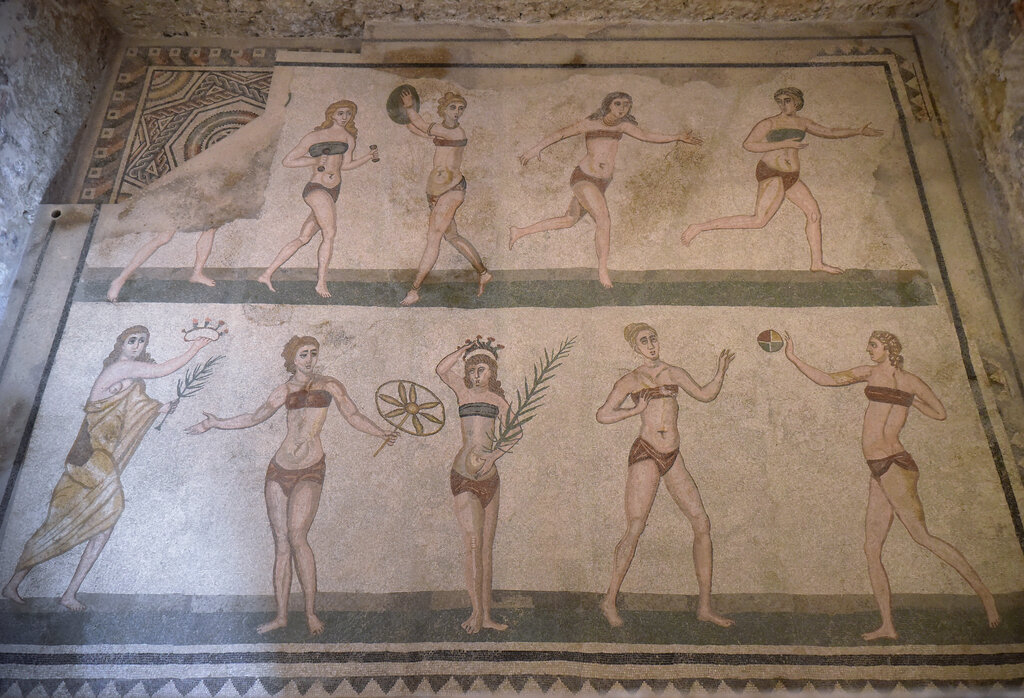
The Romans adapted Episkyros into their own, even more intense version called Harpastum, which translates to "to snatch away." Played on a smaller field, this game was less about kicking and more about wrestling the ball away from opponents. The objective was to keep possession of a small, hard ball for as long as possible. Harpastum was famously violent and was a favorite training exercise for Roman legionaries, helping them develop the toughness needed for battle.
High Stakes in Mesoamerica
Across the Atlantic, ancient Mesoamerican cultures like the Maya and Aztecs played a game with deep ritual significance called Ullamaliztli. This game was played in a large stone court with slanted walls. The ball was made of solid rubber and could weigh up to nine pounds.
Players were not allowed to use their hands or feet. Instead, they had to strike the heavy ball with their hips, thighs, and sometimes their forearms.
The goal was to pass the ball through a stone hoop mounted high on the court wall—a feat that was incredibly difficult and rarely achieved. Ullamaliztli wasn't just a sport; it was a religious event. The game often symbolized the celestial struggle between the sun and moon or day and night. The outcome could have life-or-death consequences, with losing teams, or even their captains, sometimes being sacrificed to the gods.
These ancient games, from the military drills of China to the sacred rituals of Mesoamerica, show that the core idea of a ball game has always been a powerful part of human culture. They laid a foundation of teamwork, skill, and competition that echoes in the sports we love today.
The ancient Chinese game of Cuju, popular during the Han Dynasty, was particularly important for soldiers as a form of:
How did the Roman game of Harpastum primarily differ from its Greek predecessor, Episkyros?