The Global Chip Shortage Explained
Semiconductor Industry Overview
The Modern World's Foundation
At the heart of nearly every electronic device you use is a tiny, intricate piece of technology: the semiconductor chip. It’s the brain in your smartphone, the memory in your laptop, and the control center in your car. But what exactly is it?
A semiconductor is a material with an electrical conductivity that falls between a conductor (like copper) and an insulator (like rubber). This special property allows us to precisely control the flow of electricity through it. The most common material used for this is silicon, which is abundant in sand.

By itself, a silicon crystal isn't very useful. But by introducing tiny amounts of other elements—a process called doping—engineers can create pathways and switches on a microscopic scale. These switches, known as transistors, are the fundamental building blocks of all modern electronics. A single advanced chip can contain billions of them.
From Sand to Circuits
Turning purified silicon into a functional chip is one of the most complex and precise manufacturing processes ever developed. It happens in highly controlled environments called cleanrooms, which can be thousands of times cleaner than a hospital operating room. The process can be broken down into a few key stages.
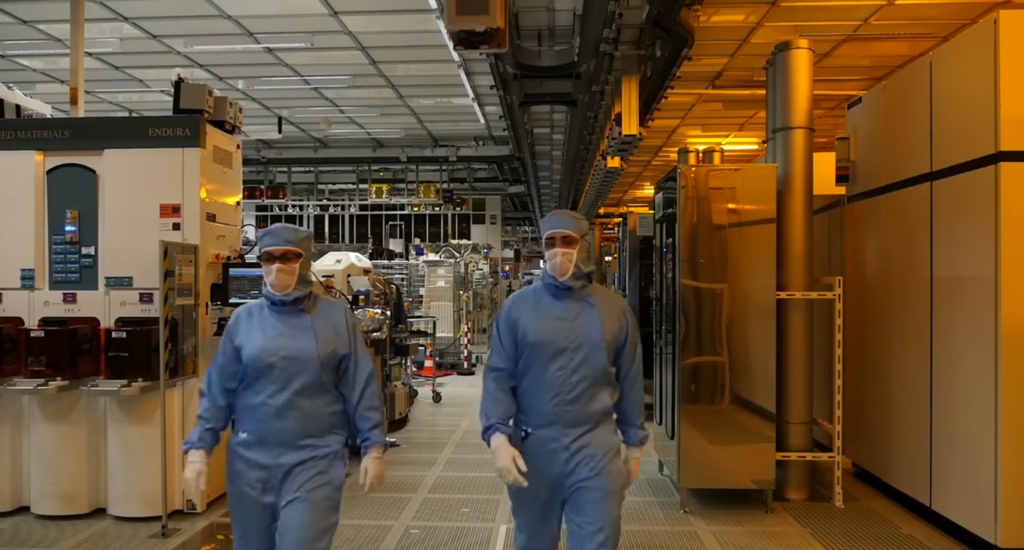
First comes the design. Engineers create a detailed blueprint of the chip's circuitry, like an architect designing a skyscraper. This design is then sent to a fabrication plant, or “fab.”
At the fab, the manufacturing begins with a thin, circular slice of silicon called a wafer. The magic happens through a process called photolithography. A layer of light-sensitive material is applied to the wafer, and ultraviolet light is projected through a mask, or stencil, of the chip's design. The light hardens the exposed material, and the unexposed parts are washed away, etching the circuit pattern onto the silicon. This process is repeated dozens, sometimes hundreds, of times, building up the chip layer by tiny layer.
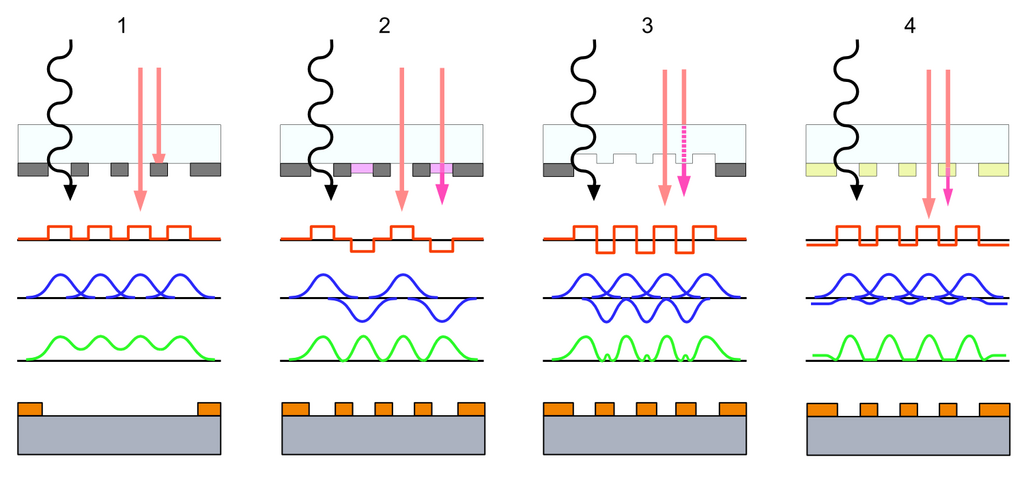
Once all the layers are complete, the wafer, which now contains hundreds or thousands of identical chips, is tested. Then, it's sliced up into individual chips, called dies. Each die is placed into a protective plastic or ceramic package with metal pins that allow it to connect to a circuit board. After a final round of testing, the chip is ready to be shipped to a device manufacturer.
The Global Chip Ecosystem
No single company handles the entire process from start to finish. The semiconductor industry is a complex, global ecosystem of highly specialized players. Understanding these roles is key to understanding the industry itself.
| Company Type | What They Do | Examples |
|---|---|---|
| Fabless Companies | Design and sell chips, but outsource the manufacturing. | NVIDIA, Apple, Qualcomm |
| Foundries (Fabs) | Manufacture chips for other companies. They are the factories. | TSMC, Samsung, GlobalFoundries |
| IDMs | Design, manufacture, and sell their own chips. | Intel, Texas Instruments |
There are also companies that specialize in providing the manufacturing equipment, software for chip design, and the raw silicon wafers. This extreme specialization has pushed the technology forward at an incredible pace, but it also creates a fragile supply chain. The most advanced chip manufacturing, for example, is heavily concentrated in just a few locations, primarily Taiwan and South Korea.
It also provides a good explanation for why the semiconductor supply chain is the world’s most vulnerable supply chain.
Powering Modern Life
It’s hard to overstate the importance of semiconductors. They are the critical component that enables the digital economy. Your smartphone, laptop, and television all rely on a variety of chips to function, from the main processor to the memory and connectivity chips.
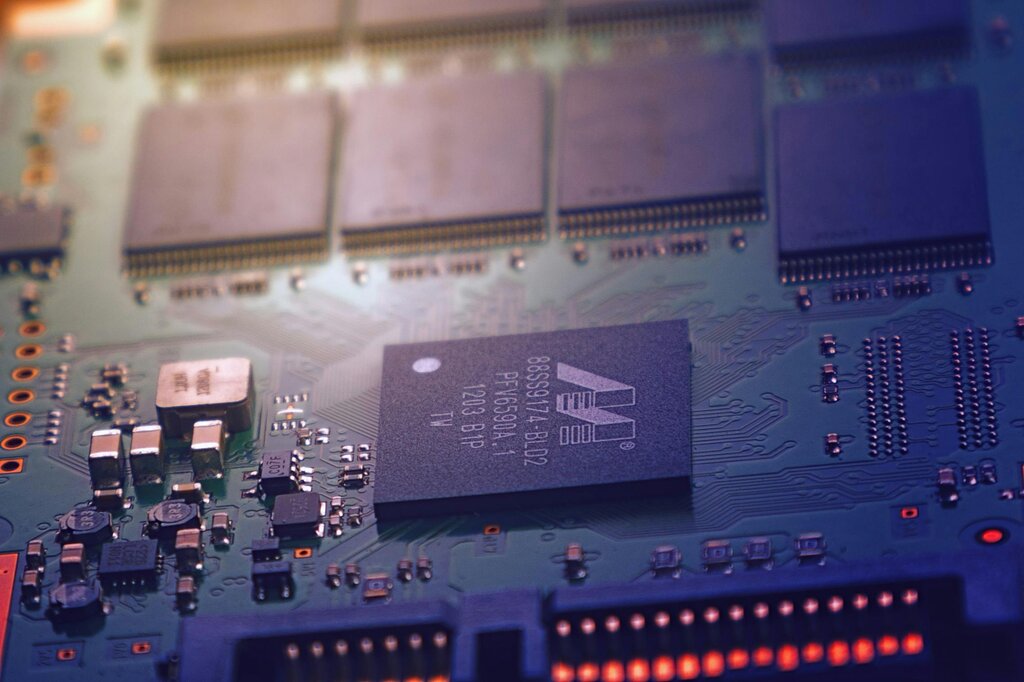
But their reach extends far beyond consumer electronics.
- Automotive: A modern car can contain over a thousand chips, controlling everything from the engine and safety systems to the infotainment screen.
- Telecommunications: The infrastructure for the internet and mobile networks, including 5G, is built on advanced semiconductors.
- Healthcare: Medical devices like pacemakers, digital thermometers, and MRI machines all depend on chips for their operation.
- Data Centers: The cloud services we use every day are powered by massive data centers filled with servers, and every server is packed with powerful processors and memory chips.
Essentially, any product or system that processes information or has “smart” capabilities is powered by semiconductors. They are the invisible engine of technological progress.
Now that you know what goes into making a chip, let's test your knowledge.
What is the primary characteristic of a semiconductor material?
The process of introducing specific impurities into silicon to change its electrical properties is known as ______.
The semiconductor industry is a marvel of global cooperation and specialization, creating the foundational technology for our modern world.