The Giant Panda
Introduction to Giant Pandas
Meet the Giant Panda
With its iconic black-and-white coat and gentle demeanor, the giant panda is one of the world's most beloved animals. Scientifically known as Ailuropoda melanoleuca, which means "black and white cat-foot," this mammal is a true bear, belonging to the family Ursidae. Despite its distinct appearance, genetic studies confirm its place among other bears like grizzlies and polar bears.
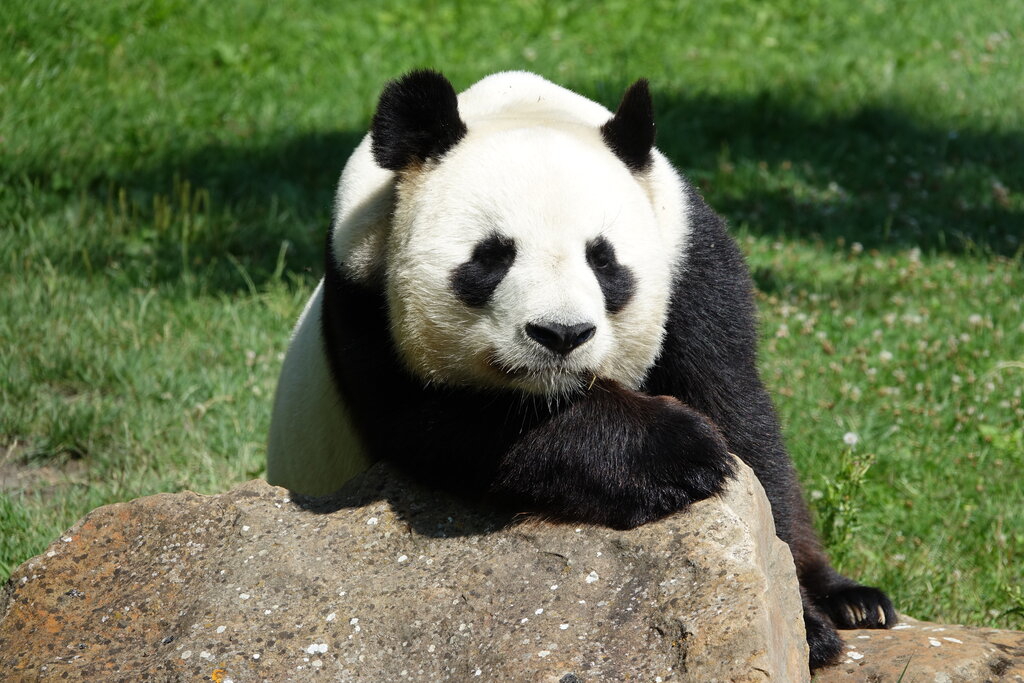
For a long time, scientists debated its classification. Some thought it was more closely related to raccoons, like the red panda. However, modern DNA analysis has settled the debate, proving it's a unique and ancient lineage of bear that diverged from the main family tree millions of years ago.
Distinctive Features
A giant panda's appearance is unmistakable. The bold patches of black fur around its eyes, on its ears, and across its limbs and shoulders stand out against its white body. This unique coloration is thought to serve as camouflage in snowy and rocky environments, or possibly as a way for pandas to identify one another.
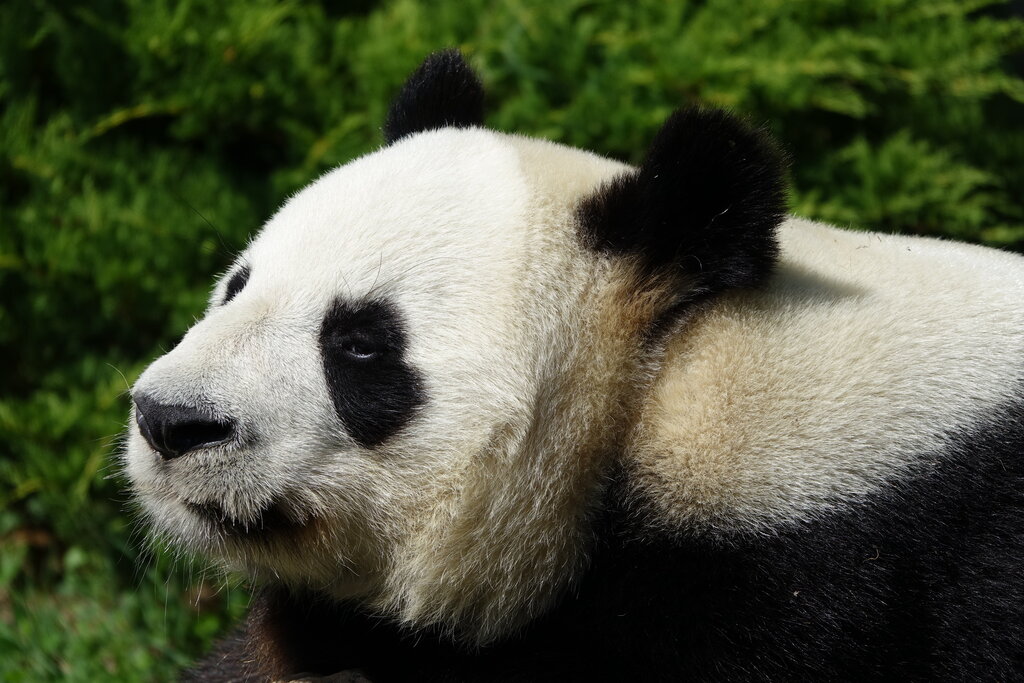
These bears are built to be powerful. Adult pandas can weigh between 200 and 300 pounds and stand about two to three feet tall at the shoulder. They possess large, strong molar teeth and powerful jaw muscles for crushing tough bamboo. One of their most fascinating adaptations is a modified wrist bone that acts like a thumb. This "pseudo-thumb" helps them grip bamboo stalks while eating.
pseudo-thumb
noun
A modified wrist bone (the radial sesamoid) in giant pandas that functions like an opposable thumb, used to grip bamboo.
A Global Icon
The giant panda holds a special place in Chinese culture, where it's considered a national treasure. In ancient times, it was seen as a symbol of peace and friendship. Today, this role has expanded globally through "panda diplomacy," where China has loaned pandas to other countries as a gesture of goodwill.
Beyond diplomacy, the giant panda has become an international symbol for wildlife conservation. Its recognizable image is famously used in the logo for the World Wide Fund for Nature (WWF), one of the world's leading conservation organizations. This has made the panda the face of efforts to protect endangered species and their habitats worldwide.

A Conservation Success
For decades, the giant panda was listed as an endangered species, facing threats from habitat loss and low birth rates. Its survival seemed uncertain. However, intensive conservation efforts led by the Chinese government and international partners have turned the tide.
These efforts included creating nature reserves, expanding and protecting panda habitats, and advancing captive breeding programs.
Thanks to this hard work, wild panda populations have begun to rebound. In 2016, the International Union for Conservation of Nature (IUCN) reclassified the giant panda's status from "endangered" to "vulnerable." While still at risk, this change marks a significant victory and a hopeful sign for the future of the species.

Now, let's review what you've learned about this remarkable bear.
According to modern DNA analysis, the giant panda belongs to which animal family?
What is the primary function of the giant panda's modified wrist bone, also known as a "pseudo-thumb"?
The story of the giant panda shows how dedicated efforts can make a real difference in protecting our planet's wildlife.