The Genesis of Great Britain
Prehistoric Britain
The First Britons
The story of Britain doesn't begin with kings or castles, but with footsteps on a landmass that looked very different from today. For hundreds of thousands of years, early humans came and went, their presence dictated by the ebb and flow of massive ice sheets. During warmer periods, hunter-gatherers ventured into what would become Britain, tracking herds of mammoths and deer across a vast plain that connected it to mainland Europe.
This was the Paleolithic, or Old Stone Age. Life was a constant search for food and shelter. People lived in small, mobile groups, using simple tools chipped from flint to hunt animals and process hides. These early inhabitants were incredibly resilient, adapting to a harsh and ever-changing environment.
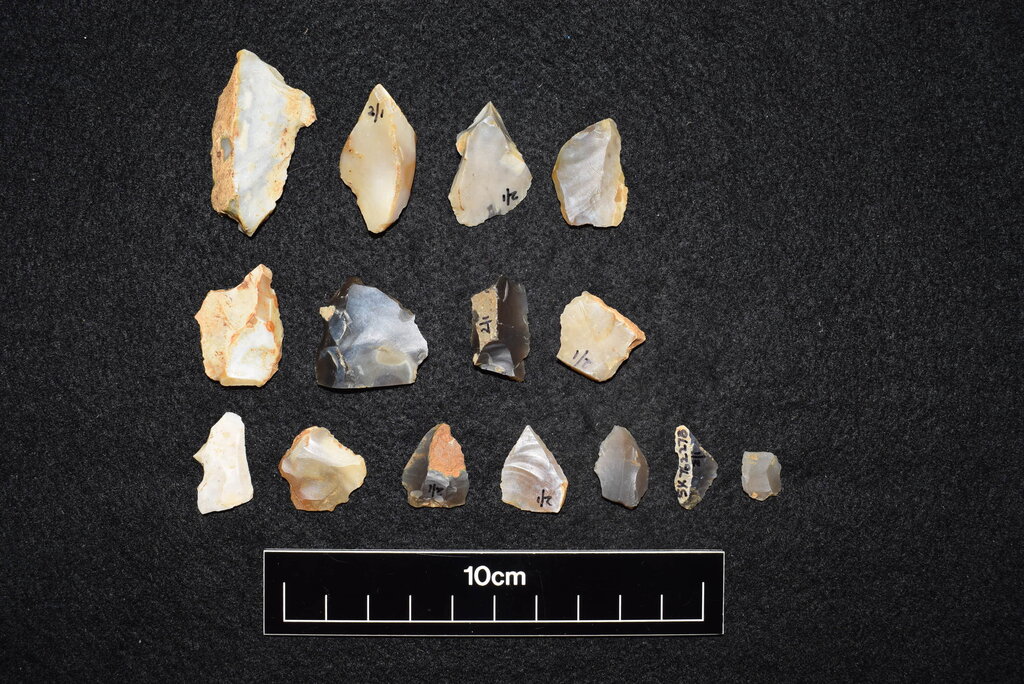
Around 10,000 years ago, as the last Ice Age ended, the climate warmed for good. Melting glaciers raised sea levels, and Britain became an island for the first time. This marked the beginning of the Mesolithic, or Middle Stone Age. The landscape changed to dense forest, and people adapted their hunting techniques for smaller game like wild boar and red deer. They developed more refined stone tools, known as microliths, which could be used as spear points or arrowheads.
The Farming Revolution
For millennia, survival depended on hunting and gathering. But around 4000 BC, a radical new idea arrived from the continent: farming. This shift, known as the Neolithic Revolution, transformed every aspect of life. Instead of following herds, people began to clear forests, plant crops like wheat and barley, and raise domesticated animals such as cattle, sheep, and pigs.
This new agricultural lifestyle meant people could stay in one place. They built permanent homes and villages, forming the first settled communities. One of the most remarkable surviving examples is the village of Skara Brae in Orkney, Scotland, where stone houses with furniture have survived for over 5,000 years.
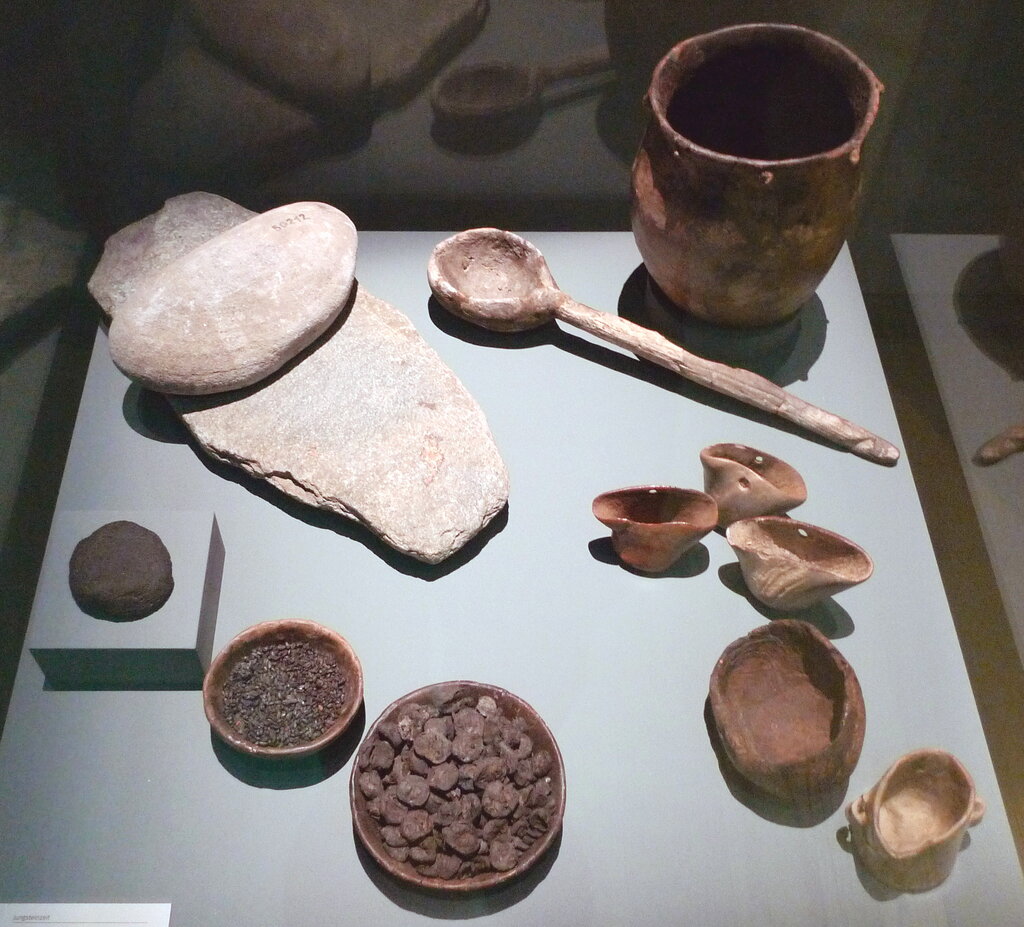
With a more stable food supply, the population grew. People had more time to develop new skills like pottery making and weaving. This new way of life also brought about a change in beliefs and social structures, leading to the creation of incredible monuments that still dot the landscape.
Monuments of Earth and Stone
The Neolithic period is famous for its megalithic (large stone) architecture. Communities worked together to build enormous structures that required immense planning and effort. These include long barrows, which were communal burial tombs, and henges, which were large circular enclosures made of earthworks, timber, or stone.
The most famous of these is Stonehenge in Wiltshire. Built in stages over more than a thousand years, its purpose remains a subject of debate. The massive stones are aligned with the movements of the sun, particularly the solstices, suggesting it was a kind of calendar or a place for ceremonies tied to the changing seasons.
But Stonehenge is not unique. Avebury, not far away, features a much larger henge enclosing an entire village. These monuments show that Neolithic people had sophisticated knowledge of engineering and astronomy, and a society organized enough to mobilize large numbers of workers for complex projects.
The Age of Metal
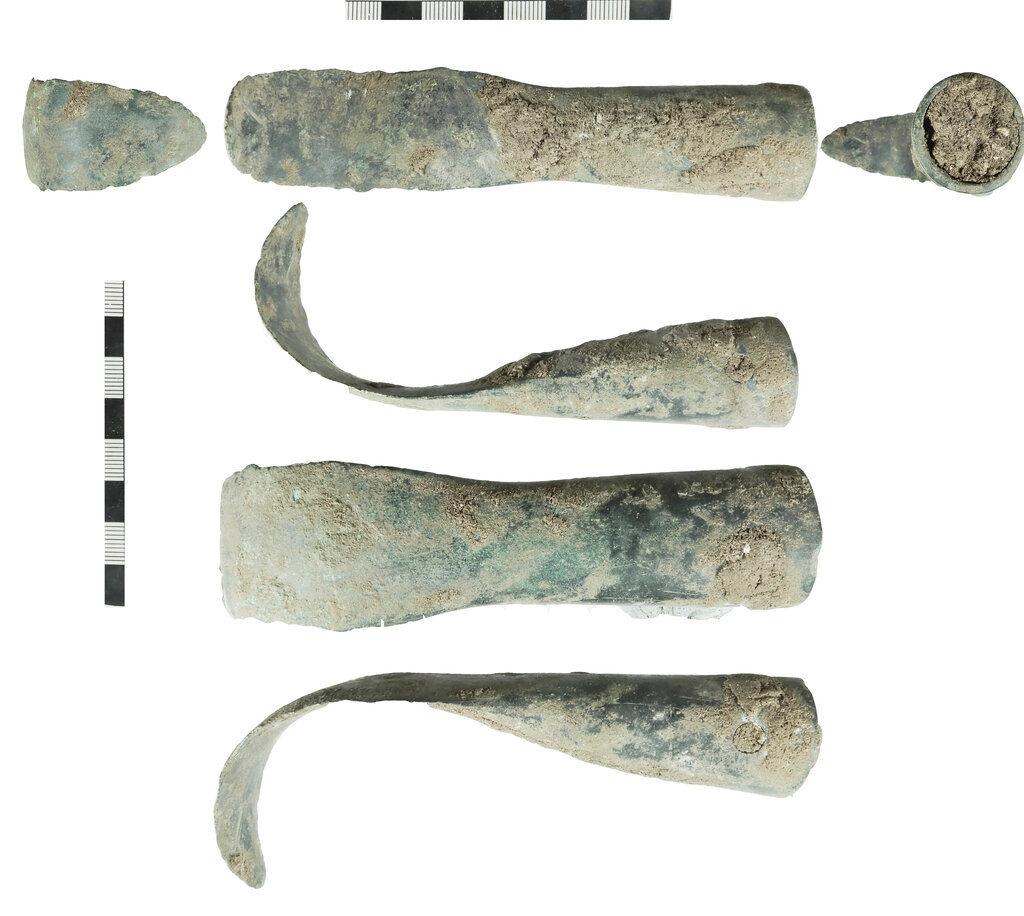
Around 2500 BC, another wave of change began with the arrival of people from the continent who knew how to work with metal. This marked the start of the Bronze Age. Copper, and later bronze (an alloy of copper and tin), were used to create tools, weapons, and ornaments that were stronger and more durable than stone.
Bronze was a valuable material, and its production and trade likely created powerful new social elites. This period is characterized by individual burials in round barrows, often with rich grave goods like bronze daggers and gold jewelry, suggesting a greater emphasis on individual status and power.
The final chapter of prehistoric Britain is the Iron Age, which began around 800 BC. Iron was more common than the copper and tin needed for bronze, making metal tools accessible to more people. This led to more efficient farming and a further increase in population.
Iron Age society was tribal and often competitive. A key feature of this period is the hillfort, massive defensive earthworks built on prominent hills. Places like Maiden Castle in Dorset were not just forts but also centers of trade, craft, and community life. By the time the Romans arrived in 55 BC, Britain was a complex tapestry of different tribes, each with its own culture and territory.
What major environmental change marked the beginning of the Mesolithic period in Britain?
The arrival of farming, known as the Neolithic Revolution, allowed people to build the first settled communities.
From the first flint tools to the mighty hillforts, prehistoric Britain saw immense change over thousands of years, laying the foundations for the nation that was to come.