The Gann Method Explained
Introduction to Gann Theory
The Market's Hidden Order
In the early 20th century, while many traders saw the stock market as a chaotic flurry of numbers, W.D. Gann saw a hidden blueprint. He was a legendary, and somewhat mysterious, figure on Wall Street, reputed to have made fortunes by predicting market movements with uncanny accuracy.
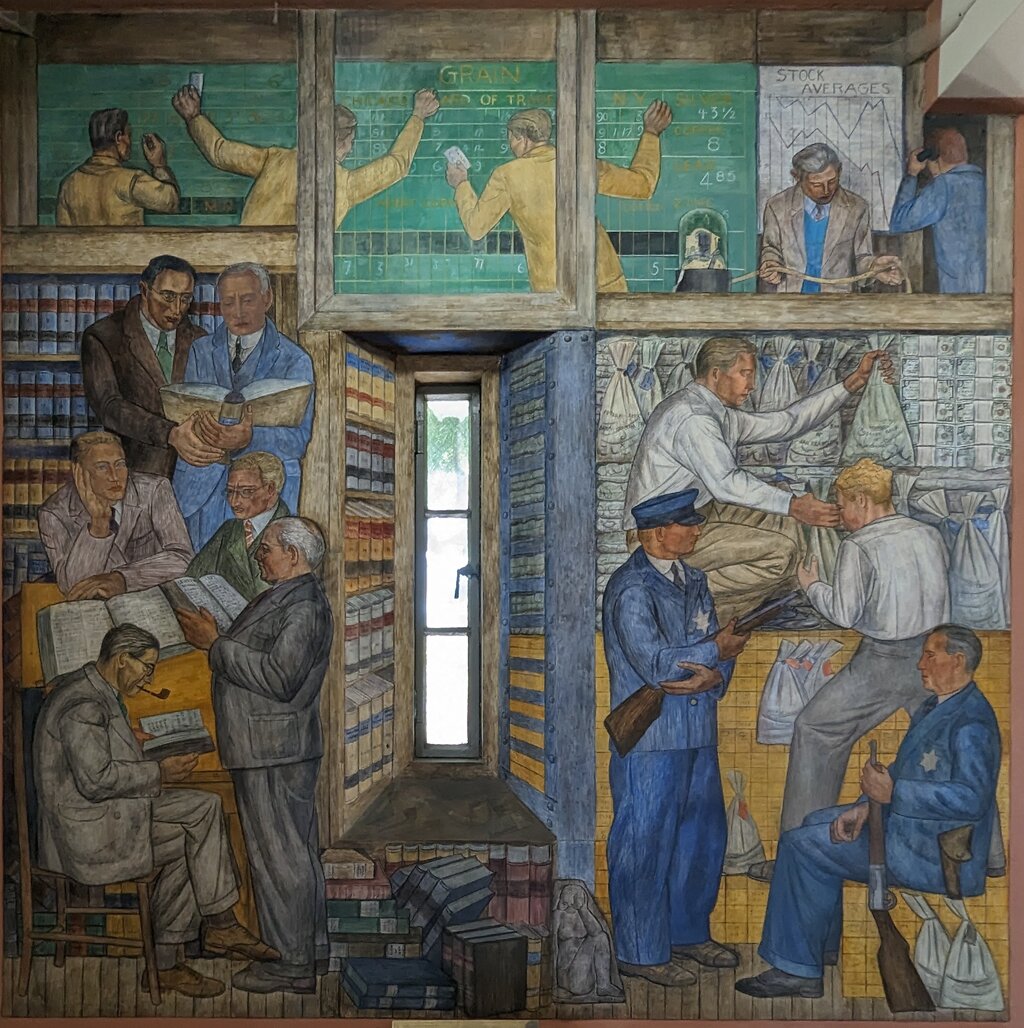
What set Gann apart was his core belief: financial markets are not random. He argued that they follow natural laws and move in predictable cycles, just like the planets or the seasons. To him, the ticker tape wasn't just noise; it was a coded message. His life's work was dedicated to cracking that code.
The Three Pillars
Gann's entire philosophy rests on the relationship between three key elements: price, time, and pattern. He believed that when these three factors align, you can forecast major market turning points.
Think of it like building a house. Price is the material, time is the construction schedule, and pattern is the architectural blueprint. You need all three for a complete structure.
Let's break them down:
-
Price: This isn't just about how high or low an asset goes. Gann focused on the relationship between different price levels. He believed certain price points acted as powerful magnets for support and resistance.
-
Time: For Gann, time was just as important as price, if not more so. He looked for cycles, anniversaries of past highs and lows, and specific time counts. The idea is that market moves have a natural lifespan; a trend can only last for so long before it's due for a reversal.
-
Pattern: Gann studied historical charts relentlessly to find repetitive patterns. He believed that because human nature is constant, the patterns created by human buying and selling would also repeat. History, he claimed, always repeats itself on the charts.
Cycles and Natural Law
The glue holding Gann's theories together is the idea of universal law. He studied ancient geometry, astrology, and mathematics, convinced that the same principles governing the natural world also applied to markets. He looked for recurring cycles, not just on a daily or weekly basis, but over decades.
For example, he identified major cycles lasting 60 years and minor ones lasting a single year. The core concept is that markets have a memory. Important dates, like the date of an all-time high, can influence market behavior when their anniversaries come around years later.
By understanding the past, Gann believed you could forecast the future. An important low from ten years ago might signal another important low is coming soon.
Gann's work is complex, and his methods require deep study. But the foundation is simple: markets are not a casino. They are a reflection of natural order, expressed through the dance of price, time, and pattern.
Time to see if these foundational ideas have clicked.
What was W.D. Gann's core philosophy regarding the nature of financial markets?
According to Gann, which three elements must align to forecast major market turning points?