The Galaxy Far, Far Away Star Wars
Origins of Star Wars
A New Kind of Myth
In the early 1970s, a young filmmaker named George Lucas had an idea. Fresh off the success of American Graffiti, he wanted to make a film reminiscent of the adventure serials he loved as a kid, like Flash Gordon. But he aimed for something deeper than just a simple space adventure. He wanted to craft a modern myth.
Lucas was heavily influenced by the work of mythologist Joseph Campbell, particularly his book The Hero with a Thousand Faces. Campbell argued that heroic myths across cultures share a fundamental structure, a pattern he called the monomyth, or the hero's journey. This framework involves a hero who goes on an adventure, wins a victory in a decisive crisis, and comes home changed or transformed.
Lucas saw this as a powerful tool for storytelling. He also drew inspiration from Akira Kurosawa's samurai films, especially The Hidden Fortress, which tells a story from the perspective of two lowly peasants, a device he adapted for C-3PO and R2-D2. He blended these elements with classic dogfights from World War II films to create a unique recipe: a fairy tale set in space, grounded in universal human themes.
Against the Grain
Lucas's vision was a tough sell in the Hollywood of the 1970s. The cinematic landscape was dominated by gritty, cynical, and realistic films. Directors were exploring the dark side of society with movies like The Godfather, Taxi Driver, and Chinatown. Even science fiction was often dystopian, offering bleak predictions of the future.
Against this backdrop, a hopeful, swashbuckling space opera with clear-cut heroes and villains seemed naive and out of touch. Most studios passed on the idea, unable to see the appeal. 20th Century Fox eventually took a gamble, but their faith in the project was shaky at best. They gave Lucas a modest budget and braced for a flop.
Lucas wanted to create an optimistic story for a generation disillusioned by the Vietnam War and Watergate, a simple tale of good versus evil.
Building a Universe
Bringing the sprawling vision to the screen was a monumental task. The script, originally titled The Adventures of Luke Starkiller, as taken from the Journal of the Whills, Saga I: The Star Wars, went through numerous drafts. Characters and plot points changed dramatically along the way.
To create the groundbreaking visual effects the story demanded, Lucas founded his own company, Industrial Light & Magic (ILM). The team at ILM pioneered new camera techniques and model-making processes, literally inventing the technology needed to make spaceships dogfight and planets explode. Their work on motion-control photography allowed for dynamic space battles that felt more real than anything audiences had ever seen.
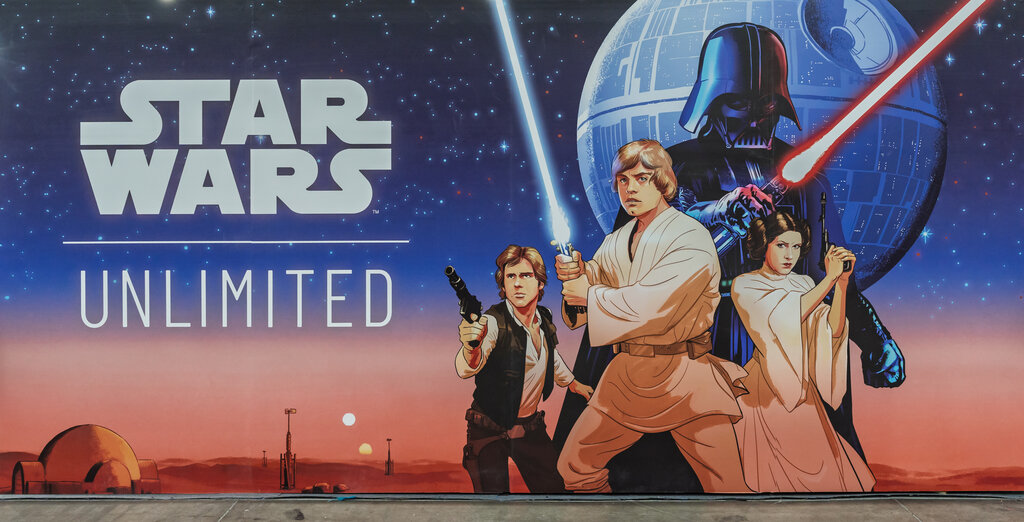
When it came to casting, Lucas chose mostly unknown actors for the lead roles. He believed this would help the audience immerse themselves in this new galaxy without the baggage of seeing a major movie star. Harrison Ford, Carrie Fisher, and Mark Hamill became household names overnight.
An Unexpected Phenomenon
Star Wars opened on May 25, 1977, in just 32 theaters. The studio had low expectations and focused its marketing on other films. But audiences responded immediately and powerfully. Word of mouth spread like wildfire, and lines stretched around the block. The film became a cultural event.
Its success was staggering and had a seismic impact on the film industry. Star Wars proved the immense financial potential of the summer blockbuster and revolutionized movie merchandising. Toys, posters, and lunchboxes flew off the shelves, creating a new and incredibly lucrative revenue stream for studios.
More importantly, it revitalized the science fiction genre and shifted the focus of Hollywood toward high-concept, special-effects-driven spectacles. The gritty realism of the early '70s gave way to a new era of cinematic fantasy and adventure. It was a film that not only launched a franchise but changed the way movies were made and experienced.