The Future of Work in the Age of AI
Introduction to Technology and AI in the Workplace
From Gears to Gigabytes
The tools we use at work have always shaped how we work. The Industrial Revolution brought machines that amplified physical strength, fundamentally changing manufacturing and agriculture. For the first time, output wasn't limited by human or animal power. Factories sprung up, and the nature of labor shifted from skilled crafts to operating machinery.
A similar shift happened in the 20th century, but this time it was about mental labor. The typewriter, telephone, and calculator streamlined office tasks. But the real game-changer was the personal computer. It brought digital power to individual desks, automating tedious calculations and record-keeping. Suddenly, one person could manage information that once required a team.
Then came the internet, connecting those computers and creating a global network for communication and information. Work was no longer tied to a physical location. This digital foundation paved the way for the next major transformation: artificial intelligence.
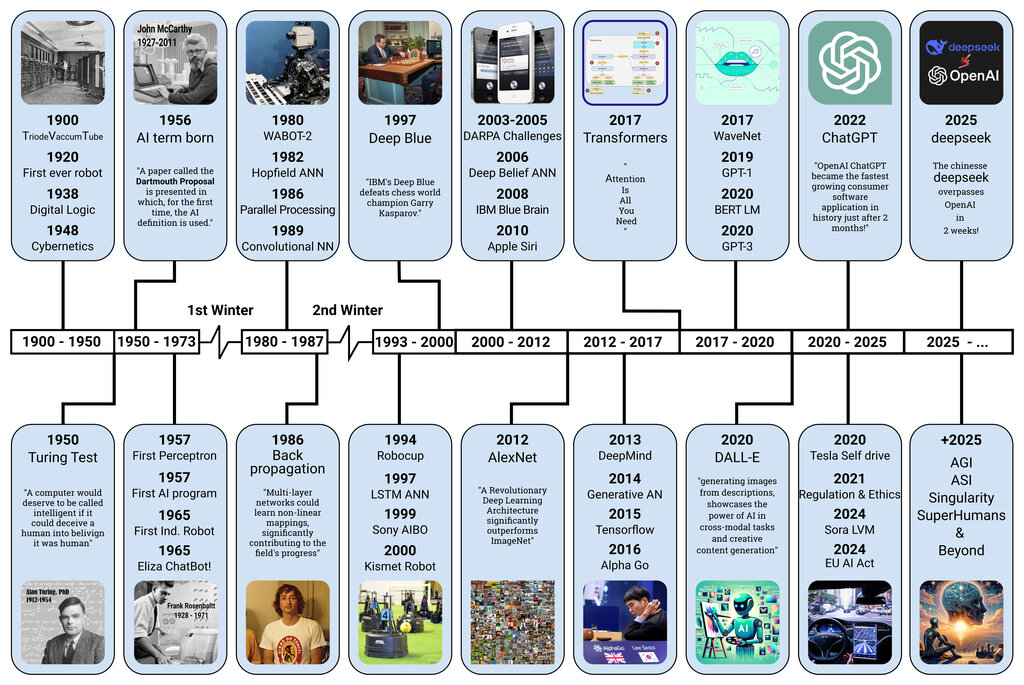
AI at Work Today
Artificial intelligence is no longer science fiction. It's a practical tool being used across industries to solve complex problems and improve efficiency. AI isn't one single thing; it's a broad field of technologies that can learn, reason, and adapt.
In healthcare, AI helps doctors analyze medical images like X-rays and MRIs, often spotting patterns invisible to the human eye. It can also sift through massive datasets to accelerate drug discovery. In finance, AI algorithms detect fraudulent transactions in real time and manage investment portfolios by analyzing market trends faster than any human trader.
Retail businesses use AI to personalize customer experiences. When an online store recommends products you might like, that's AI at work, learning from your browsing habits. It also optimizes supply chains, predicting demand to ensure products are in stock without over-ordering.
Even in manufacturing and logistics, AI is making a huge impact. It powers predictive maintenance, where sensors on machinery alert technicians to a potential failure before it happens, saving time and money. It also optimizes delivery routes for shipping companies, reducing fuel consumption and delivery times.
The goal of these AI applications is consistent: to process vast amounts of information, identify patterns, and make predictions or decisions to improve a process.
The Next Wave
The integration of AI into the workplace is still in its early stages. We can expect to see even more sophisticated applications in the coming years. One major trend is the rise of the Artificial Intelligence of Things (AIoT). This involves embedding AI directly into connected devices, from factory robots to office thermostats.
Instead of sending data from a sensor to a central cloud server for analysis, an AIoT device can make decisions on its own, instantly. Think of a security camera that doesn't just record video but can identify a potential threat and sound an alarm without human intervention. This makes systems faster and more robust.
Another trend is the continued evolution of generative AI, the technology behind tools like ChatGPT. These models are becoming increasingly capable of understanding complex instructions and generating creative content, from writing code to designing marketing materials. As these tools become more integrated into our daily software, they'll act as powerful assistants, helping us draft, brainstorm, and analyze information more effectively.
Artificial intelligence (AI) is a wide-ranging tool that enables people to rethink how we integrate information, analyze data, and use the resulting insights to improve decision making—and already it is transforming every walk of life.
Ready to check your understanding of how technology and AI are shaping the modern workplace?
According to the text, the impact of the personal computer on mental labor was most similar to the impact of which earlier innovation on physical labor?
A factory sensor that analyzes its own data to predict a part will fail and alerts a technician before it breaks is a direct application of which AI concept?
Understanding this technological evolution is the first step in navigating the changing world of work. By grasping the basics of how these tools function and where they're headed, we can better appreciate their impact on industries and daily tasks.