The Future of US Trucking Electric Power
Trucking Industry Overview
The Engine of the Economy
Almost every item you own, from the food in your fridge to the phone in your hand, was on a truck at some point. The U.S. trucking industry is the circulatory system of the economy, moving goods from ports, factories, and farms to warehouses, stores, and front doors. Without it, commerce would grind to a halt.
Trucking is the backbone of the nation’s freight system, carrying 85 percent of domestic cargo by value and 70 percent by weight.
This reliance on trucking highlights its immense economic impact. It's not just about moving boxes; it's about enabling every other industry to function, from manufacturing and retail to healthcare and construction. The scale of this operation is staggering, involving millions of people and vehicles working around the clock.
By the Numbers
To grasp the industry's size, let's look at some key figures. Annually, trucks move more than 11 billion tons of freight across the country. All that cargo translates into massive revenue, with the industry generating over $900 billion in gross freight revenues each year.

The trucking industry is also a major employer. It provides jobs for about 8.4 million people in roles ranging from logistics and dispatch to maintenance and management. Among them, roughly 3.5 million are professional truck drivers who form the core of the workforce.
| Metric | Annual Figure |
|---|---|
| Freight Moved | Over 11 billion tons |
| Gross Revenue | Over $900 billion |
| Total Employment | ~8.4 million people |
| Professional Drivers | ~3.5 million people |
An Industry of Small Businesses
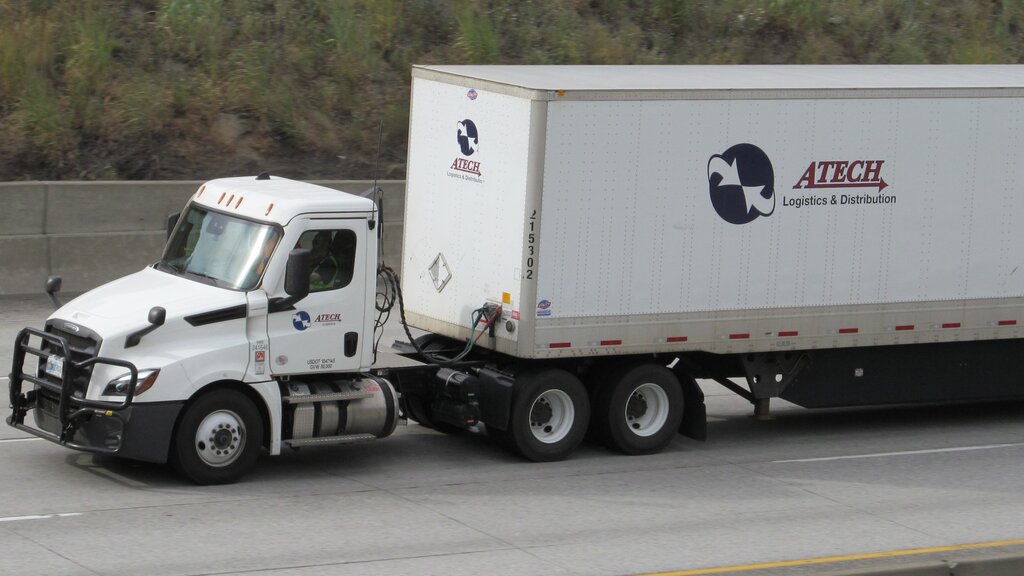
Despite the presence of a few large, well-known carriers, the trucking industry is overwhelmingly composed of small businesses. It's a common misconception that a handful of giant corporations dominate the roads. The reality is quite different.
Over 95% of trucking companies operate fleets of 10 or fewer trucks. An even larger majority, more than 90%, operate with six or fewer. This structure makes the industry highly fragmented and intensely competitive. Many drivers are owner-operators, meaning they own their truck and operate as an independent business. This entrepreneurial spirit is a defining characteristic of the industry.
Connecting the Continent
Trucking is essential for both domestic and international trade. Within the U.S., trucks are the primary mode of transportation for moving goods over land, connecting the vast network of producers and consumers.
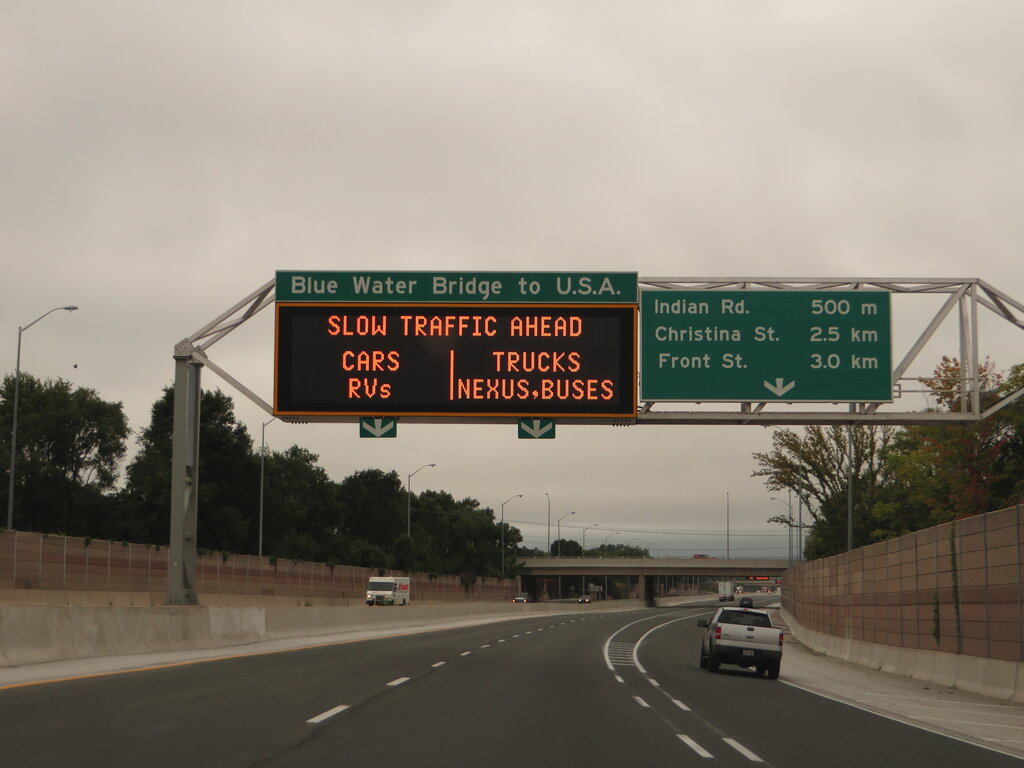
This role extends beyond national borders, especially in North America. Trucks carry the majority of surface trade between the United States, Canada, and Mexico. A significant portion of imports and exports, from automotive parts and electronics to agricultural products, crosses these borders on a semi-trailer. In a typical year, trucks are responsible for moving over 80% of the trade value between the U.S. and Mexico, and over 65% between the U.S. and Canada.
Let's test what you've learned about the trucking industry's role in the economy.
Which statement best describes the structure of the U.S. trucking industry?
Approximately how much gross freight revenue does the U.S. trucking industry generate annually?
The trucking industry is a complex and vital part of our daily lives, built on the hard work of millions and the efficiency of a network that connects every corner of the country.