The Future of Sustainable Housing Hemp Homes
Introduction to Prefabricated Hemp Homes
Homes Made from Hemp
Imagine building a house with materials that are grown, not manufactured in a complex industrial process. That's the basic idea behind hemp homes. These buildings use a unique, eco-friendly material called hempcrete for their walls and insulation.
Hempcrete
noun
A biocomposite material made from mixing the woody inner core of the hemp plant (hemp hurds) with a lime-based binder and water. It's used for insulation and construction.
Hempcrete is light, strong, and a great insulator, keeping homes cool in the summer and warm in the winter. It's also breathable, which helps prevent mold by regulating moisture inside the walls.
But what makes these homes even more interesting is how they're built. Many are prefabricated. This means large sections of the house, like walls or entire room modules, are built in a factory under controlled conditions. Once finished, these pieces are transported to the building site and assembled, kind of like a life-sized set of building blocks.
An Old Idea Made New
Using plant-based materials mixed with lime for construction isn't a new concept. Ancient Romans used a similar technique to create durable structures. However, using industrial hemp for modern construction saw a major revival in France in the 1980s as a way to restore old timber-frame houses.
The idea of prefabrication is also a century old. In the early 20th century, companies like Sears, Roebuck and Co. sold 'kit homes'. Customers could order an entire house from a catalog, and all the pre-cut pieces would be shipped by railroad for assembly.
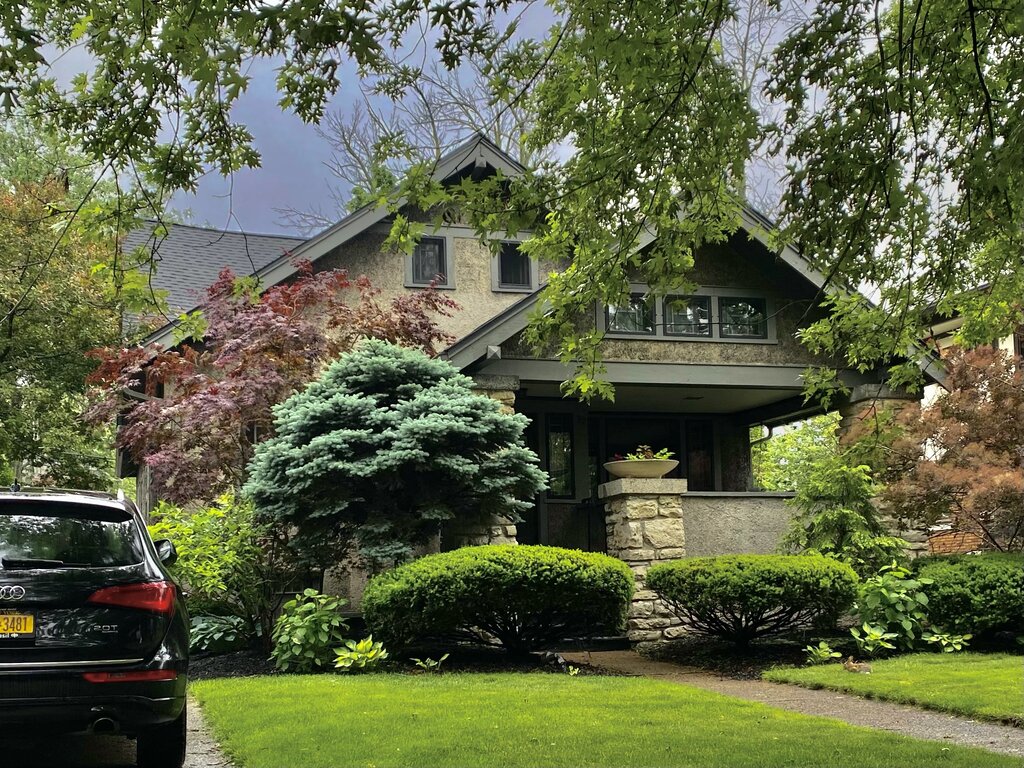
Combining these two ideas, prefabricated hemp homes merge historic, natural materials with modern, efficient building methods.
Building Like Blocks
The core principle of prefabrication is simple: build parts in a factory, then assemble them on site. This approach has several advantages over traditional construction, where everything is built from scratch outdoors.
In a factory, conditions are controlled. There are no delays because of rain, snow, or extreme heat. This controlled environment leads to higher quality and more precise construction. It also significantly reduces waste, since materials can be measured and cut exactly, with leftovers often being recycled for another project.
Factory-built sections mean less time and labor are needed at the actual home site. A prefabricated home can often be assembled in days or weeks, while a traditional build can take many months.
When applied to hemp homes, this means wall panels filled with hempcrete insulation are created in the factory. These panels are then shipped to the location, lifted into place by a crane, and connected to form the structure of the house. This makes building a sustainable home faster and more predictable.
Let's review the main concepts.
Ready to test your knowledge?
What is the primary material used for the walls and insulation in the homes described?
What does the term "prefabricated" mean in the context of building a house?
This method combines the natural benefits of hempcrete with the efficiency of modern manufacturing, offering a promising path toward more sustainable housing.