The Future of Physical AI and Humanoid Robots
Introduction to Humanoid Robots
What Makes a Robot Humanoid?
A humanoid robot is a machine built to resemble the human body. This might seem obvious, but the design choice is deeply practical. By mimicking our form—a torso, two arms, two legs, and a head—these robots are created to operate in environments built for people. They can, in theory, use our tools, navigate our stairs, and walk through our doorways without any special modifications to the world around them.
Humanoid robots were invented to effortlessly incorporate into human environments and social structures.
Key characteristics define a humanoid. They typically have a sensor-rich head that houses cameras and other instruments to perceive the world, much like our eyes and ears. Their limbs are designed for interaction, from grasping objects to maintaining balance while walking. This ability to walk on two legs, known as bipedal locomotion, is one of the most complex challenges in robotics and a hallmark of humanoid design.
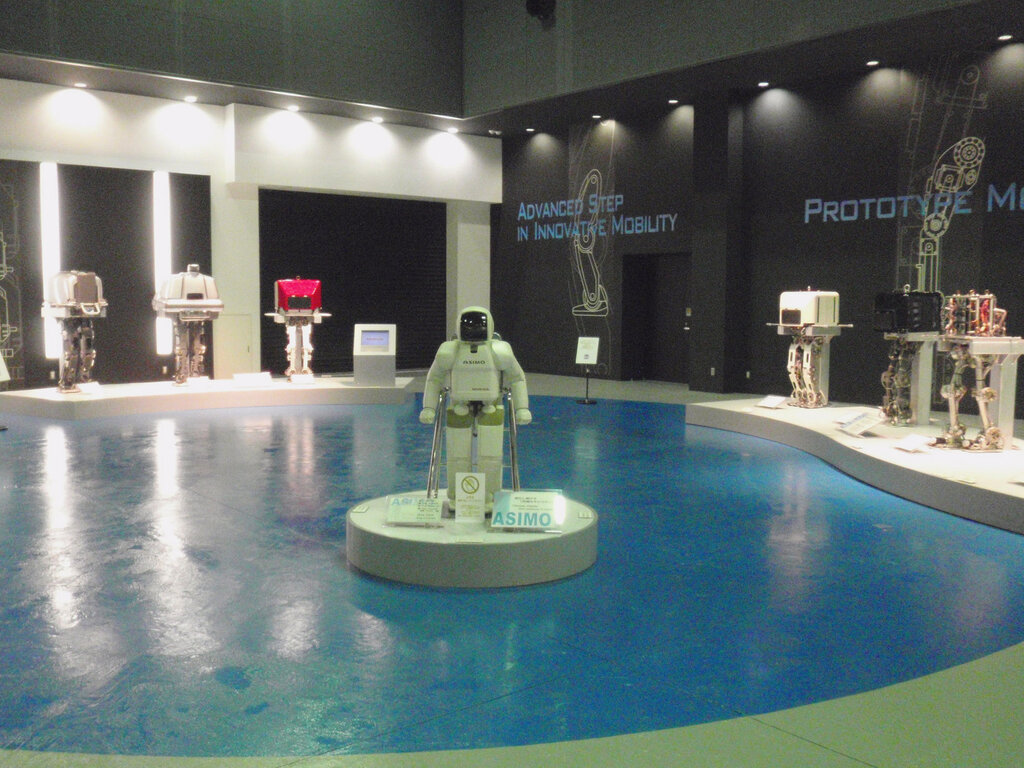
From Fiction to Factory
The idea of human-like machines has been around for centuries, but the journey to creating them is a story of slow, steady technological progress. Early automatons were mechanical marvels, but the modern humanoid robot is a product of advancements in computing, materials, and artificial intelligence. The timeline below highlights a few key moments in this evolution.
| Year | Milestone | Significance |
|---|---|---|
| 1973 | WABOT-1 | Developed in Japan, it was the first full-scale humanoid, able to walk and communicate. |
| 1996 | Honda P2 | The first self-regulating, bipedal humanoid robot, setting the stage for ASIMO. |
| 2000 | ASIMO | Honda's creation could walk, run, and interact with people, becoming an icon of robotics. |
| 2013 | Atlas | Boston Dynamics unveiled a robot with remarkable dynamic balance and agility. |
Each of these milestones represents a leap in engineering. Moving from the slow, shuffling gait of early models to the fluid, dynamic movements of modern robots required decades of research into balance, power, and control.
Humanoids at Work
Today, humanoid robots are moving out of the lab and into the real world. Their versatility makes them suitable for a wide range of jobs across different industries. They are no longer just research platforms; they are becoming practical tools.
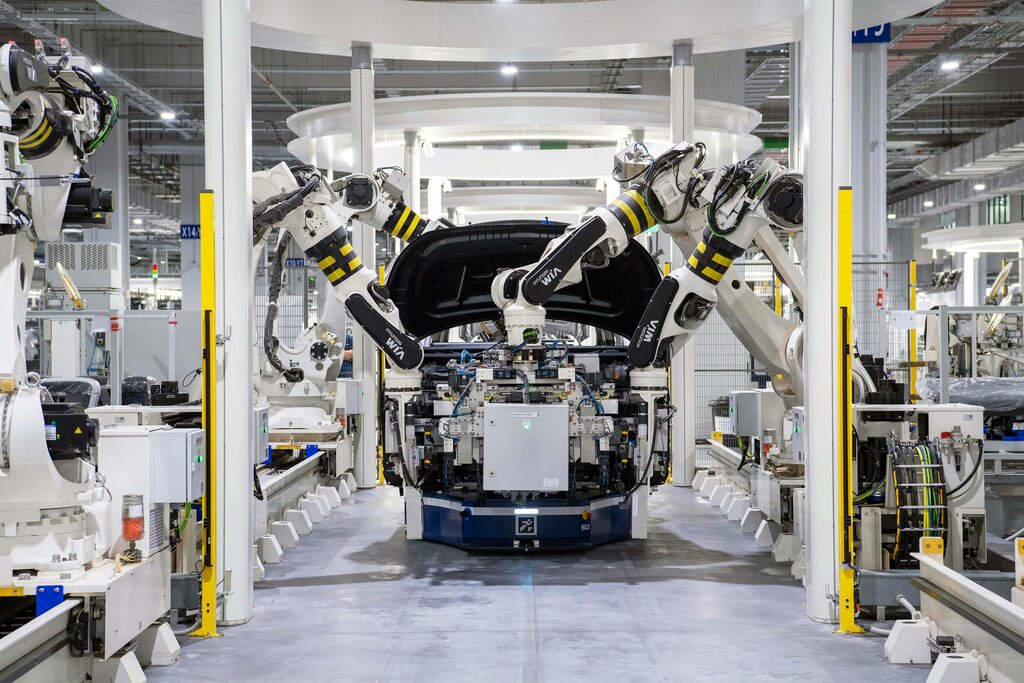
In manufacturing, humanoids can perform tasks that require more dexterity than traditional robotic arms. They can work alongside humans on assembly lines, handling complex components or operating machinery designed for people. This is especially valuable in logistics and warehousing, where robots can pick, pack, and transport goods in spaces designed for a human workforce.
Healthcare is another promising area. Humanoid robots can assist with patient care, lifting and moving individuals, or delivering supplies in hospitals. They can also act as companions for the elderly. In the service industry, they are being tested as greeters, information guides, and even baristas. The core advantage is always the same: their human-like form allows them to integrate into our existing workflows with minimal disruption.
By fitting into our world, humanoid robots can automate tasks without forcing us to completely redesign our environments for them.
Let's review the key concepts we've covered.
Now, check your understanding with a few questions.
What is the primary practical reason for designing robots with a humanoid form?
The ability of a humanoid robot to walk on two legs is known as what?
The development of humanoid robots is a significant step in modern technology, blending advanced engineering with a design that is fundamentally familiar to us.