The Future of Education
Introduction to Educational Transformation
Education for a Changing World
The world is changing faster than ever before. We face complex global challenges, from climate change and economic shifts to social inequality. The way we've always done things is no longer enough, and that includes how we learn. Education must evolve to prepare people not just for a job, but for a future we can't yet predict.
This calls for a fundamental shift in our thinking. For centuries, education has often focused on transferring a fixed set of knowledge from teacher to student. The goal was to master a body of facts. But in an age where information is instantly available, that model is obsolete. We need to reimagine what a classroom is, what a curriculum should do, and how a learning system can serve everyone.
The goal is no longer just to learn, but to become a lifelong learner—someone who can adapt, think critically, and collaborate to solve new problems as they arise.
The Pillars of Transformation
Transforming education isn't about a single solution; it's about rebuilding the system on a new foundation. This foundation rests on several key pillars that work together to create a more effective, humane, and relevant learning experience for all.
First, we must create learning environments that are genuinely inclusive, equitable, safe, and healthy. This means every learner, regardless of their background, identity, or ability, feels a sense of belonging and has the support they need to succeed. It's about more than just physical safety; it's about psychological safety, where students are empowered to take risks, ask questions, and be their authentic selves.
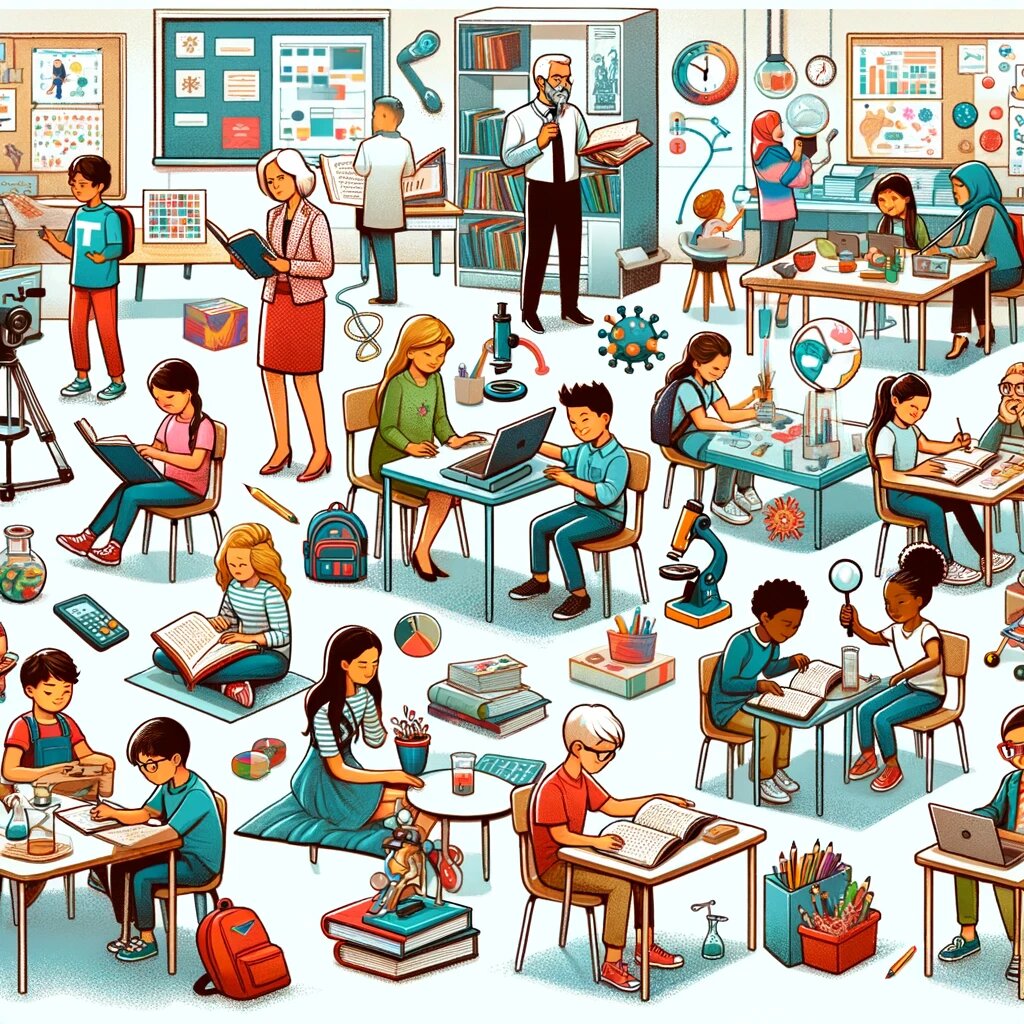
Next, education must focus on developing skills for life, work, and sustainable development. While foundational knowledge like reading and math remains crucial, it's not the whole story. Today's world demands creativity, critical thinking, communication, and collaboration. It also requires an understanding of our interconnected world and the skills to contribute to a more sustainable and just society.
Of course, this transformation is impossible without enhancing the teaching profession. Teachers are the heart of the education system. They need to be supported, respected, and empowered as professionals. This means providing high-quality training, fair compensation, opportunities for collaboration, and the autonomy to innovate in their classrooms. Their role is shifting from being a sole source of information to a facilitator of learning, a guide who helps students navigate a complex world.
It emphasizes the evolving role of teachers as facilitators and the importance of fostering student initiative in AI-rich environments.
Finally, we must thoughtfully leverage digital learning. Technology is not a silver bullet, but it is a powerful tool. When used effectively, it can personalize learning, bridge geographical divides, and provide access to a universe of resources. The goal is to integrate technology in ways that enhance human connection and critical thinking, not replace them. Digital transformation is about using tools to support a more student-centered and equitable educational philosophy.
Ultimately, the purpose of this great reimagining is to create a more just and sustainable future. By addressing inequalities within the schoolhouse walls, education can become a powerful force for social cohesion and positive change in the world outside.
According to the text, what is the primary reason the traditional model of education, focused on transferring a fixed set of facts, is considered obsolete?
Which of the following is NOT listed as one of the four key pillars for transforming education?
This course will explore these transformative trends, looking at the challenges and opportunities that lie ahead as we work to build the future of education.