The Fundamentals of Music
Introduction to Music Elements
The Building Blocks of Music
Every piece of music, from a simple nursery rhyme to a complex symphony, is built from the same fundamental ingredients. These are the elements that composers and musicians manipulate to create emotion, energy, and beauty. Understanding these four core components—melody, harmony, rhythm, and timbre—is the first step to appreciating how music works its magic.
Melody
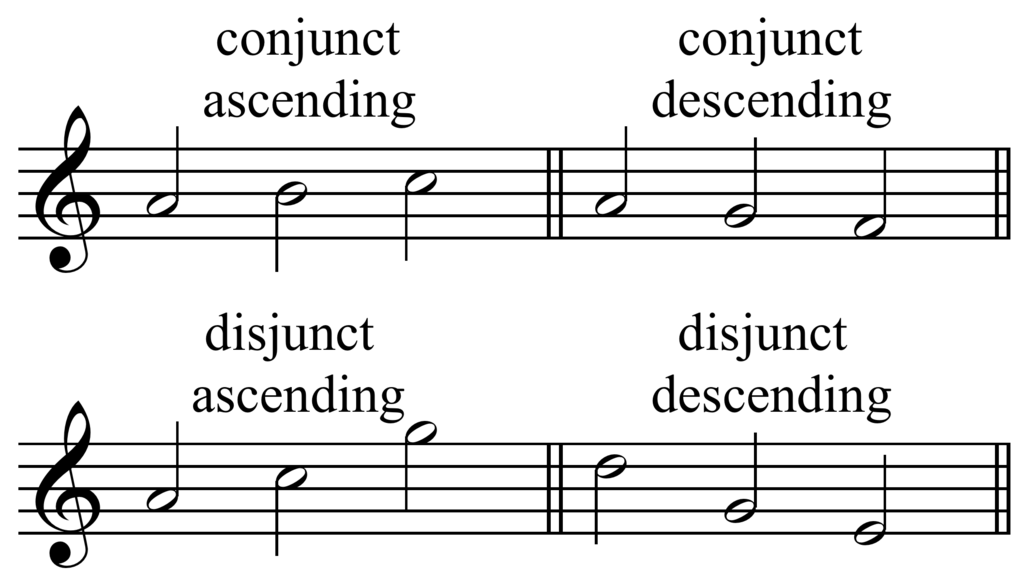
If a song were a story, the melody would be the main character. It's the sequence of notes that you hum along to, the tune that gets stuck in your head. A melody is created by arranging a series of musical pitches in a particular order, one after another. It has a shape, moving up and down, and it's the part of the music that feels most like a voice telling a story.
Melody
noun
A sequence of single notes that is musically satisfying; the principal part in a piece of music.
Think of "Twinkle, Twinkle, Little Star." The words change, but the sequence of notes stays the same. That's the melody. It can be simple and singable, or complex and intricate, but it provides the musical line that our ears follow.
Harmony
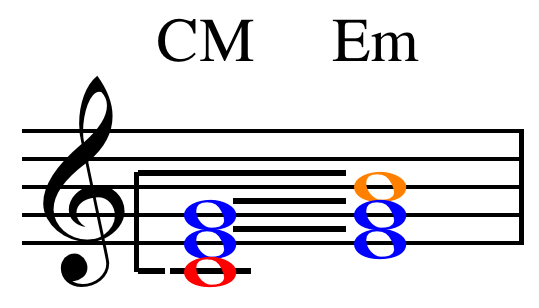
While melody is the main character, harmony is the scenery and the supporting cast. It’s what happens when multiple notes are played at the same time. These combinations of notes, called chords, add depth, texture, and emotional color to the melody. Harmony is what makes a song sound full and complete.
Harmony
noun
The combination of simultaneously sounded musical notes to produce a pleasing effect.
Listen to a lone singer, and you hear melody. When a guitar plays chords underneath that singer, you hear harmony. The harmony supports the melody and can dramatically change the mood. The same melody can sound happy or sad depending on the chords played with it.
Rhythm
Rhythm is the heartbeat of music. It’s the pattern of sounds and silences over time. Rhythm organizes music and gives it a sense of forward movement. It's the element that makes you want to tap your foot, clap your hands, or dance.
Rhythm
noun
A strong, regular repeated pattern of movement or sound.
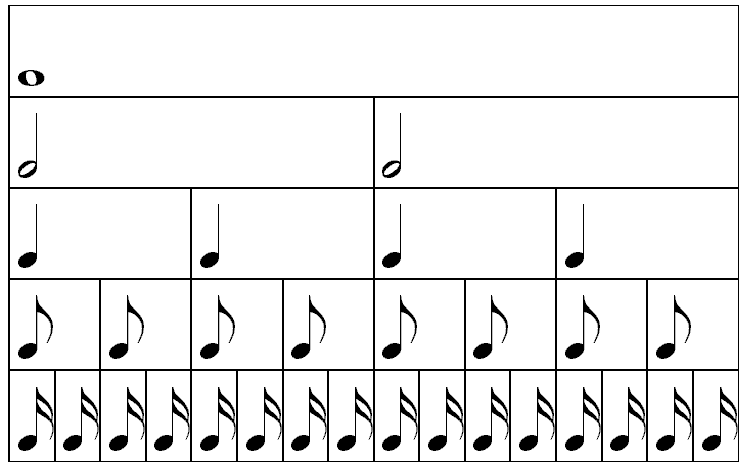
Rhythm is all about duration—how long a note is held or how long a silence lasts. Musicians use different types of notes (whole notes, half notes, quarter notes) to create rhythmic patterns, from the simple, steady pulse of a rock song to the complex, shifting patterns of jazz.
Without rhythm, music would just be a collection of disconnected sounds. It's the framework that holds everything together.
Timbre
If you and a friend both sing the exact same note, your voices will still sound different. That unique sound quality is called timbre (pronounced TAM-ber). It's often described as the "color" of a sound. Timbre is what allows us to distinguish between a violin and a trumpet playing the same melody at the same volume.
Timbre
noun
The character or quality of a musical sound or voice as distinct from its pitch and intensity.
Every instrument and every voice has its own unique timbre. A piano sounds different from a guitar. A flute sounds different from a clarinet. Composers use this wide palette of sound colors to create texture and variety in their music, much like a painter uses different colors on a canvas.
These four elements—melody, harmony, rhythm, and timbre—are the foundation of all music. By learning to listen for them, you can deepen your understanding and enjoyment of any song.
Ready to test your knowledge? Let's see how well you can identify these core concepts.
Which element of music is described as the main tune or the sequence of notes you'd hum along to?
The unique sound quality or 'color' that allows you to distinguish between a piano and a violin playing the same note is called timbre.