The Fundamentals of Music
Introduction to Music Elements
The Building Blocks of Music
Every song you've ever heard, from a simple nursery rhyme to a complex symphony, is built from the same fundamental parts. Just like a story is made of words and sentences, music is made of specific elements that work together to create the sounds we love. Understanding these pieces helps us hear music in a whole new way.
The four most essential elements are rhythm, melody, harmony, and form. They are the composer's toolkit, used to build emotion, tell stories, and make music that moves us.
Rhythm The Heartbeat
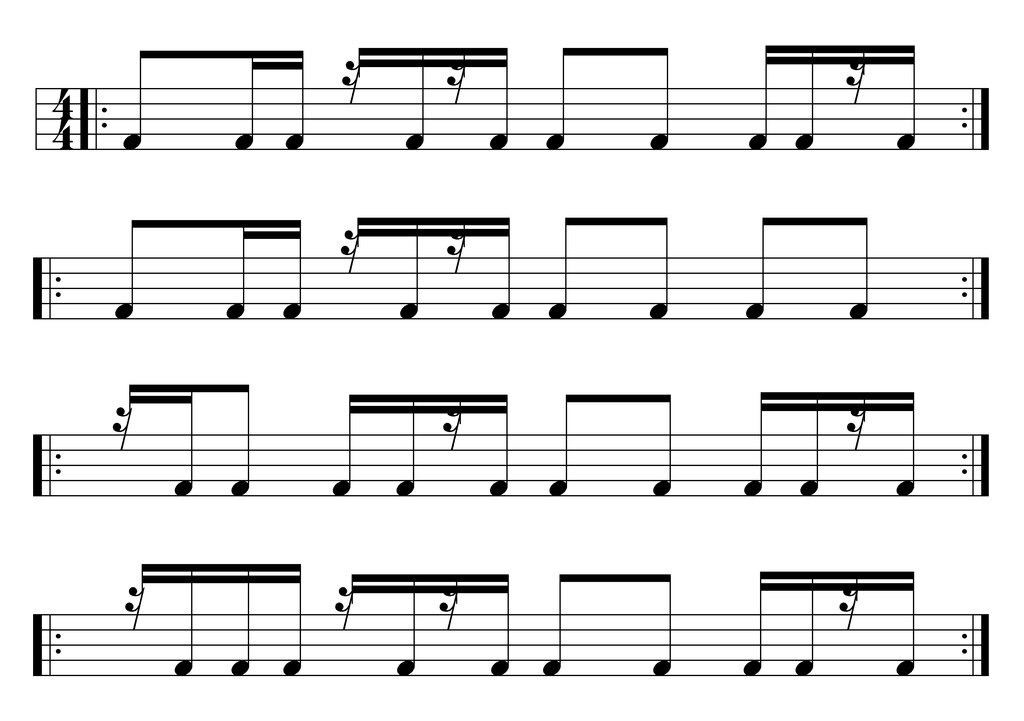
Rhythm is the engine of music. It's the pattern of sounds and silences arranged in time. Think of it as the pulse or heartbeat of a song—it’s what makes you want to tap your foot, clap your hands, or dance. Rhythm gives music its sense of forward movement and energy.
It organizes sound into patterns, creating the groove that everything else is built upon. Without rhythm, music would just be a random collection of noises.
Rhythm
noun
The arrangement of sounds and silences in time, creating a pattern of beats and accents.
Melody The Tune
If rhythm is the heartbeat, melody is the voice. A melody is a sequence of musical notes that we perceive as a single entity. It's the part of the song you sing along to—the main tune that gets stuck in your head.
A melody has two key characteristics: pitch (how high or low the notes are) and duration (how long each note lasts). The combination of these creates a unique melodic shape, or contour. Some melodies are smooth and flowing, while others might be jagged and jumpy.
Harmony The Backdrop
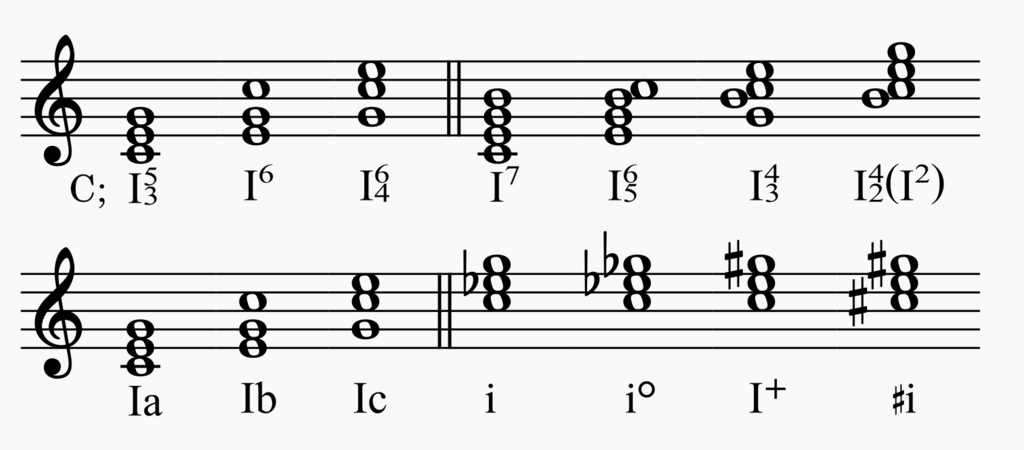
While the melody provides the main tune, harmony adds depth and color. Harmony is what happens when two or more notes are played at the same time. These combinations of notes are called chords. Harmony supports the melody and provides the emotional context for the music.
Think of melody as a person walking in the foreground of a painting. Harmony is the scenery behind them—the sky, the trees, the mountains. It fills out the sound and can make a piece feel happy, sad, tense, or peaceful.
A change in harmony can completely transform the feeling of a melody, even if the melody itself stays exactly the same.
Form The Blueprint
Form is the overall structure or plan of a piece of music. It's the arrangement of different musical sections. Like the chapters in a book or the scenes in a movie, form gives music a sense of organization and makes it easier for our brains to follow along.
Composers use repetition and contrast to create form. You might hear a section of music, then a different one, and then the first one might return. This pattern of sections is the song's form. Common sections you might recognize are the verse, chorus, and bridge in a pop song.
These four elements—rhythm, melody, harmony, and form—are present in almost every piece of music you hear. As you continue your journey, you'll learn to hear how they interact and shape the music you experience.