The Fundamental Attribution Error
Introduction to Attribution Theory
Explaining Why Things Happen
Imagine you're waiting for a friend who is late. As the minutes tick by, your mind starts to race. Are they stuck in traffic? Did they forget? Are they just inconsiderate? The explanation you land on will shape how you feel and how you greet them when they finally arrive.
We are all amateur psychologists, constantly trying to figure out why people do what they do. This process of explaining the causes of behavior and events is what social psychologists call attribution.
Attribution
noun
The process of inferring the causes of events or behaviors.
Attribution theory is the study of these explanations. It explores the mental shortcuts and rules we use to make sense of our social world. The conclusions we draw, whether accurate or not, have a powerful impact on our relationships, judgments, and actions.
Person or Situation?
When we try to explain a behavior, we generally look to one of two places for the cause: the person's character or the surrounding circumstances. These are the two basic types of attribution.
Internal (Dispositional) Attribution: The cause is assigned to a person's individual characteristics, like their personality, ability, or effort.
External (Situational) Attribution: The cause is assigned to factors outside the person, such as the task's difficulty, luck, or social pressure.
Let’s go back to your late friend. If you decide they are late because they are disorganized and don't respect your time, you're making an internal attribution. You're blaming their disposition.
But if you assume they were delayed by a subway shutdown or a family emergency, you're making an external attribution. You're blaming the situation.
| Scenario | Internal Attribution (The Person) | External Attribution (The Situation) |
|---|---|---|
| A coworker misses a deadline. | "He's lazy and unreliable." | "He must have been given too much work." |
| Someone aces a difficult exam. | "She's incredibly smart." | "The professor made the test easy." |
| A cashier is rude. | "What a grumpy person." | "They're probably having a really stressful day." |
The Theory's Origins
The idea of attribution theory began with psychologist Fritz Heider in the 1950s. Heider was fascinated by how we make sense of our social interactions. He proposed that people are like naive scientists, trying to understand the causes of behavior to make the world more predictable.
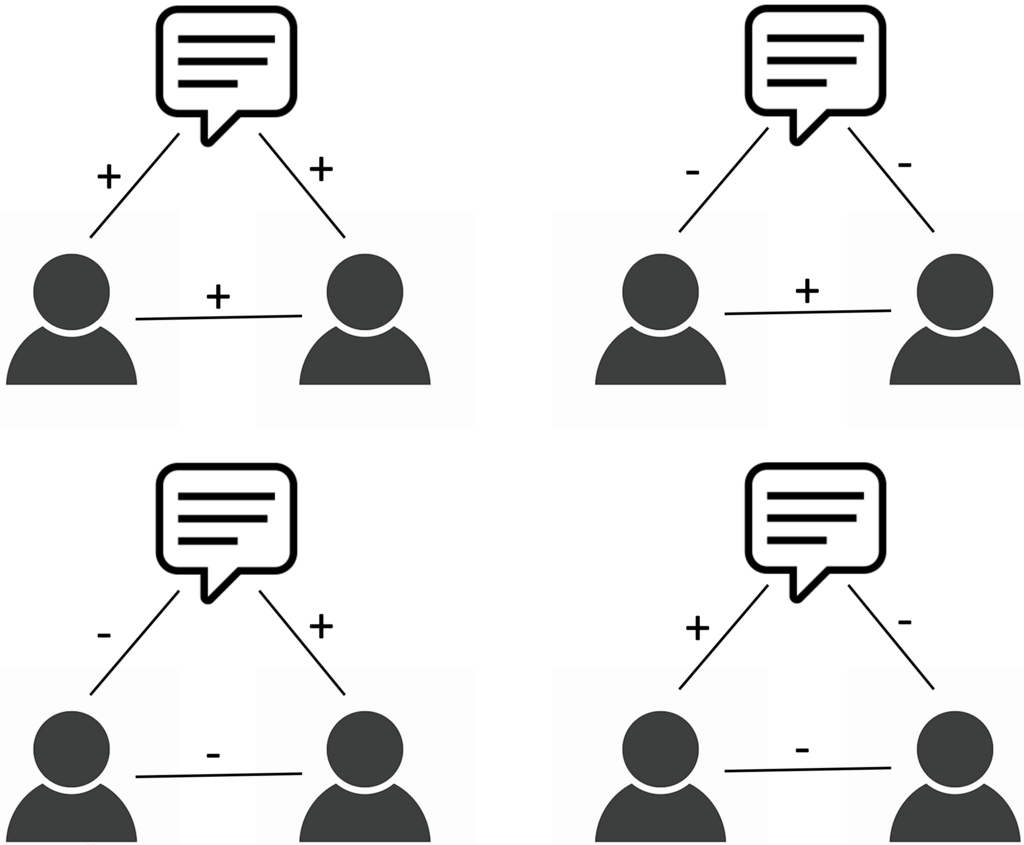
Heider introduced the fundamental distinction between internal and external causes. He argued that we tend to prefer internal explanations for others' behavior because a person's character seems like a more stable and reliable cause than a fluctuating situation.
Later, psychologists like Harold Kelley and Bernard Weiner expanded on Heider's work. They developed more detailed models to explain how we weigh different factors—like consistency and consensus—when deciding whether a cause is internal or external. Their work helped build attribution theory into a cornerstone of social psychology.
What is the core idea behind attribution theory?
You see a classmate fail an exam. If you think, "They must not be very smart," you are making an internal attribution.
Understanding how we attribute causes is the first step in recognizing the common biases and errors that can shape our perception of others.