The French Revolution Explained
Ancien Régime
The Old Order
Before the French Revolution erupted in 1789, France operated under a system known as the Ancien Régime, or the “Old Order.” This was the way things had been for centuries, a complex web of tradition, power, and inequality that defined every aspect of life. To understand why a revolution was necessary, we first have to understand the world it replaced.
The Absolute King
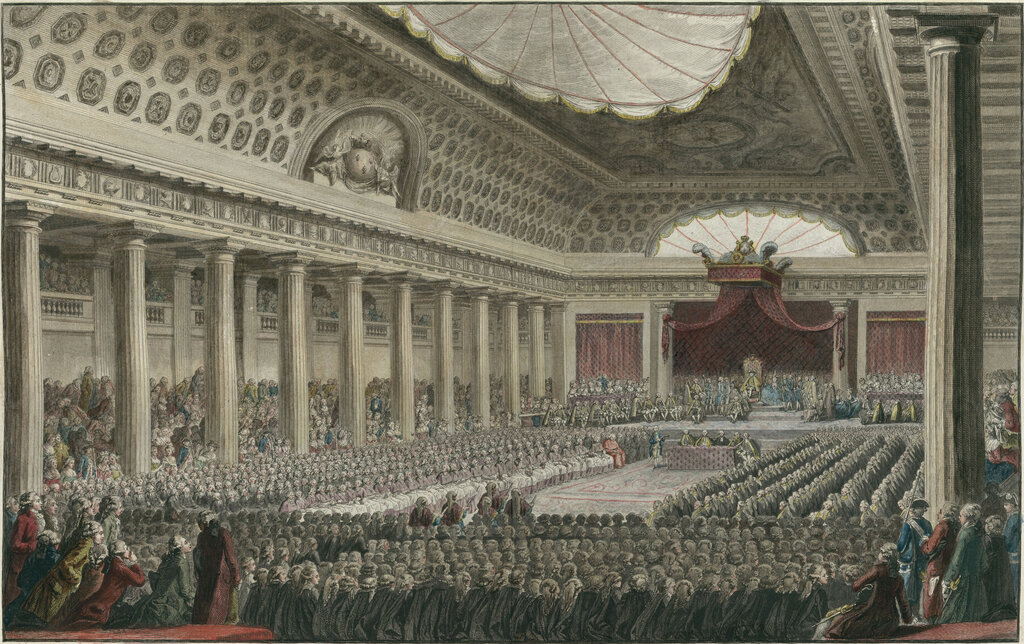
At the top of the Ancien Régime was the king. France was an absolute monarchy, which meant the king's authority was, in theory, total. He answered to no one but God. This idea was called the “divine right of kings,” and it gave rulers like Louis XVI immense power. The king could make laws, declare war, and decide on taxes without consulting any elected body.
His decisions were final. While he had advisors and ministers, the ultimate power rested in his hands. The grand palace of Versailles was the symbol of this power, a dazzling display of wealth and authority far removed from the lives of ordinary people.
A Society Divided
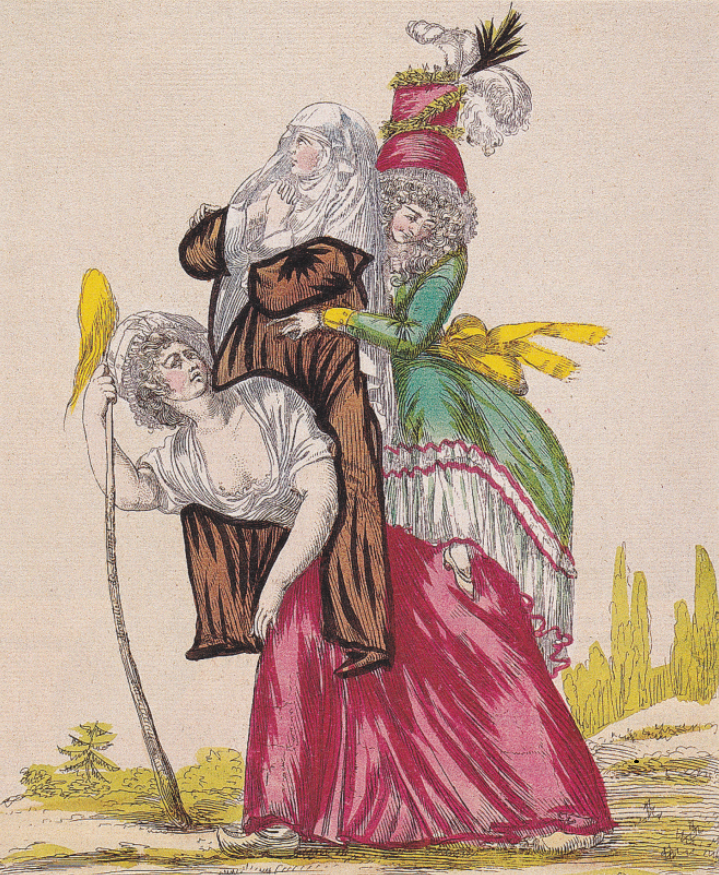
French society was rigidly divided into three legal categories, or “estates.” A person’s rights, opportunities, and obligations depended almost entirely on which estate they were born into. This system was a holdover from the Middle Ages and formed the bedrock of the Ancien Régime.
| Estate | Who They Were | Population (Approx.) | Privileges & Burdens |
|---|---|---|---|
| First Estate | The Clergy (church officials) | 1% | Owned 10% of land. Paid no direct taxes to the state. Collected tithes. |
| Second Estate | The Nobility | 2% | Owned 25% of land. Held top jobs in government and the military. Paid few taxes. |
| Third Estate | Everyone else (peasants, city workers, bourgeoisie) | 97% | Owned little land. Had no special privileges. Paid heavy taxes to the king, church, and lords. |
The First and Second Estates were the privileged orders. They enjoyed immense wealth, social status, and exemption from most taxes. The Third Estate, which included everyone from poor farmers to wealthy merchants, carried the weight of the nation on its shoulders. They had almost no political power and bore nearly the entire tax burden.
Bourgeoisie
noun
The middle class of the Third Estate, including merchants, professionals, and artisans. They were often wealthier and more educated than the peasants but lacked the privileges of the nobility.
An Empty Treasury
By the late 1780s, France was on the brink of bankruptcy. The government had spent lavishly on wars, including its support for the American Revolution, and the royal court was famous for its extravagance. To cover its debts, the crown needed to raise money, but its options were limited.
The tax system was deeply unfair and inefficient. The wealthiest estates, the clergy and nobility, were largely exempt. The burden fell on the Third Estate, especially the peasants, who were hit with taxes like the taille (a land tax), the gabelle (a hated salt tax), and fees paid to their local lords. This system not only failed to generate enough revenue but also deepened the resentment of the common people.
Decades of fiscal mismanagement created a crisis. The government was borrowing more and more money just to pay the interest on its existing debts. Something had to give.
New Ideas Take Hold
Meanwhile, a powerful intellectual movement known as the Enlightenment was sweeping across Europe. Thinkers like Jean-Jacques Rousseau, Voltaire, and Montesquieu challenged traditional ideas about government and society. They championed reason, individual rights, and the idea that a government's power should come from the consent of the governed, not from divine right.
These ideas spread through pamphlets, books, and discussion groups, especially among the educated bourgeoisie. They began to question the legitimacy of the absolute monarchy and the privileges of the nobility. If all men were born with natural rights to life, liberty, and property, why was French society so unequal? This critical thinking laid the intellectual groundwork for revolution.
Ready to test your knowledge on the Ancien Régime?
What was the theoretical basis for the king's authority in the Ancien Régime?
Which of the following groups bore the vast majority of the tax burden in pre-revolutionary France?
The combination of an outdated social structure, a broken financial system, and the spread of radical new ideas created a volatile mix. The Ancien Régime was crumbling from within, setting the stage for one of the most transformative events in history.